

Operation Process and Working Principle of Pneumatic Conveying System for Lithium-Ion Battery Anode
HeadPowder, a leading engineering company based in Shandong, China, specializes in the design and implementation of advanced pneumatic conveying systems tailored for the handling of lithium-ion battery anode materials. These systems are critical in ensuring efficient, safe, and reliable material transport within manufacturing facilities, particularly in the production of lithium battery components. The following content provides a detailed overview of the operational process and working principles of such systems, highlighting the technical aspects and practical applications.
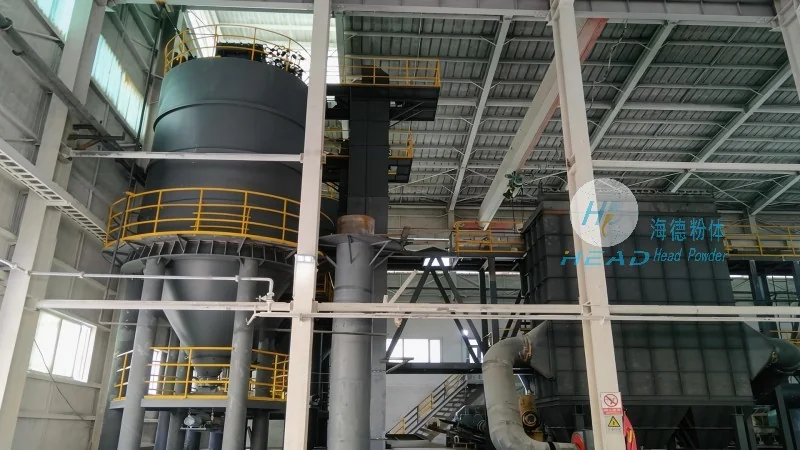
Company Overview: Shandong HeadPowder Engineering Co., Ltd.
HeadPowder, operating from its headquarters in Shandong, China, is a reputable engineering firm dedicated to providing customized material handling solutions. With a focus on precision and innovation, the company has established itself as a key player in the field of pneumatic conveying technology, particularly for high-value materials like lithium-ion battery anode powders. Their expertise lies in designing systems that meet stringent industry standards for efficiency, safety, and environmental compliance.
Understanding Pneumatic Conveying Systems
Pneumatic conveying systems utilize air or other gases to transport bulk materials, such as powders and granules, through a network of pipes. For lithium-ion battery anode materials, these systems are essential due to the materials' sensitivity to moisture, contamination, and the need for controlled flow rates to prevent agglomeration or degradation. The core components of a typical pneumatic conveying system include a material feed hopper, a conveying line, a control valve, and a discharge outlet. Each component plays a vital role in the overall operation, ensuring smooth and uninterrupted material transport.
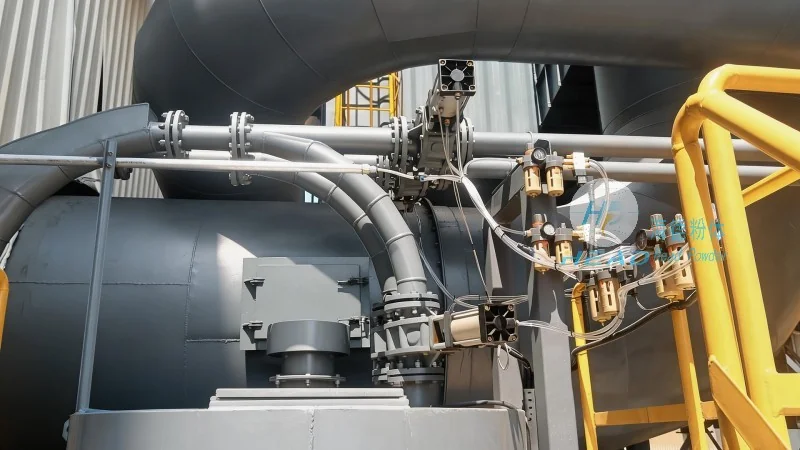
Operation Process of the Pneumatic Conveying System
The operation of a pneumatic conveying system for lithium-ion battery anode materials involves several sequential steps. Initially, the anode material is fed into the system from a storage hopper or silo. The material is then introduced into the conveying line through a feeder mechanism, which controls the flow rate to maintain consistent pressure and velocity within the system. Compressed air or gas is introduced at the inlet of the conveying line, creating a flow that propels the material through the pipe network. The system is designed to handle varying material characteristics, such as particle size, density, and moisture content, by adjusting the air pressure and flow rate accordingly. The material is transported to the discharge point, where it is collected in a receiving container or directly into the next processing stage. The entire process is monitored and controlled by a system of sensors and valves, ensuring optimal performance and preventing issues like blockages or over-pressurization.
Working Principles of the System
The working principle of a pneumatic conveying system for lithium-ion battery anode materials is based on the fundamental concept of fluidization and drag. When air is introduced into the conveying line at a sufficient velocity, it creates a fluidized state within the material, allowing it to be carried along with the gas stream. The drag force exerted by the air on the particles overcomes the gravitational force, enabling the material to move through the system. The system's design, including the pipe diameter, length, and bends, is carefully engineered to minimize pressure losses and maintain the required air velocity for effective material transport. Additionally, the system incorporates features like cyclone separators or filters to separate the material from the air stream at the discharge point, ensuring that the material is collected without contamination and the air is properly vented or recycled.
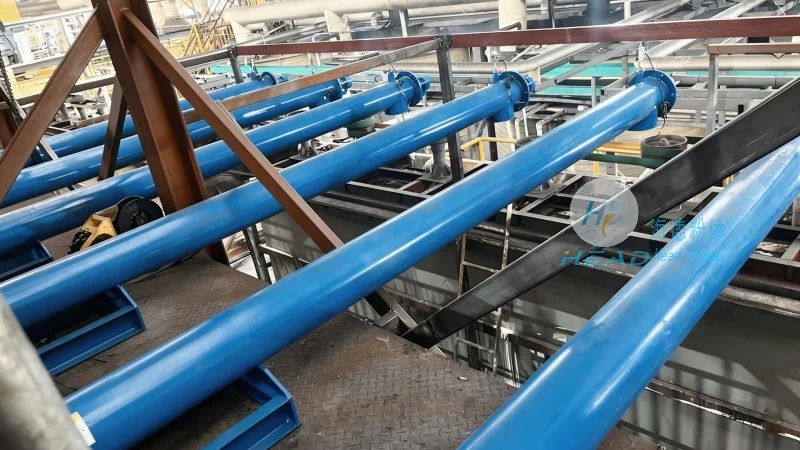
Key Features and Benefits
HeadPowder's pneumatic conveying systems for lithium-ion battery anode materials offer several key features that enhance operational efficiency and product quality. These include: (1) Precise control of material flow rates, which is crucial for maintaining consistent battery performance; (2) Minimal material degradation due to gentle handling and low shear forces; (3) Reduced risk of contamination through sealed system designs and air filtration; (4) Energy efficiency through optimized air pressure and flow management; and (5) Scalability to accommodate varying production volumes and system sizes. These features make the system ideal for both small-scale research and large-scale industrial applications in the lithium battery manufacturing sector.
Application in Lithium-Ion Battery Production
The pneumatic conveying system is integral to the production workflow of lithium-ion batteries, particularly in the processing of anode materials. The system facilitates the seamless transfer of anode powders from storage to mixing, coating, and cell assembly stages. By ensuring consistent and reliable material supply, the system contributes to higher production throughput and lower downtime. Moreover, the system's ability to handle fine powders without agglomeration or loss of material integrity is critical for maintaining the quality of the final battery cells. HeadPowder's systems are tailored to meet the specific requirements of each client, ensuring that the material handling process aligns with their production goals and quality standards.