

Operation Process and Working Principle of White Clay Powder Pneumatic Conveying Equipment
White clay powder, a crucial raw material in various industrial processes, requires efficient and reliable transportation systems to ensure smooth production workflows. Pneumatic conveying equipment has emerged as a leading solution for handling white clay powder, offering advantages such as dust-free operation, minimal product contamination, and flexible system design. This article delves into the operation process and working principle of such equipment, highlighting its key components, operational stages, and practical applications.
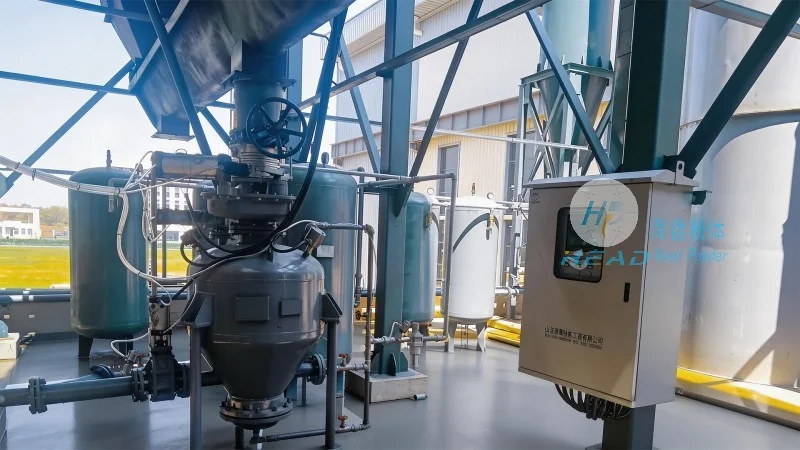
About Shandong HeadPowder Engineering Co., Ltd.
Headpowder, a prominent manufacturer in the field of powder handling technology, specializes in designing and manufacturing advanced pneumatic conveying systems tailored to the needs of diverse industries. With a strong commitment to quality and innovation, the company has established itself as a trusted partner for businesses dealing with white clay powder and other fine powders. Headpowder's expertise lies in developing customized solutions that enhance productivity, reduce operational costs, and ensure compliance with industry standards. The company's facilities are located in Shandong, China, where it leverages local resources and expertise to deliver high-performance equipment to global markets.
Key Components of Pneumatic Conveying Systems for White Clay Powder
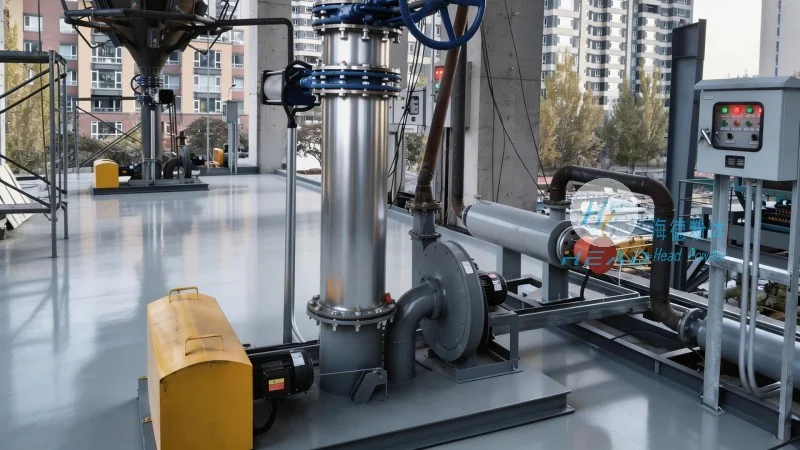
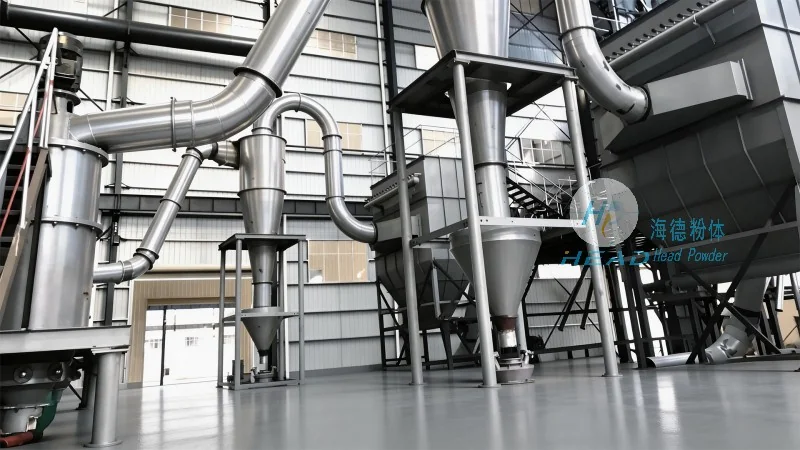
The pneumatic conveying system for white clay powder typically consists of several critical components that work in harmony to achieve efficient material transport. These components include a material hopper for storage, a feeder to control the flow rate, a conveying line (usually made of stainless steel or other corrosion-resistant materials to prevent contamination), a pressure vessel or receiver for collecting the conveyed material, and a control system to regulate the operation. Additionally, accessories like filters, cyclones, and dust collectors may be integrated to ensure clean and safe operation, especially when dealing with fine powders that are prone to dust generation.
Operation Process of White Clay Powder Pneumatic Conveying Equipment
The operation of a white clay powder pneumatic conveying system follows a systematic process that ensures consistent and reliable material transport. The process begins with the loading of white clay powder into the material hopper. The feeder then regulates the flow of powder into the conveying line, maintaining a steady feed rate to prevent blockages or uneven flow. As the powder enters the conveying line, it is carried by a stream of compressed air, which propels the material through the system. The compressed air is generated by a blower or compressor, which provides the necessary pressure to move the powder particles. The conveying line may include bends, expansions, or other components to direct the flow and maintain the pressure gradient required for efficient transport. Upon reaching the receiver or destination point, the compressed air is separated from the powder, often through a cyclone or filter system, and the white clay powder is collected in the designated container. The control system monitors key parameters such as pressure, flow rate, and temperature to ensure optimal operation and prevent system failures.
Working Principle of Pneumatic Conveying for White Clay Powder
The working principle of pneumatic conveying for white clay powder is based on the fundamental concept of transporting solid particles using a gas stream. There are two primary types of pneumatic conveying systems: pressure and vacuum. In a pressure system, compressed air is introduced into the conveying line from the discharge end, pushing the powder forward. The pressure differential between the hopper and the receiver creates the driving force for material transport. In a vacuum system, a vacuum is created at the receiver end, drawing the powder from the hopper through the conveying line. For white clay powder, a pressure system is often preferred due to its ability to handle higher material loads and maintain consistent flow rates. The key to efficient operation lies in maintaining the correct air-to-solid ratio, which balances the need for sufficient air to carry the powder without excessive energy consumption. Proper design of the conveying line, including diameter, length, and bends, is crucial to minimize pressure losses and ensure smooth material transport.
Advantages of Using Pneumatic Conveying for White Clay Powder
Implementing pneumatic conveying equipment for white clay powder offers numerous advantages that enhance operational efficiency and product quality. One of the primary benefits is the ability to achieve dust-free and clean operation, which is critical for maintaining product purity and preventing contamination in downstream processes. Unlike traditional mechanical conveying methods, pneumatic systems do not involve physical contact with the material, reducing the risk of particle degradation or mixing with other substances. Additionally, pneumatic conveying allows for flexible system design, enabling the integration of multiple hoppers, receivers, and processing units in a single system. This flexibility is particularly valuable for industries with varying production demands or complex material handling requirements. Furthermore, pneumatic systems can be easily automated and integrated with other production equipment, improving overall process control and reducing labor costs. The energy efficiency of modern pneumatic conveying systems, especially when optimized for air-to-solid ratios, also contributes to lower operational costs and reduced environmental impact.
Applications and Industries Utilizing White Clay Powder Pneumatic Conveying
The versatility of white clay powder makes it a key component in various industries, and pneumatic conveying equipment is widely used to handle it in these sectors. In the ceramics industry, white clay is a primary raw material for producing porcelain, pottery, and other ceramic products. Pneumatic conveying systems ensure that the clay is transported to the mixing and molding processes without contamination, maintaining the quality of the final products. In the paper industry, white clay is used as a filler and coating material to improve paper strength and surface quality. Pneumatic systems efficiently convey the clay to the paper manufacturing lines, ensuring consistent material supply. The pharmaceutical and food industries also utilize white clay powder for various applications, such as a filler in tablets or a coating in food products. Pneumatic conveying provides a hygienic and controlled method for handling these materials, meeting stringent quality and safety standards. Additionally, in the chemical and mineral processing industries, white clay is used as a raw material for producing various chemicals and pigments. Pneumatic systems enable efficient transport of the clay from storage to processing units, optimizing production workflows.
Conclusion and Future Outlook
White clay powder pneumatic conveying equipment plays a vital role in modern industrial operations, offering efficient, reliable, and clean methods for handling fine powders. With advancements in technology, such as improved control systems, corrosion-resistant materials, and energy-efficient designs, the performance and versatility of these systems continue to evolve. Companies like Shandong HeadPowder Engineering Co., Ltd. are at the forefront of developing innovative solutions that meet the growing demands of industries relying on white clay powder. By understanding the operation process and working principle of pneumatic conveying systems, businesses can optimize their material handling processes, enhance productivity, and ensure product quality. As the demand for efficient and sustainable powder handling solutions increases, the role of pneumatic conveying equipment in the white clay powder industry will remain significant, driving further innovation and growth in the field.