

Operation Process and Working Principle of Corn Starch Material Pneumatic Conveying System
Pneumatic conveying systems are essential for the efficient and safe transportation of corn starch materials in industrial settings. These systems utilize air or gas to move bulk materials like corn starch from one location to another, offering a reliable alternative to traditional mechanical conveying methods. For companies dealing with corn starch, selecting the right pneumatic conveying system is crucial for maintaining production efficiency, ensuring product quality, and minimizing operational costs. This article provides a detailed overview of the operation process and working principle of a corn starch material pneumatic conveying system, highlighting the key aspects that make it an effective solution for modern processing facilities.
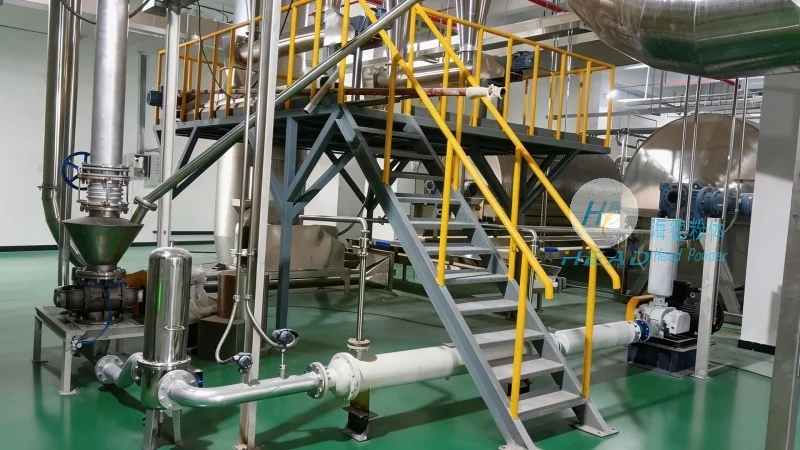
Company Overview: Shandong HeadPowder Engineering Co., Ltd.
At the heart of advanced corn starch material handling solutions is Shandong HeadPowder Engineering Co., Ltd., a leading manufacturer and supplier in the field. HeadPowder specializes in designing, manufacturing, and installing customized pneumatic conveying systems tailored to the specific needs of corn starch processing industries. With a strong commitment to quality and innovation, the company has established itself as a trusted partner for businesses seeking efficient and reliable material handling solutions. HeadPowder's headquarters is located in Shandong, China, where the company leverages its expertise and state-of-the-art technology to deliver high-performance pneumatic conveying systems that meet international standards.
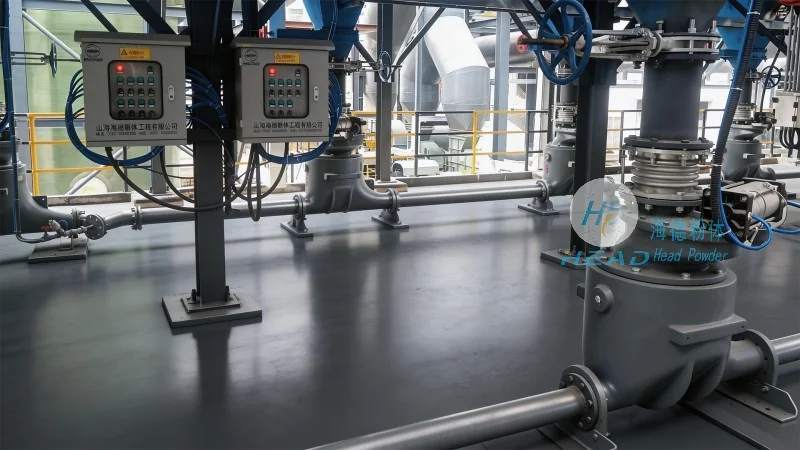
Key Components and Operation Process
A typical corn starch material pneumatic conveying system consists of several critical components, each playing a vital role in the overall operation. The main components include a material hopper, a conveyor line, a dust collector, and a control system. The operation process begins with the corn starch being fed into the material hopper. From there, the material is drawn into the conveyor line by a vacuum or pressure source, depending on the system design. The conveyor line transports the corn starch through the system, while the dust collector ensures that any airborne particles are captured and filtered, maintaining a clean and safe working environment. The control system monitors and regulates the flow of material, ensuring consistent performance and preventing system failures.
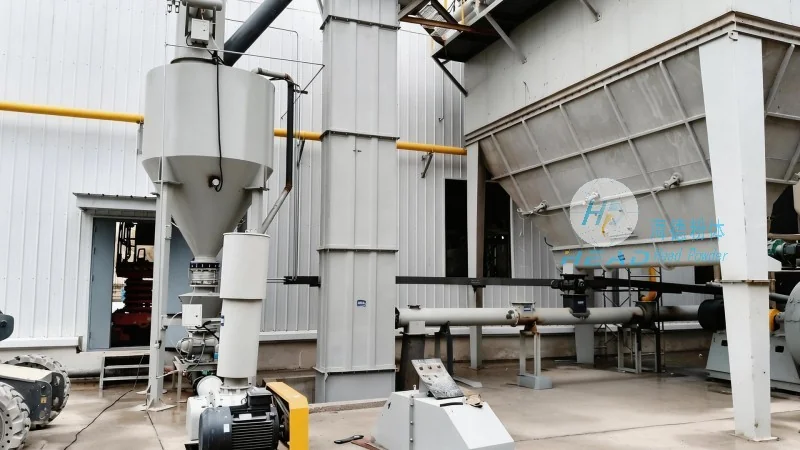
Working Principle of the System
The working principle of a corn starch material pneumatic conveying system is based on the principles of fluid dynamics and air movement. In a vacuum system, a fan or blower creates a negative pressure within the conveyor line, drawing the corn starch particles into the system. The air and material mixture then travels through the pipeline to the destination point, where the material is separated from the air using a cyclone or other separation equipment. In a pressure system, the opposite occurs: a positive pressure is applied to the system, pushing the corn starch material through the conveyor line. Both systems rely on the proper design of the pipeline, the selection of appropriate air velocities, and the use of suitable materials to ensure efficient and reliable operation. The key to the system's effectiveness lies in the balance between air flow and material flow, which must be carefully optimized to prevent blockages and ensure consistent material transport.
Advantages of the System in Corn Starch Handling
Implementing a pneumatic conveying system for corn starch handling offers numerous advantages over traditional methods. One of the primary benefits is the ability to handle fine and dusty materials without the risk of clogging or contamination. Unlike mechanical conveyors, which can easily become blocked by fine particles, pneumatic systems use air to transport the material, reducing the likelihood of system downtime. Additionally, pneumatic conveying systems are more hygienic and easier to clean, making them ideal for food processing applications where product quality and safety are paramount. The systems also offer flexibility in terms of layout, as they can be installed in various configurations to suit the specific needs of a facility. Furthermore, by reducing manual handling and improving material flow, pneumatic systems contribute to increased productivity and lower operational costs over time.
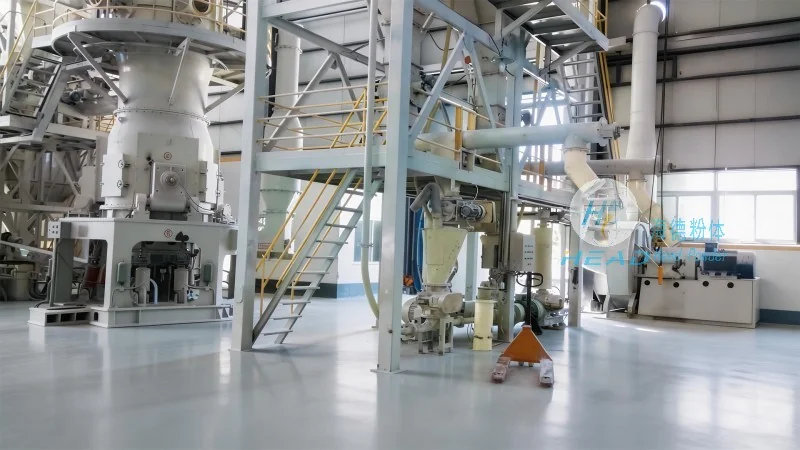
Application Scenarios and Practical Implementation
Corn starch material pneumatic conveying systems are widely used in various applications within the corn starch processing industry. These include the transport of raw corn starch from storage silos to processing lines, the movement of finished products from production areas to packaging facilities, and the transfer of byproducts or waste materials for disposal. In each of these scenarios, the system's design is tailored to the specific requirements of the application, ensuring optimal performance. For example, in a large-scale corn starch production plant, a combination of vacuum and pressure systems may be used to handle different stages of the process, such as raw material intake and product distribution. Practical implementation of the system involves careful planning and installation by experienced engineers, who consider factors such as material properties, system layout, and operational requirements to ensure a successful outcome. HeadPowder's expertise in system design and installation ensures that clients receive a customized solution that meets their specific needs and delivers long-term benefits.