

Operation Process and Working Principle of Resin Powder Material Pneumatic Conveying System
Shandong HeadPowder Engineering Co., Ltd. specializes in the design, manufacturing, and implementation of advanced pneumatic conveying systems tailored for resin powder materials. These systems are engineered to efficiently transport resin powders from storage silos or processing units to various destinations within a manufacturing facility, ensuring a seamless and reliable material handling process. The operation of such systems is critical for maintaining production efficiency and product quality in industries that rely on resin powders, such as plastics, coatings, and composites.
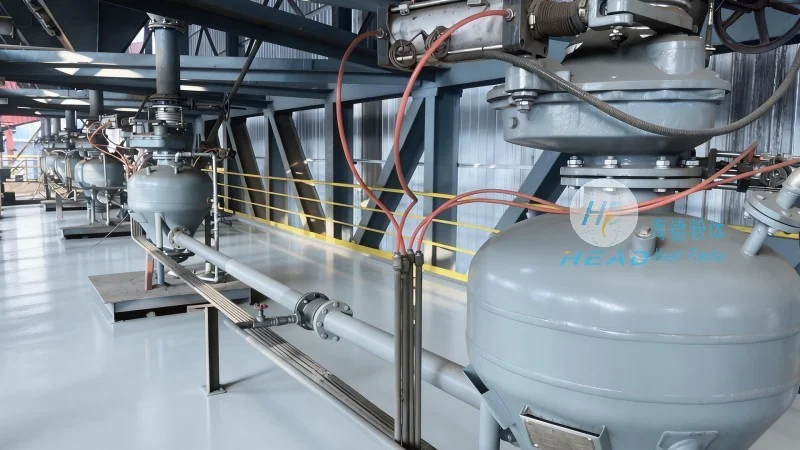
Key Components of a Resin Powder Pneumatic Conveying System
The core components of a resin powder pneumatic conveying system include the hopper or storage silo, the conveying line (typically made of stainless steel or other corrosion-resistant materials), the air compressor or blower, and the control system. The hopper is designed to hold the resin powder and provide a consistent feed to the system. The conveying line transports the powder through the system using a combination of air pressure and vacuum, depending on the specific application. The air compressor generates the necessary airflow to move the powder, while the control system monitors and regulates the pressure, flow rate, and other parameters to ensure optimal performance.
Operation Process of the Resin Powder Pneumatic Conveying System
The operation process of a resin powder pneumatic conveying system typically involves several stages. First, the resin powder is fed from the storage hopper into the conveying line. The air compressor then introduces high-pressure air into the line, creating a flow that propels the powder particles through the system. As the powder travels, it may encounter various components such as bends, filters, or separation devices that help maintain the integrity of the material and prevent blockages. The system is designed to handle different types of resin powders, including those with varying particle sizes, moisture content, and flow characteristics. The control system continuously monitors the pressure and flow rates, adjusting the air supply as needed to maintain a stable and efficient conveying process.
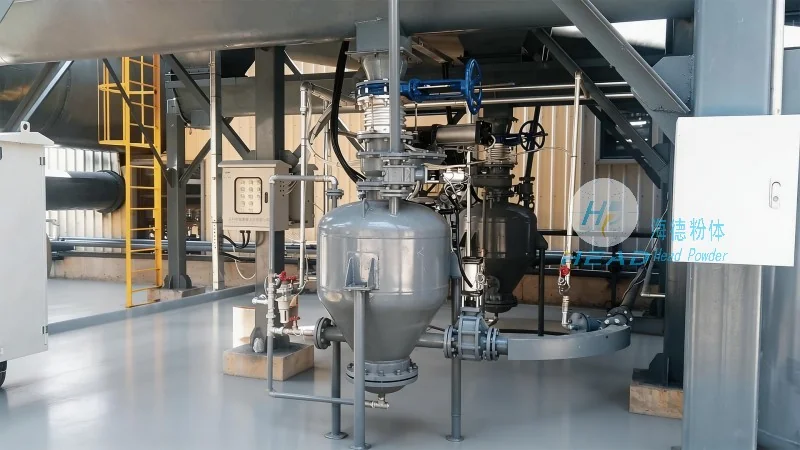
Working Principle of the Pneumatic Conveying System
The working principle of a resin powder pneumatic conveying system is based on the principles of fluid dynamics and particle transport. In a pressure system, the air compressor generates a high-pressure air stream that is directed into the conveying line. The resin powder is then introduced into the line, and the air flow carries the powder particles along the line to the destination. The pressure differential between the inlet and outlet of the system ensures that the powder moves in the desired direction. In a vacuum system, the blower creates a low-pressure environment at the outlet, drawing the powder from the hopper through the line to the receiving point. Both systems rely on the interaction between the air flow and the powder particles to achieve efficient transport. The system's design considers factors such as the powder's density, particle size distribution, and cohesive properties to optimize the conveying process and minimize issues like caking or blockages.
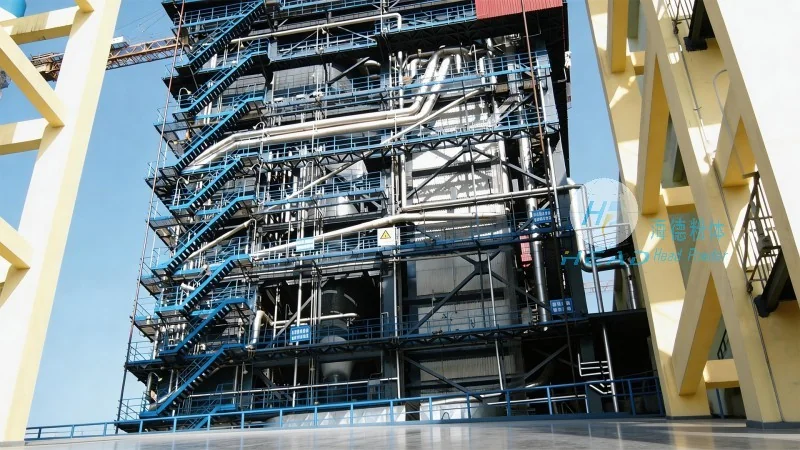
Benefits of Using a Resin Powder Pneumatic Conveying System
Implementing a pneumatic conveying system for resin powders offers several advantages over traditional mechanical conveying methods. These systems are capable of handling fine powders and preventing contamination, as the material is transported in an enclosed environment. This reduces the risk of dust exposure and product degradation. Additionally, pneumatic conveying systems can handle varying flow rates and material properties, making them versatile for different production needs. The enclosed design also helps maintain a clean and safe working environment, which is crucial in industries where resin powders are used. Furthermore, these systems can be integrated with other processing equipment, such as mixers or extruders, to streamline the production process and improve overall efficiency.
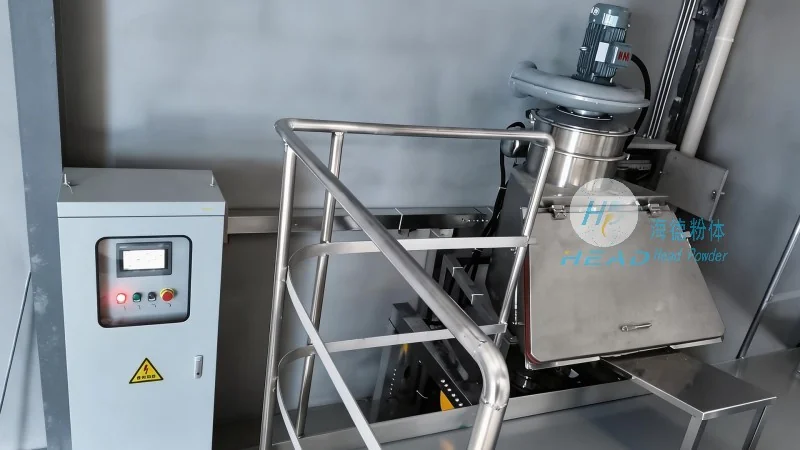
Customization and Application Considerations
Shandong HeadPowder Engineering Co., Ltd. provides customized pneumatic conveying solutions tailored to the specific requirements of each client. The company considers factors such as the type of resin powder, production volume, and facility layout when designing a system. For example, systems for high-volume production may require larger air compressors and more robust conveying lines, while systems for smaller-scale operations may use smaller, more compact components. The company also takes into account the environmental conditions and safety regulations of the client's location, ensuring that the system complies with all relevant standards. Customization may include features such as dust collection systems, material separation devices, or integration with existing equipment to maximize the system's efficiency and effectiveness.
Conclusion
Resin powder pneumatic conveying systems are essential for efficient and reliable material handling in industries that rely on resin powders. Shandong HeadPowder Engineering Co., Ltd. offers advanced, customized solutions that meet the specific needs of clients, ensuring optimal performance and product quality. By understanding the operation process and working principles of these systems, manufacturers can enhance their production processes and maintain a competitive edge in the market. The company's expertise in designing and implementing such systems ensures that clients receive a reliable and efficient solution for their resin powder handling needs.