

Operation Process and Working Principle of Straw Ash Material Pneumatic Conveying System
Straw ash material pneumatic conveying systems are essential equipment in industrial processes that handle fine or bulk materials, particularly in applications involving agricultural waste processing and ash management. The system designed by Shandong HeadPowder Engineering Co., Ltd. (referred to as HeadPowder) offers an efficient and reliable solution for transporting straw ash and similar materials over long distances or within complex processing facilities. This article outlines the operation process and working principle of such a system, emphasizing the technical aspects and practical applications.
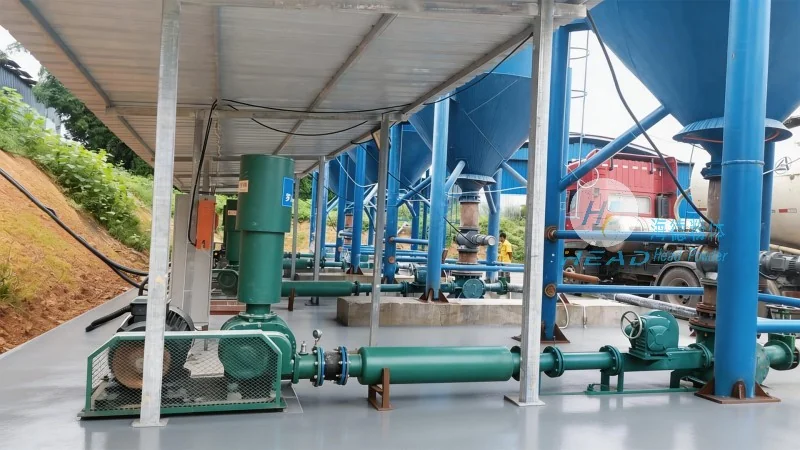
Key Components of the Pneumatic Conveying System
The straw ash material pneumatic conveying system comprises several critical components that work in tandem to ensure smooth material transport. These include a material feed hopper, a rotary valve or feeder, a conveying pipeline, a pressure vessel or receiver, and a dust collector or filter system. The feed hopper is responsible for storing and regulating the flow of straw ash into the system. The rotary valve or feeder controls the quantity of material released into the pipeline, preventing overloading and maintaining consistent flow rates. The conveying pipeline, typically made of stainless steel or other corrosion-resistant materials, transports the material under pressure. The pressure vessel or receiver collects the conveyed material and may include a silo or storage tank for further processing. The dust collector or filter system ensures that airborne particles are captured and removed, maintaining air quality and compliance with environmental regulations.
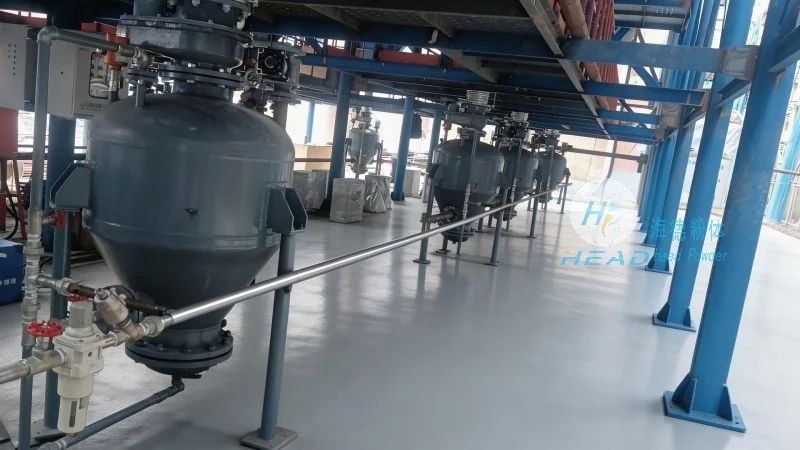
Working Principle of the Pneumatic Conveying System
The core of the pneumatic conveying system is the use of air or gas to create a flow that transports the straw ash material. The system operates on the principle of creating a pressure differential between the material feed point and the discharge point. There are two main types of pneumatic conveying systems: pressure and vacuum systems. In a pressure system, air is compressed and introduced into the pipeline at the discharge end, pushing the material forward. The pressure vessel or receiver maintains a higher pressure than the ambient air, ensuring the material is propelled through the pipeline. In a vacuum system, a vacuum pump creates a low-pressure environment at the discharge end, drawing the material into the pipeline and moving it towards the receiver. The system's efficiency depends on the pressure differential, air velocity, and material characteristics such as particle size, density, and moisture content.
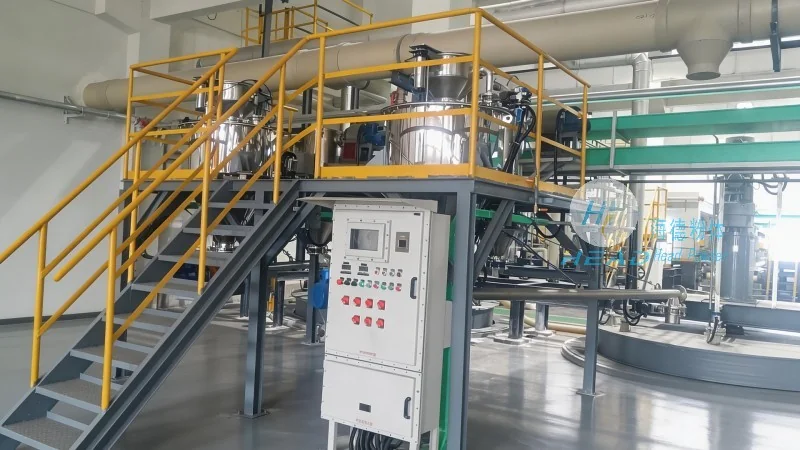
Operation Process of the Straw Ash Material Pneumatic Conveying System
The operation process of the straw ash material pneumatic conveying system involves several sequential steps. First, the straw ash is fed into the material hopper from the source, such as a storage silo or processing unit. The rotary valve or feeder then regulates the flow of material into the conveying pipeline. Simultaneously, the air compressor or vacuum pump is activated to generate the necessary pressure or vacuum. The air is introduced into the pipeline at the discharge end, creating a high-velocity flow that entrains the straw ash particles. The material is carried through the pipeline by the air stream, with the pressure vessel or receiver collecting the material at the receiving end. The system continuously operates as long as the material feed is maintained and the air supply is sufficient. The dust collector or filter system is active throughout the process, capturing any airborne particles and preventing contamination of the surrounding environment. The entire process is automated, with sensors and controls monitoring the flow rate, pressure, and material level to ensure optimal performance and safety.
Advantages of the Straw Ash Material Pneumatic Conveying System
Implementing a straw ash material pneumatic conveying system offers several advantages over traditional mechanical conveying methods. One of the primary benefits is the ability to transport materials over long distances without the need for multiple transfer points or intermediate storage. This reduces the overall system complexity and operational costs. The system is also highly flexible, allowing for changes in material flow direction or destination without significant modifications. Additionally, pneumatic conveying systems are less prone to material degradation or contamination compared to mechanical systems, as the material is not in direct contact with metal surfaces or exposed to the environment. The system's compact design and minimal maintenance requirements further contribute to its efficiency and cost-effectiveness. For industries dealing with straw ash and similar fine materials, the system provides a reliable and sustainable solution for material handling and processing.
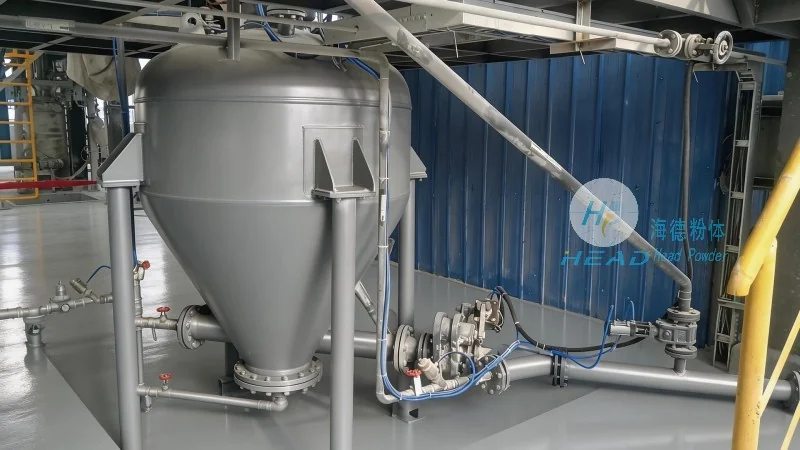
Applications and Industries
The straw ash material pneumatic conveying system is widely used in various industries that generate or process straw ash. These include agricultural processing facilities, where straw is converted into ash for use in fertilizer production or energy generation. The system is also applicable in biomass power plants, where straw ash is transported from combustion units to storage or disposal areas. Additionally, in waste management and recycling industries, the system can handle ash from biomass combustion or other organic waste processing. The versatility of the system makes it suitable for a range of applications, from small-scale agricultural operations to large-scale industrial facilities.