

Operation Process and Working Principle of Pneumatic Conveying Equipment for Sand Material
HeadPowder, a leading manufacturer based in Shandong, China, specializes in the design and production of advanced pneumatic conveying systems tailored for sand material handling. This equipment is engineered to efficiently transport sand and similar bulk materials through a pressurized or vacuum system, offering a reliable solution for various industrial applications. The following sections will delve into the operational process and underlying principles of such systems, providing a comprehensive understanding of their functionality and benefits.
Key Components of Pneumatic Conveying Systems
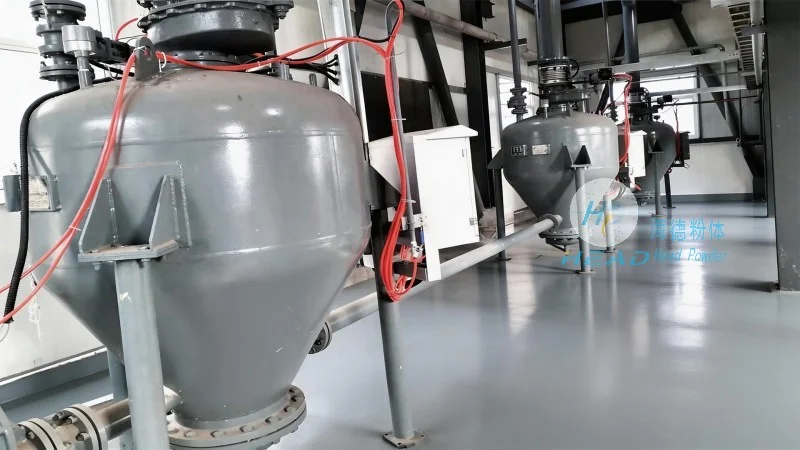
The core components of a pneumatic conveying system for sand material include the hopper, feeder, air compressor, conveying line, and receiver. The hopper serves as the storage container, holding the sand until it is ready for transport. The feeder, typically a rotary valve or screw feeder, regulates the flow of sand from the hopper into the conveying line. The air compressor generates the necessary pressure or vacuum to move the material through the system. The conveying line, often made of metal or flexible tubing, transports the sand and air mixture. Finally, the receiver collects the sand at the destination point, separating it from the air before discharge.
Operation Process of Sand Material Pneumatic Conveying
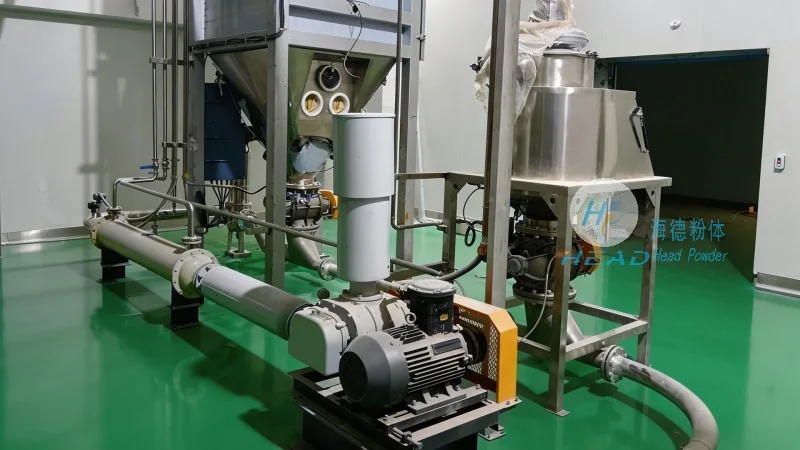
The operation process of a pneumatic conveying system for sand material involves several sequential steps. Initially, the sand is loaded into the hopper from a bulk storage or production line. The feeder then controls the discharge rate, ensuring a consistent flow into the conveying line. The air compressor supplies compressed air, which is introduced into the conveying line at a specific pressure. As the air flows through the line, it creates a flow that entrains the sand particles, forming a slurry-like mixture. This mixture travels through the conveying line to the receiver, where the sand is separated from the air by a cyclone or filtration system. The separated sand is then collected in the receiver, ready for further processing or use. The air, now free of sand particles, is either vented to the atmosphere or recirculated back to the compressor, depending on the system design.
Working Principle of Pneumatic Conveying for Sand
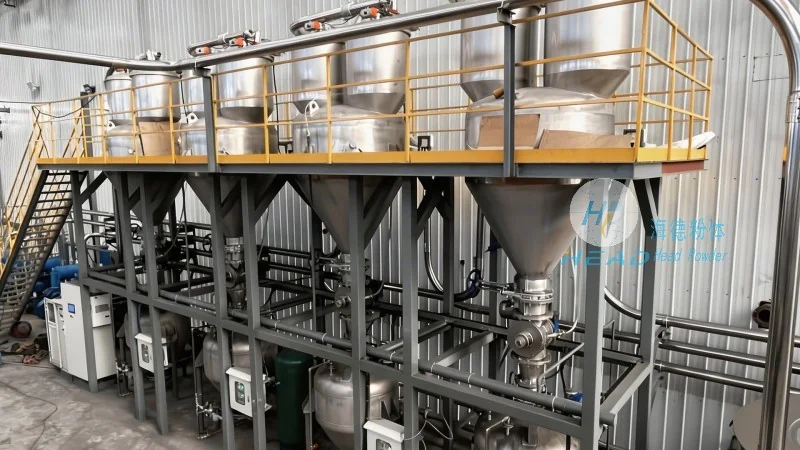
The working principle of pneumatic conveying equipment for sand material is based on the fundamental concept of fluidization and particle transport. In a pressurized system, compressed air is introduced into the conveying line, creating a high-pressure environment that lifts and transports the sand particles. The air velocity within the line must be sufficient to overcome the gravitational force acting on the sand particles and any frictional losses in the system. This ensures that the sand remains suspended in the air stream, preventing blockages and ensuring smooth transport. In a vacuum system, the air is drawn from the receiver, creating a negative pressure that pulls the sand from the hopper into the conveying line. Both systems rely on the interaction between the air flow and the sand particles to achieve efficient material transport.
Advantages of Pneumatic Conveying for Sand Handling
Pneumatic conveying equipment for sand material offers several advantages over traditional mechanical conveying methods. Firstly, it eliminates the need for moving parts in the conveying line, reducing maintenance requirements and minimizing the risk of mechanical failure. Secondly, it provides a dust-free and enclosed transport process, which is crucial for maintaining product quality and ensuring a safe working environment. Thirdly, the system can handle a wide range of sand types and particle sizes, making it versatile for various industrial applications. Additionally, pneumatic conveying systems can be designed to operate in both horizontal and vertical orientations, allowing for flexible layout configurations in industrial facilities.
Applications and Industries Using Sand Pneumatic Conveying Systems
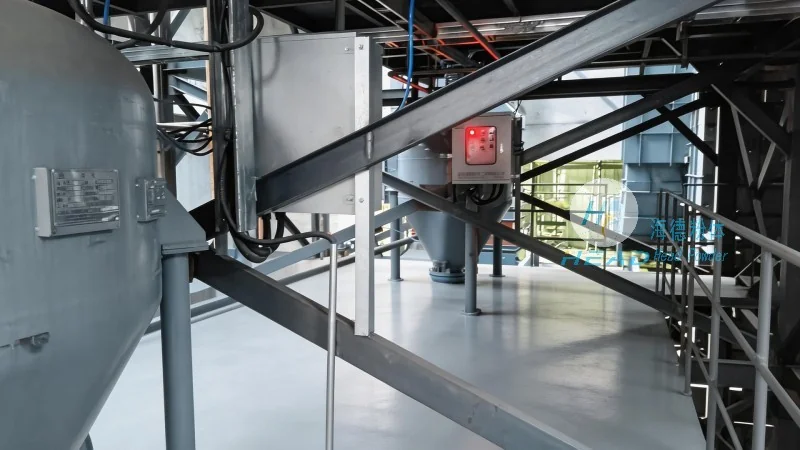
The pneumatic conveying equipment for sand material is widely used in various industries, including construction, mining, and manufacturing. In the construction industry, it is used to transport sand from storage silos to concrete mixing plants or construction sites. In the mining sector, it helps in the transport of sand from mining sites to processing facilities or storage areas. The manufacturing industry also utilizes these systems for transporting sand in the production of glass, ceramics, and other materials. The versatility and efficiency of the system make it an ideal choice for industries that require reliable and continuous sand handling solutions.