

Operation Process and Working Principle of Pneumatic Conveying Equipment for Pharmaceutical Material
HeadPowder, or Shandong HeadPowder Engineering Co., Ltd., is a leading engineering company based in Shandong, China, specializing in the design and manufacturing of pneumatic conveying equipment for the pharmaceutical industry. This equipment is crucial for efficiently and safely transporting bulk materials such as powders, granules, and other pharmaceutical ingredients within manufacturing facilities. The following sections will detail the operation process and working principles of these systems, highlighting their importance in maintaining compliance with industry standards and ensuring product integrity.
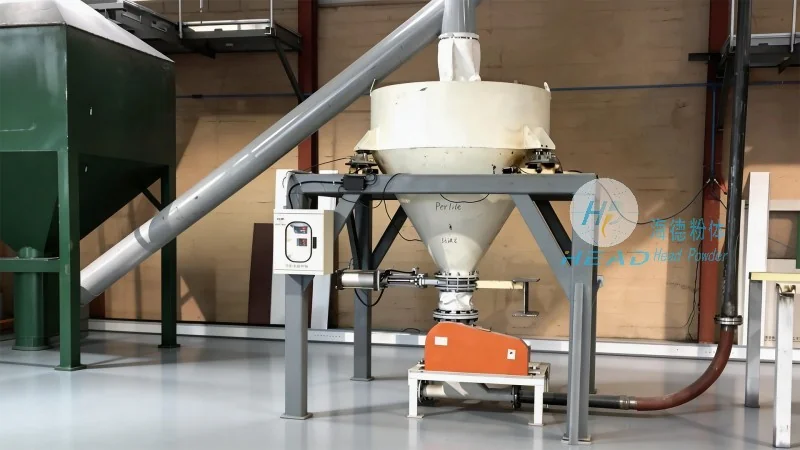
Key Components of Pneumatic Conveying Equipment
The core components of a pneumatic conveying system for pharmaceutical materials typically include a hopper for material storage, a feeder to control the flow rate, a conveying line (often equipped with filters and pressure vessels), and a receiver for the discharged material. Each component plays a critical role in the overall functionality and efficiency of the system. The hopper ensures a consistent supply of material, while the feeder regulates the flow to match production demands. The conveying line, which may use positive or negative pressure, transports the material through the system, and the receiver collects the final product. These components are designed with precision to meet the stringent requirements of the pharmaceutical sector, including contamination control and material purity.
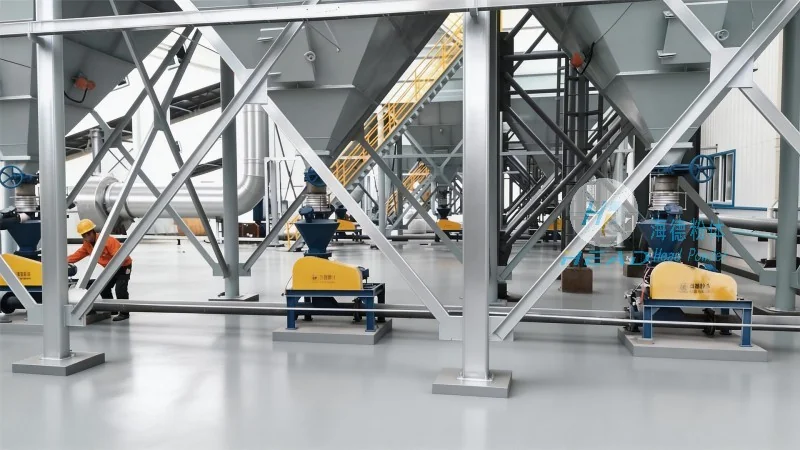
Operation Process of Pneumatic Conveying Equipment
The operation process of pneumatic conveying equipment for pharmaceutical materials involves several key steps that ensure smooth and efficient material handling. Initially, the material is loaded into the hopper from a bulk storage or processing area. The feeder then controls the discharge rate, feeding the material into the conveying line at a controlled pace. Simultaneously, the conveying line is pressurized (either by a positive pressure blower or a vacuum pump) to create the necessary airflow. This airflow propels the material through the system, transporting it from the feeder to the receiver. The receiver collects the material, which is then ready for further processing or packaging. Throughout this process, the system maintains a controlled environment to prevent contamination and ensure the material remains in its original state. The operation is typically automated, with sensors and controls monitoring parameters such as pressure, flow rate, and material level to maintain optimal performance.
Working Principle of Pneumatic Conveying Equipment
The working principle of pneumatic conveying equipment relies on the movement of air to transport solid materials. There are two primary methods: positive pressure and negative pressure systems. In positive pressure systems, a blower or compressor generates high-pressure air that pushes the material through the conveying line. The material is suspended in the air stream and transported to the receiver. In negative pressure systems, a vacuum pump creates a low-pressure environment, drawing the material into the conveying line and moving it to the receiver. Both methods are widely used in the pharmaceutical industry, with the choice depending on factors such as material properties, system layout, and operational requirements. The equipment is designed to handle a wide range of materials, from fine powders to coarse granules, while maintaining high levels of efficiency and reliability. The working principle also incorporates features such as filtration and separation to ensure that only the intended material is conveyed, preventing contamination and maintaining product quality.
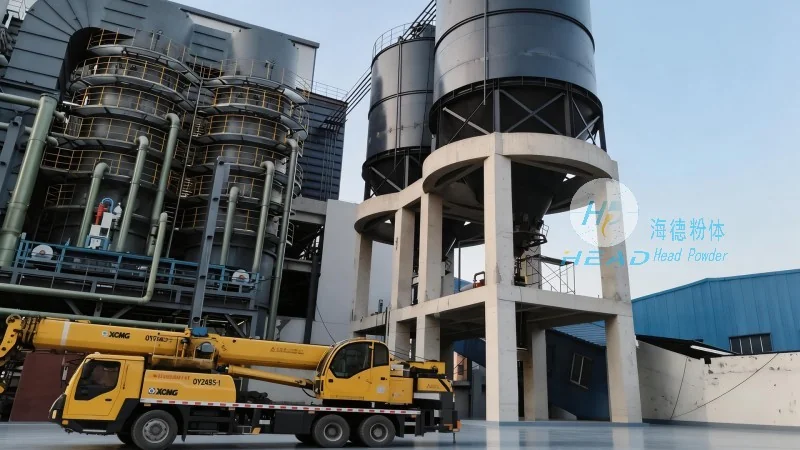
Benefits and Applications in Pharmaceutical Manufacturing
Pneumatic conveying equipment offers numerous benefits for pharmaceutical manufacturing, making it a preferred choice for material handling in the industry. These benefits include improved safety by eliminating manual handling of bulk materials, enhanced product integrity through controlled environments, and increased efficiency by automating the material transport process. The equipment is particularly useful in applications such as transporting raw materials to production lines, moving finished products to packaging areas, and handling waste materials. It is also suitable for use in cleanroom environments, where maintaining a sterile and contamination-free workspace is critical. The systems are designed to be flexible, allowing for integration with existing manufacturing processes and easy adaptation to changing production needs. Overall, pneumatic conveying equipment plays a vital role in ensuring the smooth operation of pharmaceutical manufacturing facilities, supporting the production of high-quality medications while adhering to regulatory standards.