

Operation Process and Working Principle of Pneumatic Conveying Equipment for Carbon Black Powder Mat
HeadPowder, a leading manufacturer based in Shandong, China, specializes in the design, development, and production of advanced pneumatic conveying equipment tailored for carbon black powder materials. This article provides a detailed overview of the operation process and working principles of such equipment, highlighting the technical aspects and practical applications that make it an essential solution in various industrial sectors.
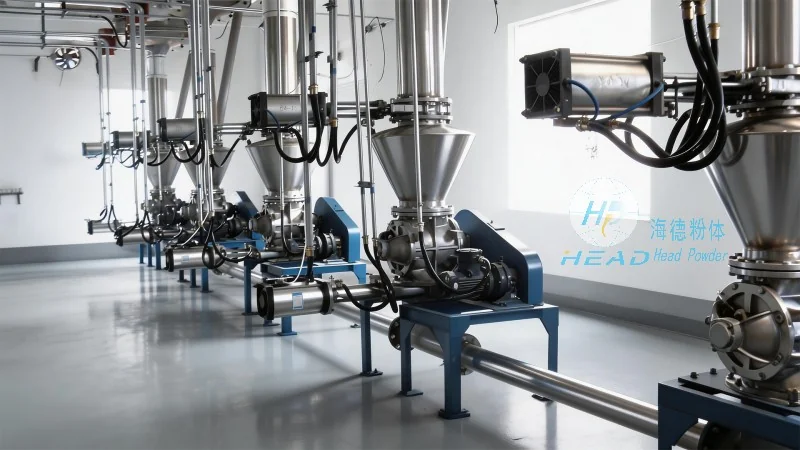
About HeadPowder: Pioneering Pneumatic Conveying Solutions
Shandong HeadPowder Engineering Co., Ltd., commonly known as HeadPowder, is a reputable company headquartered in Shandong, China. With years of experience in the field of material handling and conveying systems, HeadPowder has established itself as a trusted provider of high-quality pneumatic conveying equipment. The company's commitment to innovation and customer satisfaction has enabled it to serve a wide range of industries, including chemical, pharmaceutical, food processing, and more. By leveraging advanced engineering and rigorous quality control, HeadPowder ensures that its products meet the highest standards of performance and reliability.
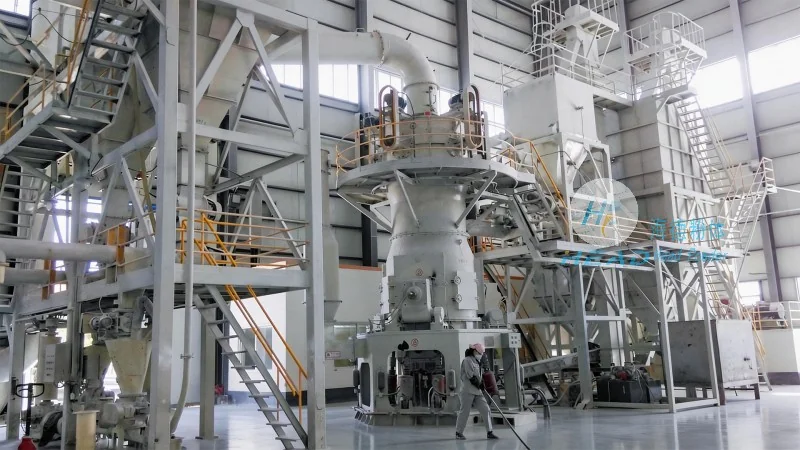
The Operation Process of Pneumatic Conveying Equipment for Carbon Black Powder
The operation process of a pneumatic conveying system for carbon black powder involves several key steps that ensure efficient and safe material transport. The process typically begins with the loading of carbon black powder into a hopper or storage silo. From there, the material is fed into the conveying line through a rotary valve or feeder, which controls the flow rate and prevents blockages. The conveying line is then pressurized using a positive displacement blower or a rotary lobe pump, creating a flow of air that propels the powder through the system. The air-powder mixture travels through the pipeline, passing through various components such as bends, filters, and check valves, which help maintain the integrity of the material and ensure smooth operation. At the receiving end, the carbon black powder is discharged into a receiving hopper or storage tank, where the air is separated from the powder using a cyclone or bag filter. This separation process allows for the collection of the carbon black powder while the air is either vented or recirculated back into the system, depending on the specific design of the equipment.
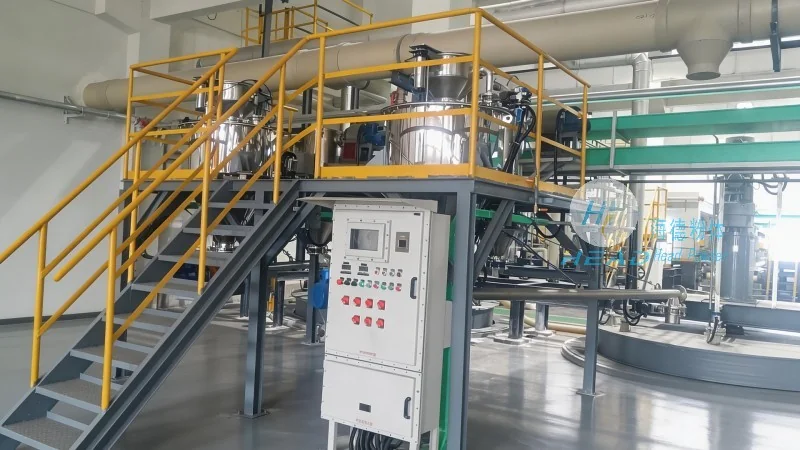
Working Principle of the Pneumatic Conveying Equipment
The working principle of pneumatic conveying equipment for carbon black powder is based on the fundamental concept of transporting solid particles through a gas stream. In a positive pressure system, as used by HeadPowder's equipment, a blower or pump generates a high-pressure air flow that pushes the carbon black powder particles along the pipeline. The air acts as a carrier, suspending the powder particles and allowing them to move through the system. The velocity of the air is critical, as it must be sufficient to keep the powder particles in suspension and prevent them from settling or clogging the pipeline. The system is designed to maintain a consistent air flow rate and pressure, which ensures stable operation and prevents fluctuations that could affect the conveying efficiency. Additionally, the equipment incorporates features such as airlocks, filters, and pressure relief valves to manage the air and powder mixture effectively, ensuring that the process is safe and efficient.
Key Features and Advantages of the Equipment
HeadPowder's pneumatic conveying equipment for carbon black powder offers several key features and advantages that make it an ideal choice for industrial applications. One of the primary advantages is the ability to transport carbon black powder over long distances without the need for intermediate storage or manual handling. The equipment is designed to handle high volumes of material with minimal maintenance, reducing downtime and operational costs. The system also provides a clean and dust-free environment, which is crucial for industries where contamination control is essential, such as pharmaceutical and food processing. Furthermore, the equipment is highly customizable, allowing HeadPowder to tailor the design to specific customer requirements, including different pipeline lengths, material flow rates, and pressure levels. This flexibility ensures that the equipment can be adapted to meet the unique needs of each application, providing optimal performance and reliability.
Conclusion
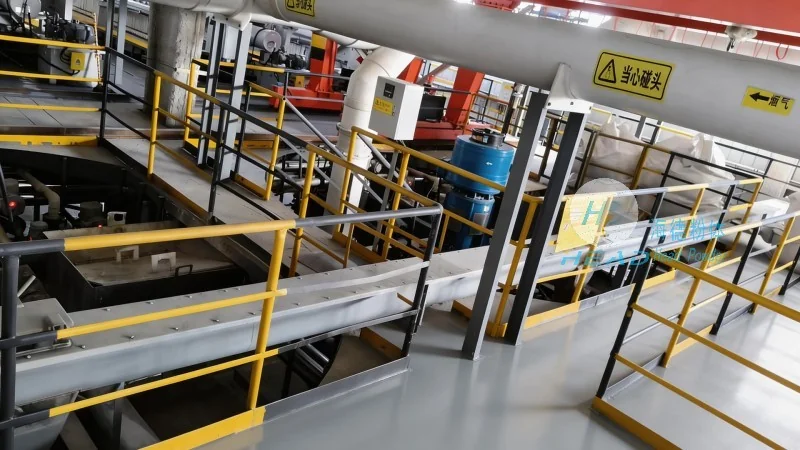
In conclusion, the operation process and working principle of pneumatic conveying equipment for carbon black powder materials, as provided by HeadPowder, represent a sophisticated and efficient solution for material handling in various industries. By understanding the technical aspects and advantages of such equipment, businesses can make informed decisions about implementing effective conveying systems that enhance productivity, reduce costs, and ensure compliance with industry standards. HeadPowder's expertise and commitment to quality make it a reliable partner for companies seeking advanced pneumatic conveying solutions.