

Operation Process and Working Principle of Kaolin Material Pneumatic Conveying Equipment
Shandong HeadPowder Engineering Co., Ltd., a leading enterprise in the field of material handling technology, specializes in the design, manufacturing, and supply of advanced pneumatic conveying systems. Among their product portfolio is the Kaolin material pneumatic conveying equipment, which is engineered to efficiently transport kaolin powder and other fine particulate materials over long distances with minimal loss and high reliability. This equipment is particularly suitable for industrial applications where precise and clean material transfer is critical, such as in the ceramics, paper, and chemical industries.
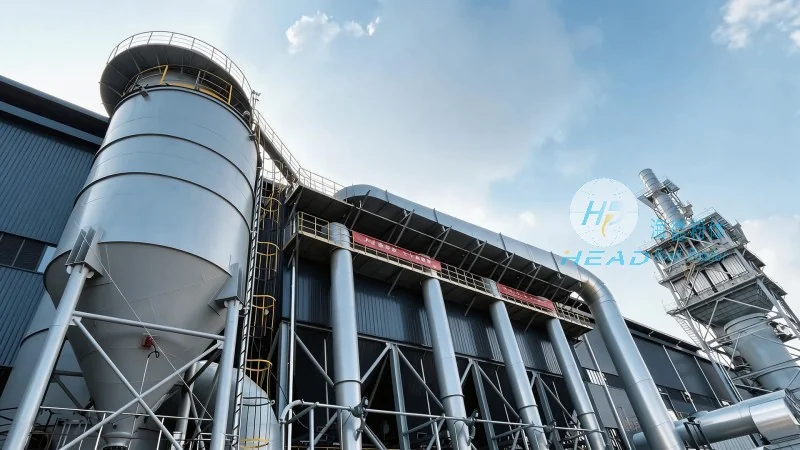
Key Features of the Pneumatic Conveying System
The Kaolin material pneumatic conveying equipment from headpowder is equipped with several key features that enhance its performance and operational efficiency. The system utilizes a positive pressure or negative pressure conveying method, depending on the specific application requirements. The positive pressure system, often referred to as a pressure system, involves blowing air into the material to push it through the pipeline, while the negative pressure system, or vacuum system, pulls the material through the pipeline using suction. The choice between these methods is determined by factors like the distance of material transport, the material's properties, and the desired level of dust control. The equipment is designed with high-quality materials that resist corrosion and wear, ensuring long-term durability and low maintenance costs. Additionally, the system incorporates advanced control mechanisms that allow for precise regulation of air flow and pressure, enabling smooth and consistent material transfer.
Operation Process of the Pneumatic Conveying Equipment
The operation process of the Kaolin material pneumatic conveying equipment involves several sequential steps that ensure efficient and safe material handling. First, the material is fed into the hopper or feeder, where it is stored and prepared for transport. The feeder then regulates the flow of kaolin powder into the conveying line, ensuring a consistent and controlled input rate. Next, the air compressor or vacuum pump generates the necessary pressure or suction to move the material through the pipeline. The material is mixed with the air stream, forming a dense or dilute phase flow, depending on the system design. The pipeline network, which may include bends, valves, and filters, guides the material to the destination point, such as a storage silo or processing unit. At the receiving end, the material is separated from the air using a separator or cyclone, and the air is either filtered and recirculated or discharged to the atmosphere. The entire process is monitored by the control system, which adjusts parameters in real-time to maintain optimal performance and prevent system failures.
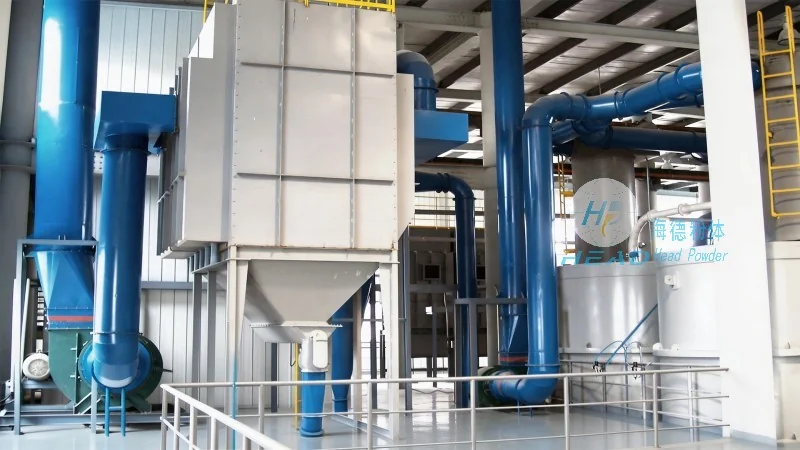
Working Principle of the Pneumatic Conveying System
The working principle of the Kaolin material pneumatic conveying equipment is based on the fundamental concept of transporting solid particles using an air stream. In a positive pressure system, the air compressor increases the pressure of the air, which is then introduced into the material hopper. The air flows through the material, creating a fluidized bed that allows the particles to be entrained and carried through the pipeline. The velocity of the air stream must be sufficient to overcome the gravitational force acting on the particles and any frictional losses in the pipeline. The system's design ensures that the air velocity remains within the appropriate range to prevent particle degradation or blockages. In a negative pressure system, the vacuum pump creates a low-pressure environment at the receiving end, which draws the material and air through the pipeline towards the source. The air flow rate is carefully controlled to maintain the desired suction level and prevent excessive energy consumption. The separator at the end of the line uses centrifugal force to separate the material from the air, with the material falling into the collection bin and the air being filtered and recirculated if necessary.
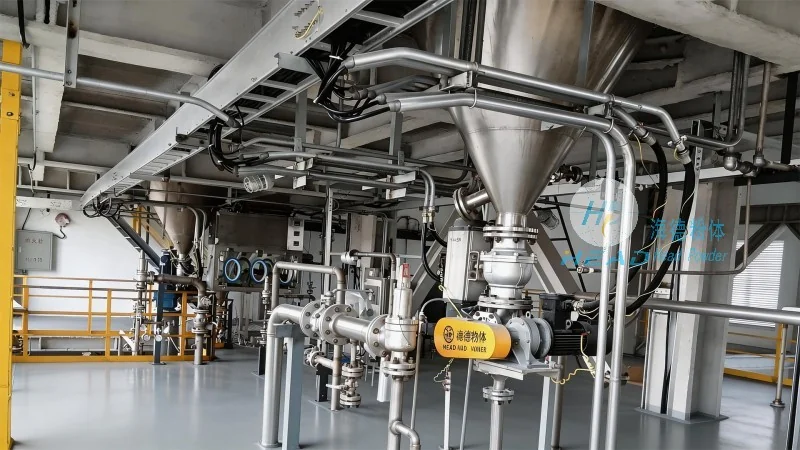
Advantages of Using Kaolin Pneumatic Conveying Equipment
Implementing the Kaolin material pneumatic conveying equipment offers several advantages over traditional mechanical conveying methods. One of the primary benefits is the ability to transport materials over long distances without the need for intermediate transfer points or elevators, which reduces installation costs and simplifies the overall system layout. The system also provides excellent dust control, as the material is contained within the pipeline and the air is filtered, minimizing environmental pollution and improving workplace safety. Additionally, the equipment allows for precise control of material flow rates, which is crucial for processes that require consistent feed rates, such as in the production of ceramics or paper. The low maintenance requirements of the system, due to the absence of moving parts in the conveying line, result in lower operational costs and increased system reliability. Furthermore, the system can be easily integrated with other industrial processes, such as blending or mixing, to form a comprehensive material handling solution.
Application Scenarios and Customization Options
The Kaolin material pneumatic conveying equipment from Shandong HeadPowder Engineering Co., Ltd. is versatile and can be customized to meet the specific needs of various industrial applications. The system can be designed for both short and long-distance transport, with options for pressure or vacuum operation. For applications requiring high capacity and long-distance transport, the positive pressure system is preferred, while the negative pressure system is suitable for shorter distances or when the material needs to be transported from a high to a low elevation. The equipment can be adapted to handle different particle sizes and moisture contents, making it suitable for a wide range of kaolin grades. Customization options include the selection of pipeline materials (e.g., stainless steel, plastic, or rubber), the addition of filters and cyclones for dust removal, and the integration of control systems with existing plant infrastructure. The company's engineering team works closely with clients to assess their specific requirements and design a tailored solution that maximizes efficiency and minimizes operational costs.