

Operation Process and Working Principle of Cement Powder Material Pneumatic Conveying Equipment
Efficient and reliable material handling is a critical aspect of modern industrial operations, particularly in the cement industry where the transport of fine powders like cement and mineral powders demands specialized equipment. Pneumatic conveying systems have emerged as a preferred solution for such applications, offering a flexible and efficient method to move bulk materials over short to medium distances. This article delves into the operation process and working principle of cement powder material pneumatic conveying equipment, highlighting the key components, operational steps, and the technical advantages that make it an indispensable tool in the industry.
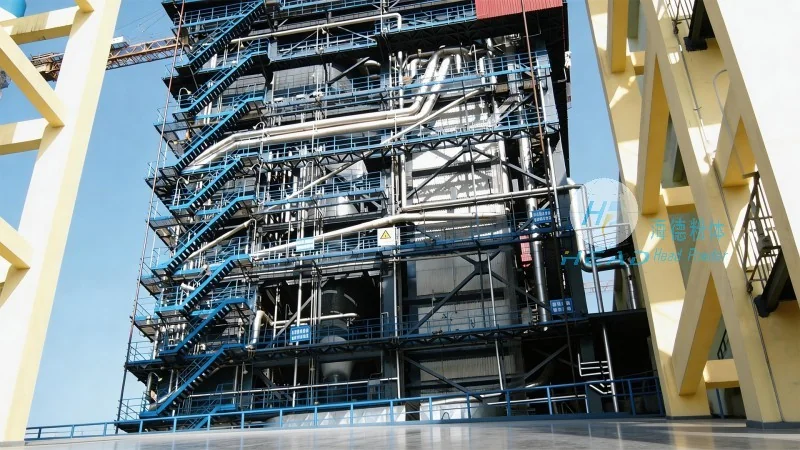
Introduction to Pneumatic Conveying Systems for Cement Powder
Pneumatic conveying, also known as air conveying, is a technology that uses pressurized or suction air to transport bulk materials through a pipeline. For cement and mineral powders, which are often delicate and prone to dust, this method provides a clean, dust-free, and low-maintenance solution compared to traditional mechanical conveying methods like belt conveyors or screw conveyors. The system typically consists of a feeding unit, a conveying line, a separation unit, and a discharge unit, all working in tandem to ensure smooth material flow.
About HeadPowder: A Leading Provider of Pneumatic Conveying Solutions
Shandong HeadPowder Engineering Co., Ltd., commonly known as HeadPowder, is a renowned manufacturer and supplier of advanced pneumatic conveying equipment. With a strong presence in China, specifically in Shandong, the company has established itself as a trusted partner for industries requiring high-performance material handling solutions. HeadPowder specializes in designing and manufacturing customized pneumatic conveying systems tailored to the specific needs of clients, ensuring optimal performance and durability in demanding operational environments.
The Operation Process of Cement Powder Pneumatic Conveying Equipment
The operation of a cement powder pneumatic conveying system involves several sequential steps, each crucial for the efficient transport of the material. The process begins with the feeding stage, where the cement or mineral powder is introduced into the system. This is typically done using a hopper or a rotary valve that controls the flow rate of the material into the conveying line. The material is then mixed with air, either by suction or pressure, depending on the system configuration.
Next, the conveying stage takes place. In a suction system, the material is drawn into the pipeline by a vacuum created by a fan or blower, while in a pressure system, the material is pushed through the line by compressed air. The air and material mixture travels through the pipeline to the discharge point. The conveying speed and distance are determined by the air velocity and the system's design, which are optimized to prevent material degradation or blockages.
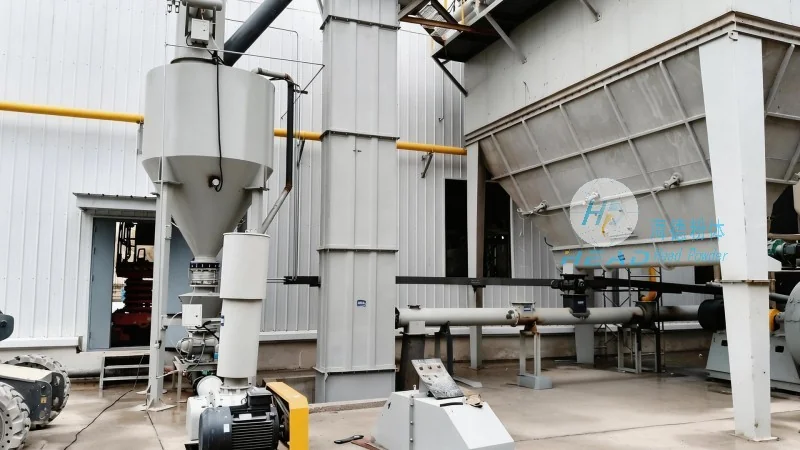
Following the conveying stage is the separation stage. At the end of the pipeline, the material is separated from the air using a separator or cyclone. The separator uses centrifugal force to separate the heavier powder from the lighter air, allowing the powder to be collected in a hopper or storage bin. The air, now clean, is either released to the atmosphere or recirculated back into the system to improve efficiency.
The final stage is the discharge stage, where the separated cement powder is collected and transferred to the next processing step or storage area. This stage ensures that the material is delivered accurately and without loss, completing the entire conveying process.
The Working Principle of Pneumatic Conveying Systems
The core working principle of pneumatic conveying systems is based on the interaction between the material and the air. In suction systems, a fan or blower creates a negative pressure (vacuum) in the pipeline, which pulls the material from the source into the system. The material is then carried along by the air flow, with the air velocity maintained above the material's terminal velocity to prevent settling. In pressure systems, compressed air is used to push the material through the pipeline, with the pressure maintained at a level sufficient to overcome the material's resistance and friction in the pipe.
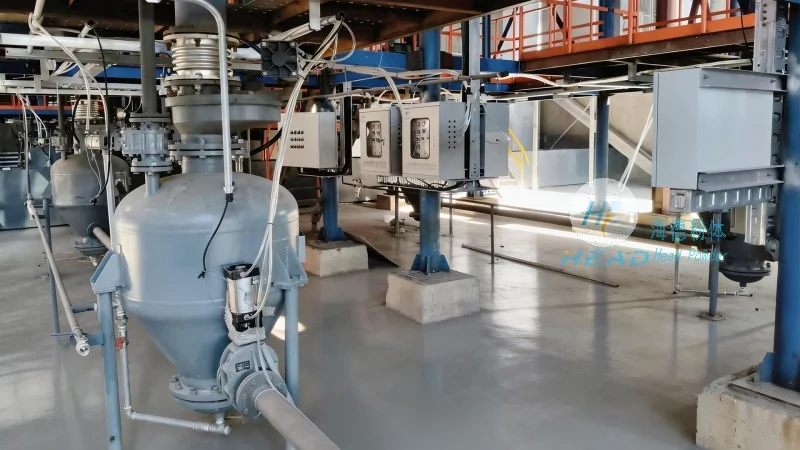
Key components of the system include the air supply unit (fan or blower), the feeding device (hopper or valve), the conveying line (usually made of stainless steel or other corrosion-resistant materials), the separator (cyclone or filter), and the discharge device. Each component plays a vital role in ensuring the smooth operation of the system. For example, the feeding device controls the material flow rate, while the separator ensures efficient material-air separation. The choice between suction and pressure systems depends on factors such as the distance to be covered, the material's properties, and the required flow rate.
Technical Advantages and Applications
Pneumatic conveying equipment for cement powder offers several technical advantages over traditional methods. These include the ability to handle fine and abrasive materials without causing wear and tear, reduced dust and contamination, lower maintenance costs due to fewer moving parts, and the flexibility to transport materials over varying distances and layouts. The system is also suitable for applications where dust control is critical, such as in food processing or pharmaceutical industries, although the primary use remains in the cement and mineral processing sectors.
HeadPowder's pneumatic conveying systems are designed to meet the specific requirements of various applications, including cement production plants, mineral processing facilities, and construction material handling operations. The company's expertise in customizing systems ensures that clients receive solutions that are optimized for their operational needs, whether it's for short-distance transport within a plant or longer-distance transfer between different locations.
Conclusion
In conclusion, the operation process and working principle of cement powder material pneumatic conveying equipment are intricate yet efficient, providing a reliable solution for the transport of fine powders in industrial settings. With its ability to handle delicate materials, minimize dust, and offer flexible operation, this technology has become an essential part of modern material handling. HeadPowder, with its strong presence in Shandong, China, continues to lead in the development and supply of advanced pneumatic conveying systems, helping industries achieve higher efficiency and productivity in their material handling operations.