

Operation Process and Working Principle of Cement and Mineral Powder Pneumatic Conveying Equipment
Shandong HeadPowder Engineering Co., Ltd., commonly known as HeadPowder, is a professional manufacturer specializing in pneumatic conveying equipment for bulk materials. The company is headquartered in Shandong, China, and has been dedicated to providing high-quality solutions for material handling in various industries. With years of experience and technical expertise, HeadPowder offers reliable and efficient pneumatic conveying systems tailored to the needs of cement and mineral powder applications.
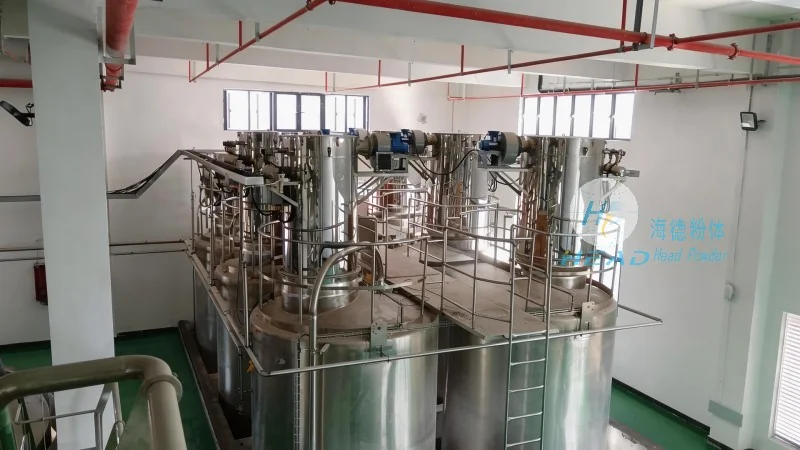
Introduction to Cement and Mineral Powder Pneumatic Conveying Equipment
Cement and mineral powder pneumatic conveying systems are essential for efficient material transport in cement production and related industries. These systems utilize air as the conveying medium to move powders from one location to another, offering advantages such as low maintenance, no mechanical contact with the material, and the ability to handle a wide range of particle sizes and moisture contents. The technology is widely adopted due to its ability to maintain product integrity and reduce operational costs compared to traditional methods like belt conveyors or bucket elevators.
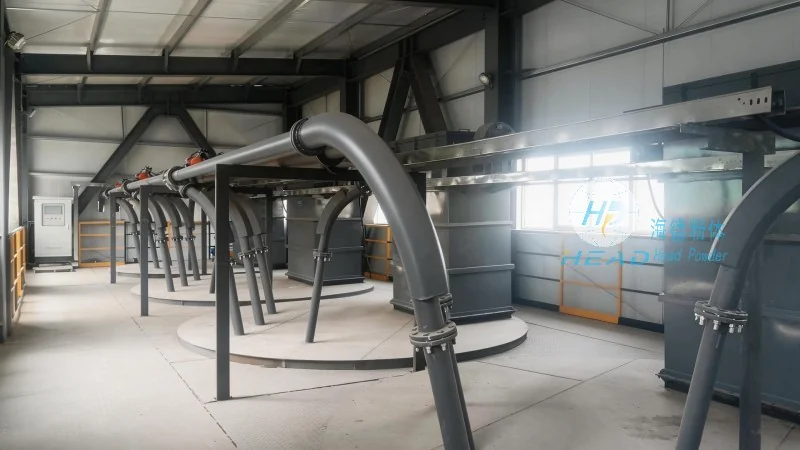
Key Components and Working Principle
The core components of a pneumatic conveying system include a hopper for material storage, a feeder to control the flow rate, a conveying pipeline, a blower or compressor to generate air pressure, and a receiver for the discharged material. The working principle involves feeding the powder into the hopper, where it is then drawn into the pipeline by the air flow generated by the blower. The air and powder mixture travels through the pipeline, and the powder is separated from the air in the receiver, typically through a cyclone separator or a filter. The blower can operate under either positive pressure or negative pressure, depending on the system design and the distance and height of the conveying line.
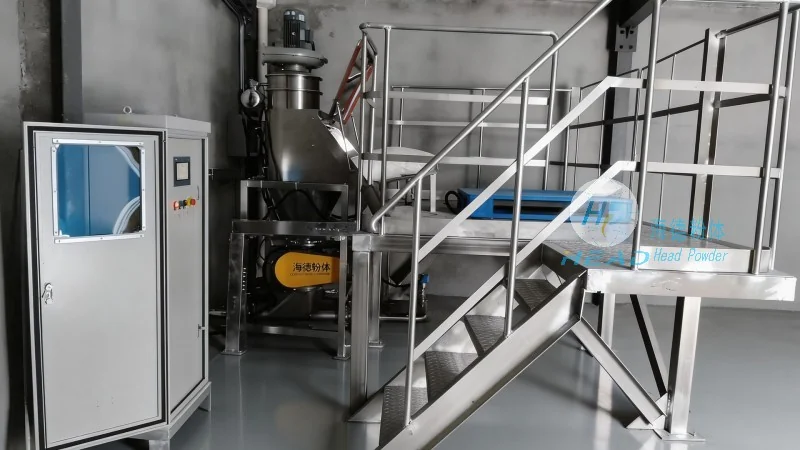
Operation Process Overview
The operation process of a cement and mineral powder pneumatic conveying machine typically starts with material loading into the hopper. The feeder then regulates the material flow into the pipeline, ensuring a consistent feed rate to prevent blockages or uneven transport. The blower creates a negative pressure in the system, which draws the material from the hopper into the pipeline. As the material is suspended by the air flow, it moves through the pipeline to the receiving end. At the receiver, the air is separated from the powder using a cyclone separator, which uses centrifugal force to separate the heavier powder from the lighter air. The clean air is then discharged, while the powder is collected in the receiver for further use or storage.
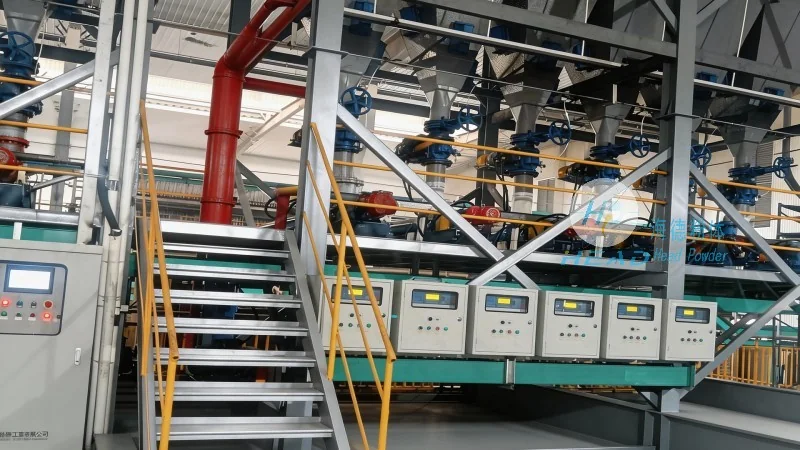
Advantages and Applications
Pneumatic conveying systems for cement and mineral powders offer several advantages, including high efficiency in material transport, minimal product contamination, and the ability to handle materials with varying properties. These systems are widely used in cement plants for transporting raw materials like limestone, clay, and iron ore, as well as finished cement products to storage silos or packaging facilities. They are also applicable in other industries such as mining, chemical processing, and food processing where bulk powder handling is required. The systems can be customized to handle different material types, conveying distances, and operating pressures, making them versatile solutions for various industrial needs.