

Introduction to Wool Pneumatic Conveying: Structure and Principle Overview
Wool pneumatic conveying technology represents a sophisticated method for handling and transporting wool fibers and related materials. This technology is widely utilized in the textile and processing industries due to its efficiency and adaptability in managing the unique characteristics of wool. The following overview delves into the fundamental aspects of wool pneumatic conveying, including its structural components and operational principles, as provided by Shandong HeadPowder Engineering Co., Ltd., a leading manufacturer in this field.
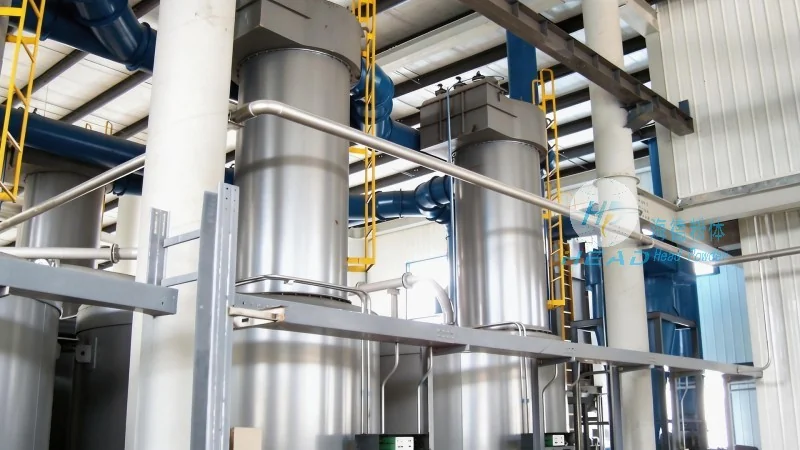
Understanding Wool Pneumatic Conveying Systems
Wool pneumatic conveying systems are engineered to transport wool and its byproducts through a pressurized or vacuum environment using air or gas as the conveying medium. These systems are designed to handle the delicate nature of wool fibers while ensuring minimal damage and optimal material flow. The core components of a typical wool pneumatic conveying system include the hopper, feed mechanism, conveying line, and discharge unit. Each component plays a critical role in the overall functionality and efficiency of the system.
Key Structural Components of Wool Pneumatic Conveying
The structural design of a wool pneumatic conveying system is tailored to accommodate the specific properties of wool, such as its soft texture, varying fiber lengths, and potential for static buildup. The hopper, often equipped with a pre-screening or conditioning section, serves as the initial collection point for raw wool. This component helps in reducing the size of larger particles and preparing the material for uniform feeding. The feed mechanism, which may include a rotary valve or screw feeder, regulates the flow of wool into the conveying line, ensuring consistent and controlled material input. The conveying line itself is typically made of corrosion-resistant materials like stainless steel or special plastics to prevent contamination and maintain the purity of the wool. The discharge unit, located at the receiving end, safely releases the wool into the next processing stage, such as baling or further sorting.
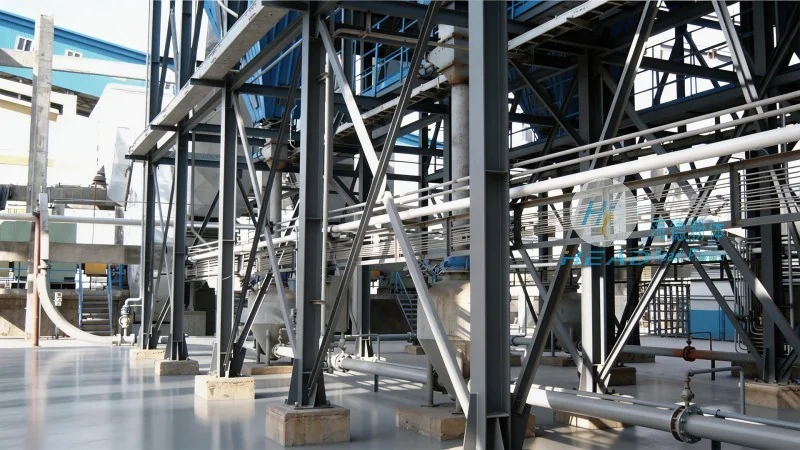
Operational Principles of Wool Pneumatic Conveying
The operational principle of wool pneumatic conveying relies on the movement of air or gas to create a pressure differential that propels the wool particles through the system. In a pressurized system, air is forced into the conveying line, creating positive pressure that pushes the wool forward. Conversely, a vacuum system uses suction to draw the wool into the line. The velocity and pressure of the air are carefully controlled to ensure that the wool fibers are conveyed without excessive friction or breakage. This method is particularly effective for handling fine or delicate materials like wool, as it minimizes mechanical stress compared to traditional mechanical conveyors.
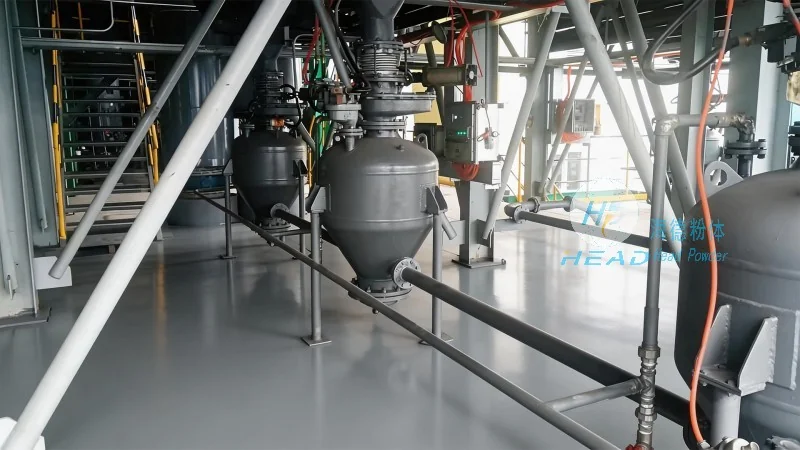
Advantages of Wool Pneumatic Conveying
Wool pneumatic conveying systems offer several advantages over conventional handling methods. Firstly, they provide a dust-free and hygienic environment, which is crucial for maintaining the quality of wool products. Secondly, these systems are highly efficient in terms of space utilization, as they can transport materials over long distances with minimal infrastructure. Thirdly, the technology reduces labor costs by automating the material handling process, allowing for continuous operation with reduced human intervention. Additionally, the systems are versatile and can be adapted to various processing requirements, making them suitable for both small-scale and large-scale wool processing facilities.
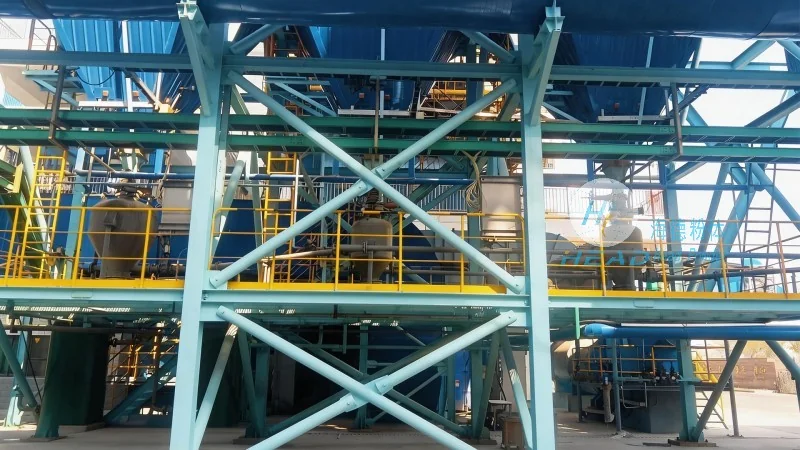
Applications in Wool Processing
Wool pneumatic conveying is widely applied in various stages of wool processing. In the initial stages, it is used to transport raw wool from storage areas to the cleaning and sorting machines. During the cleaning process, the system can convey wool through washing and drying units, ensuring consistent moisture levels. In the final stages, the system is employed to move processed wool to baling or packaging units, preparing it for distribution. The adaptability of the system allows it to integrate seamlessly with other processing equipment, enhancing overall operational efficiency.
Maintenance and Operational Considerations
Proper maintenance is essential to ensure the longevity and optimal performance of wool pneumatic conveying systems. Regular cleaning of the conveying lines and components is necessary to prevent the accumulation of wool fibers, which can lead to blockages and reduced efficiency. Additionally, monitoring air pressure and flow rates is crucial to maintain consistent material transport. The use of filters and separators helps in removing dust and debris from the air, protecting the system components and ensuring the quality of the wool being conveyed. Shandong HeadPowder Engineering Co., Ltd. provides comprehensive maintenance services and technical support to help clients maximize the lifespan and efficiency of their wool pneumatic conveying systems.