

Introduction to Sesame Pneumatic Conveying: Structure and Working Principles
HeadPowder, a leading engineering firm based in Shandong, China, specializes in the design and implementation of advanced pneumatic conveying systems. This article provides a comprehensive overview of sesame pneumatic conveying technology, focusing on its structural components and operational principles. The information below is tailored for potential clients seeking reliable solutions for handling sesame and similar bulk materials efficiently.
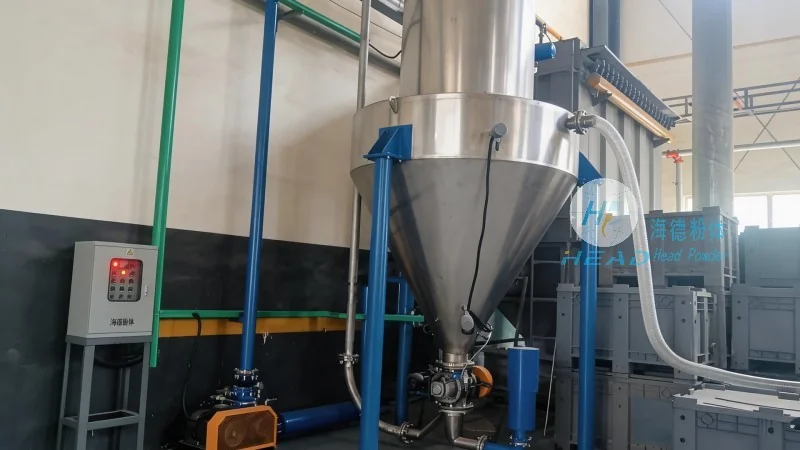
Overview of Sesame Pneumatic Conveying Systems
Sesame pneumatic conveying systems are engineered to transport sesame seeds and other granular or powdery materials through a network of pipes using air pressure. Unlike traditional mechanical conveyors, these systems utilize compressed air to move materials, offering advantages such as reduced maintenance, minimal product contamination, and the ability to handle materials in enclosed environments. The technology is widely adopted in the food processing industry due to its hygienic design and flexibility in handling various material characteristics.
Key Structural Components of a Sesame Pneumatic Conveying System
The core components of a sesame pneumatic conveying system include the following elements, each playing a critical role in the overall operation:
1. Feed Hopper and Metering Valve
The feed hopper is the initial component where sesame seeds are stored and fed into the system. It is typically equipped with a metering valve that controls the flow rate of the material into the conveying line. This component ensures consistent material input, preventing overloading or underloading of the system, which could affect conveying efficiency and system performance.
2. Air Supply Unit (Compressor and Dryer)
The air supply unit is responsible for generating and conditioning the air used in the conveying process. A compressor increases the air pressure to the required level, while a dryer removes moisture from the air to prevent material caking or degradation. Proper air conditioning is essential for maintaining the quality of sesame seeds and ensuring smooth operation of the conveying system.
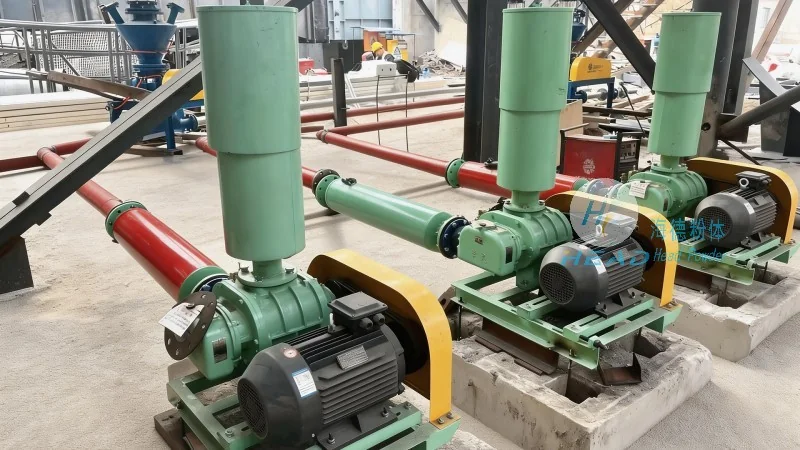
3. Conveying Line and Pipe Fittings
The conveying line consists of a network of pipes that transport the sesame seeds. The choice of pipe material, diameter, and configuration depends on the material characteristics and the distance to be covered. Common materials for the pipes include stainless steel or plastic, selected for their durability and resistance to corrosion. Pipe fittings such as elbows, tees, and reducers are used to direct the flow and maintain consistent air velocity, which is crucial for efficient material transport.
4. Solenoid Valves and Control System
Solenoid valves are used to control the flow of air and material within the system. They are typically integrated with a control system that monitors pressure, flow rate, and other parameters. The control system ensures that the conveying process operates within optimal conditions, automatically adjusting the air pressure or material feed rate as needed. This automation enhances the reliability and efficiency of the system, reducing the risk of operational errors.
5. Collection Hopper and Discharge Valve
The collection hopper is the final component where the conveyed sesame seeds are collected. It is equipped with a discharge valve that controls the release of the material into the next processing stage. The design of the hopper and valve ensures that the material is discharged smoothly and without spillage, maintaining the integrity of the product.
Working Principles of Sesame Pneumatic Conveying
The operation of a sesame pneumatic conveying system follows a simple yet effective principle: air is forced through the conveying line at a high velocity, creating a negative pressure that draws the sesame seeds into the pipe. The material is then carried along with the air stream until it reaches the collection point. The system can operate in either positive or negative pressure modes, depending on the specific requirements of the application. In positive pressure systems, air is forced into the conveying line, pushing the material forward. In negative pressure systems, air is drawn out of the line, pulling the material in.
Advantages of Using Sesame Pneumatic Conveying Systems
Implementing a sesame pneumatic conveying system offers several benefits for businesses in the food processing industry:
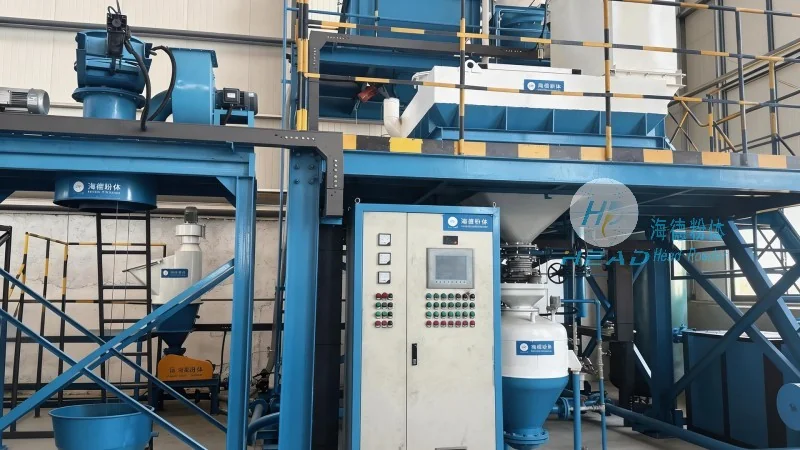
1. Hygienic and Clean Operation
The enclosed design of the system prevents contamination from external sources, ensuring that the sesame seeds remain clean and free from dust or other particles. This is particularly important for food products that require strict hygiene standards.
2. Reduced Maintenance and Downtime
Compared to mechanical conveyors, pneumatic systems have fewer moving parts, which reduces the risk of mechanical failure and the need for frequent maintenance. This leads to lower operational costs and less downtime, allowing businesses to maintain consistent production schedules.
3. Energy Efficiency
Modern pneumatic conveying systems are designed to be energy-efficient, using only the necessary amount of air to transport the material. This reduces energy consumption and operating costs, making the system more cost-effective in the long run.
4. Flexibility and Scalability
Sesame pneumatic conveying systems can be easily adapted to handle different material types and processing requirements. They can be scaled up or down to accommodate changes in production volume, making them suitable for both small and large-scale operations.
Applications of Sesame Pneumatic Conveying
Sesame pneumatic conveying systems are widely used in various applications within the food processing industry, including:
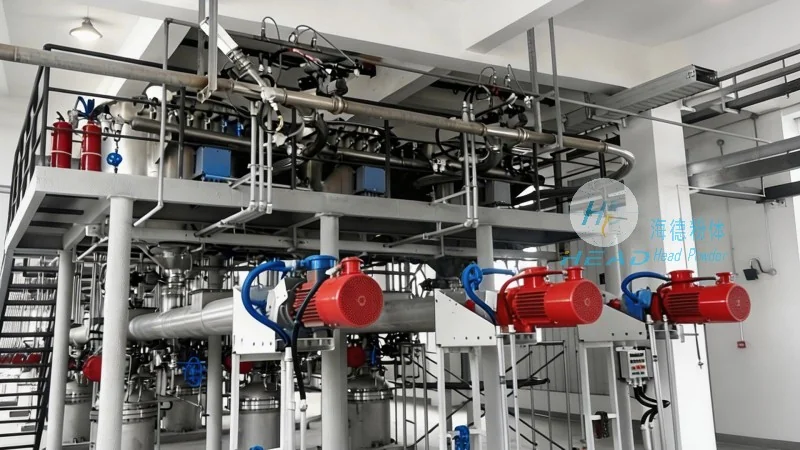
1. Sesame Seed Processing Plants
In sesame processing plants, these systems are used to transport raw sesame seeds from storage areas to processing equipment, such as cleaning and grinding machines. The hygienic design of the system ensures that the seeds are handled safely and efficiently.
2. Food Manufacturing Facilities
Food manufacturers use pneumatic conveying systems to transport sesame seeds into mixing and blending processes, ensuring consistent ingredient distribution in products like snacks, baked goods, and sauces.
3. Bulk Material Handling Operations
Beyond the food industry, pneumatic conveying systems are also used in other industries that handle bulk materials, such as pharmaceuticals and chemicals, where the same principles of efficient and hygienic material transport apply.
Conclusion
HeadPowder Engineering Co., Ltd., based in Shandong, China, provides high-quality sesame pneumatic conveying systems that are designed to meet the specific needs of food processing and bulk material handling industries. By leveraging advanced engineering and careful design, these systems offer reliable, efficient, and hygienic solutions for transporting sesame seeds and other materials. The company's expertise in pneumatic conveying technology ensures that clients receive systems that are tailored to their operational requirements, enhancing productivity and product quality.