

Introduction to Pneumatic Conveying of Masterbatch and Its Structural Principles
Masterbatch, a crucial component in the plastic industry, is often transported using pneumatic conveying systems. This method offers efficient and reliable material handling, especially for colorant and additive masterbatches. The following sections provide an overview of the pneumatic conveying process and its underlying structural principles.
Understanding Pneumatic Conveying Systems
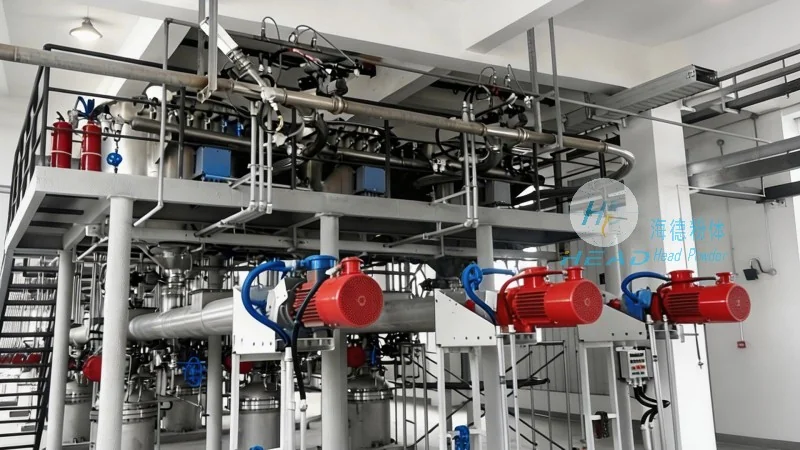
Pneumatic conveying systems utilize air or gas to transport bulk materials like masterbatch from one location to another. These systems are designed to handle various types of masterbatch, including those with different particle sizes, moisture contents, and chemical compositions. The core components of a typical pneumatic conveying system include a hopper, a conveyor line, a separator, and a dust collector. Each component plays a vital role in ensuring the smooth and safe transfer of masterbatch.
Structural Components and Their Functions
The structural design of a pneumatic conveying system is tailored to meet the specific requirements of masterbatch handling. The hopper, typically made of stainless steel or other corrosion-resistant materials, serves as the storage container for the masterbatch. It is equipped with a discharge valve that controls the flow of material into the conveyor line. The conveyor line, often a flexible or rigid tube, is where the masterbatch is propelled by compressed air. The air velocity and pressure within the line are critical factors that determine the conveying efficiency and material integrity.
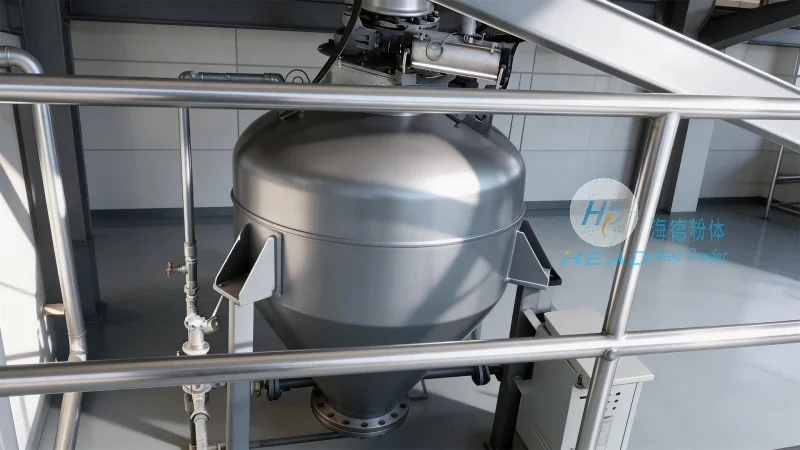
The separator, another key component, is used to separate the conveyed masterbatch from the air stream. This is achieved through a combination of gravity and air flow, allowing the masterbatch to fall into a collection bin while the air is directed to a dust collector. The dust collector, equipped with filters or cyclones, ensures that any fine particles are captured, preventing air pollution and maintaining a clean working environment.
Principles of Operation
The operation of a pneumatic conveying system for masterbatch is based on the principles of fluid dynamics and material handling. When the masterbatch is introduced into the conveyor line, it is suspended in the air stream and transported to the destination. The air velocity must be sufficient to keep the masterbatch particles in suspension, preventing them from settling or clogging the system. The pressure drop along the conveyor line is another important factor, as it affects the overall efficiency of the system. Proper design of the system ensures that the pressure drop is minimized, allowing for consistent and reliable conveying.
Advantages of Pneumatic Conveying for Masterbatch
Pneumatic conveying offers several advantages over traditional methods like belt conveyors or screw conveyors. One of the primary benefits is the ability to handle materials with high moisture content or fine particles without causing degradation or contamination. The enclosed system also prevents dust emissions, making it suitable for applications where environmental regulations are strict. Additionally, pneumatic conveying systems can be easily integrated with other processing equipment, such as extruders or mixers, allowing for a seamless production line.
Applications in the Plastic Industry
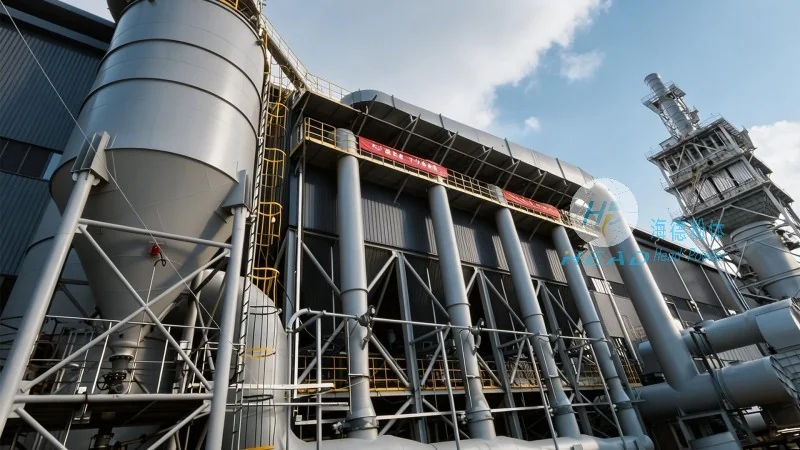
The use of pneumatic conveying systems for masterbatch is widespread in the plastic industry. These systems are commonly used in the production of colored plastics, where masterbatch is added to the polymer melt to achieve the desired color and properties. The efficient and clean transfer of masterbatch ensures consistent coloration and reduces the risk of contamination in the final product. Furthermore, the flexibility of pneumatic conveying allows for easy adjustment of the conveying rate, making it suitable for both small-scale and large-scale production operations.
Conclusion
Pneumatic conveying systems are essential for the efficient and reliable handling of masterbatch in the plastic industry. The structural design and operational principles of these systems are tailored to meet the specific needs of masterbatch, ensuring high-quality material transfer. As a leading provider in the field, Shandong HeadPowder Engineering Co., Ltd. specializes in designing and manufacturing pneumatic conveying systems that meet the highest standards of performance and reliability. With our expertise and commitment to quality, we help clients optimize their production processes and enhance their overall efficiency.