

Baryte Pneumatic Conveying: An Introduction to Its Structural Principles
Baryte, also known as barium sulfate, is a widely used industrial mineral with applications in oil drilling, chemical manufacturing, and other sectors. The efficient handling of baryte through pneumatic conveying systems is crucial for optimizing production processes and ensuring material integrity. This article provides an overview of baryte pneumatic conveying systems, focusing on their structural design and operational principles.
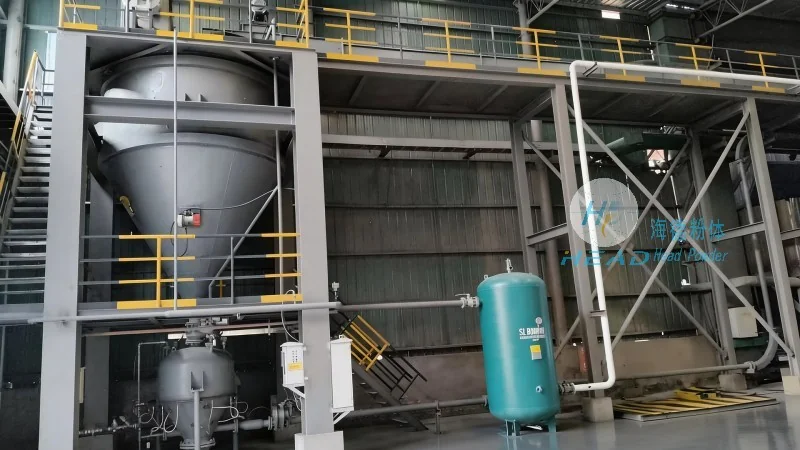
HeadPowder, a leading provider of material handling solutions, specializes in the design and implementation of pneumatic conveying systems tailored to the unique needs of baryte processing. With a strong presence in the industry, HeadPowder has developed expertise in creating reliable and efficient systems that meet the demands of modern baryte production facilities.
Located in Shandong, China, Shandong HeadPowder Engineering Co., Ltd. leverages advanced engineering techniques and local manufacturing capabilities to deliver high-quality pneumatic conveying equipment. The company's commitment to innovation and customer satisfaction has established it as a trusted partner for businesses seeking to enhance their baryte handling operations.
Structural Components of Baryte Pneumatic Conveying Systems
Baryte pneumatic conveying systems typically consist of several key components that work in tandem to transport material from a source to a destination. The primary elements include the hopper, which stores the baryte, the air supply system that generates the conveying air, the conveying line where the material is transported, and the receiver where the material is deposited.
The hopper is designed to hold the bulk baryte and features a discharge valve or gate to control the flow of material into the system. This component is often equipped with a level indicator to monitor the material level and prevent overfilling. The air supply system, which may include a blower or compressor, generates the necessary air pressure to move the baryte particles through the conveying line.
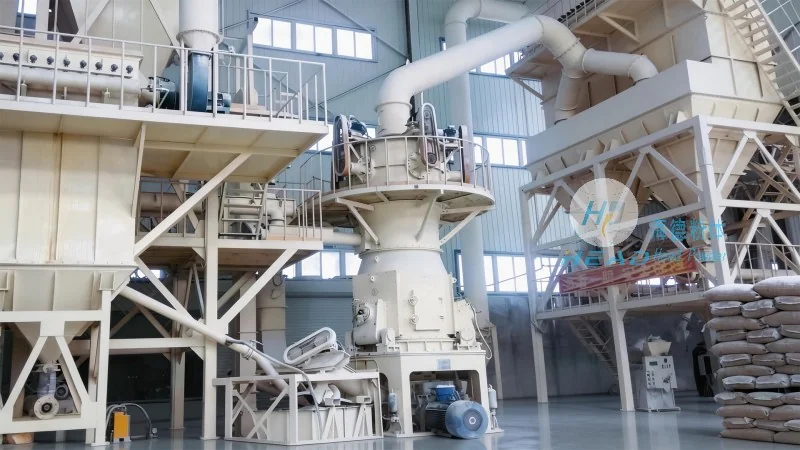
The conveying line is usually made of metal or plastic and is designed to withstand the pressure and abrasion caused by the baryte particles. It may include bends, elbows, or other fittings to direct the material along the desired path. The receiver, typically a storage bin or silo, collects the baryte at the end of the conveying line and may include a discharge valve or conveyor for further processing.
Operational Principles and Efficiency Considerations
The operation of baryte pneumatic conveying systems relies on the principle of air flow to move the material. As air is introduced into the system, it creates a low-pressure zone that draws the baryte particles into the conveying line. The particles are then carried along by the air stream, maintaining a suspension that allows for efficient transport.
Efficiency in baryte pneumatic conveying is influenced by several factors, including the air velocity, particle size, and moisture content of the baryte. Proper air velocity is critical to prevent material deposition or blockages in the conveying line. HeadPowder engineers carefully calculate the required air velocity based on the specific characteristics of the baryte being handled to ensure optimal performance.
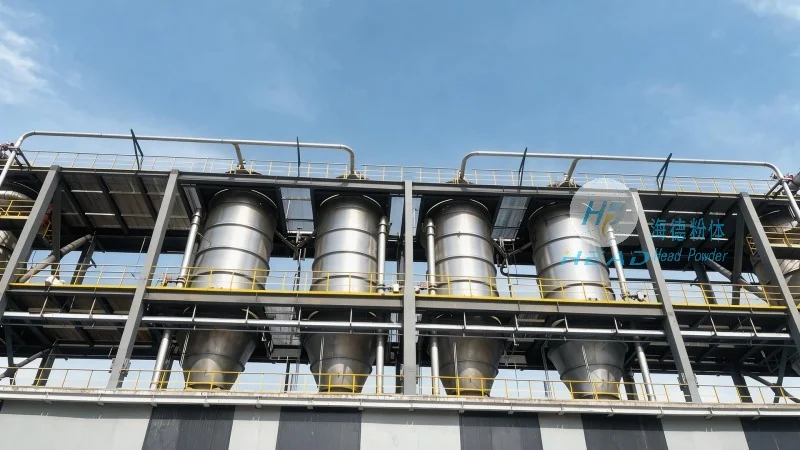
Moisture content and particle size also play significant roles in system efficiency. Excessive moisture can cause the baryte particles to clump together, leading to blockages and reduced conveying capacity. Similarly, very fine particles may require higher air velocities to maintain suspension. HeadPowder's expertise in material characterization and system design helps to address these challenges and optimize the conveying process for each application.
Advantages of Baryte Pneumatic Conveying
Baryte pneumatic conveying offers several advantages over traditional mechanical conveying methods. One of the key benefits is the ability to transport material over long distances without the need for multiple transfer points or intermediate storage. This reduces the risk of material contamination and improves overall process flow.
Another advantage is the reduced need for manual handling and labor. Pneumatic systems can automate the entire conveying process, from material loading to discharge, minimizing the risk of human error and improving workplace safety. Additionally, these systems are less prone to material degradation compared to mechanical systems, which can cause abrasion or breakage of the baryte particles.
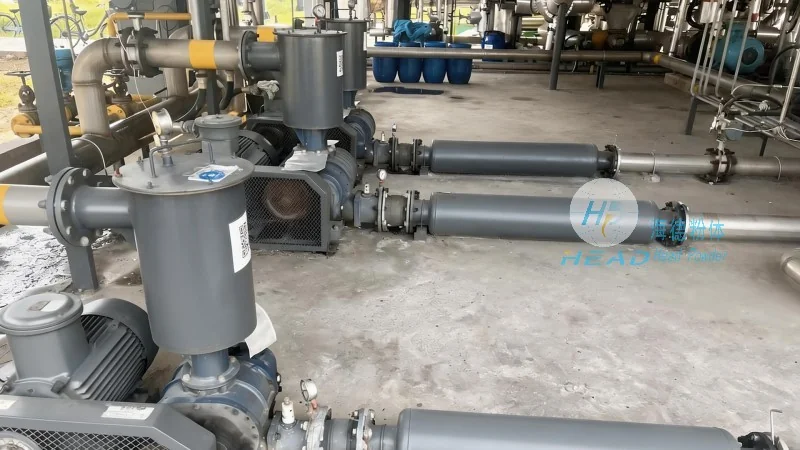
HeadPowder's baryte pneumatic conveying systems are designed to maximize these advantages while ensuring durability and reliability. The company's focus on quality control and customer-specific solutions ensures that each system is tailored to the unique requirements of the baryte processing facility, resulting in improved operational efficiency and cost savings.
Applications and Industry Impact
Baryte pneumatic conveying is widely used in various industries that rely on baryte as a raw material. In the oil and gas sector, baryte is used as a weighting agent in drilling mud, and efficient conveying systems are essential for maintaining consistent mud properties. In chemical manufacturing, baryte is used in the production of barium compounds, and pneumatic conveying helps to ensure a steady supply of material to production lines.
HeadPowder's expertise in baryte pneumatic conveying has enabled the company to serve a diverse range of industries, from small-scale processing facilities to large-scale industrial operations. The company's systems have been successfully implemented in facilities across China and beyond, demonstrating their effectiveness in improving material handling efficiency and reducing operational costs.
As the demand for baryte continues to grow, the importance of efficient pneumatic conveying systems becomes increasingly critical. HeadPowder remains committed to providing innovative solutions that meet the evolving needs of the industry, ensuring that baryte processing facilities can operate at their highest potential with reliable and efficient material handling systems.