

Introduction to Fine Coal Powder Pneumatic Conveying: Overview of Structure and Principle
Fine coal powder pneumatic conveying systems are critical components in modern industrial processes, particularly in the handling and transportation of fine particulate materials like coal powder. This technology enables the efficient and safe movement of such materials through a pressurized or vacuum-driven system, replacing traditional bulk material handling methods that often involve high labor costs and environmental risks. Understanding the structure and operational principles of these systems is essential for optimizing material flow, reducing operational costs, and enhancing overall production efficiency in various industrial sectors.
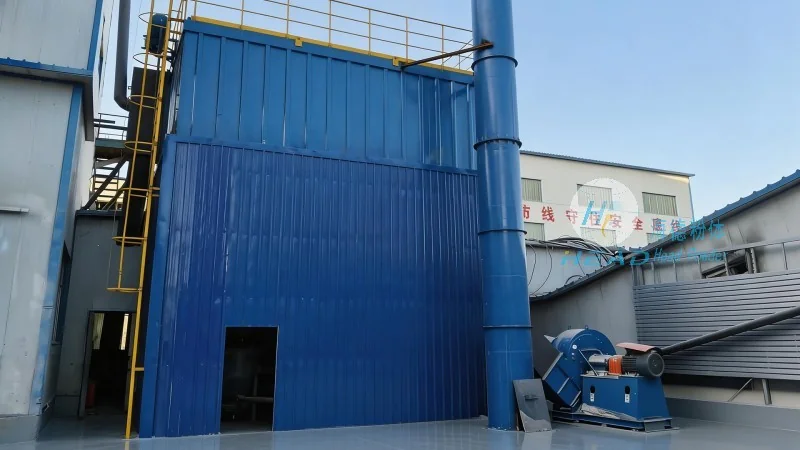
HeadPowder, a leading engineering company based in Shandong, China, specializes in the design, manufacturing, and implementation of advanced fine coal powder pneumatic conveying solutions. With a strong commitment to innovation and customer-centric service, HeadPowder has established itself as a trusted partner for industries requiring reliable and efficient material handling systems. The company's headquarters and operational base are located in Shandong, where it leverages local resources and expertise to deliver high-quality engineering solutions tailored to specific industrial needs.
The core structure of a fine coal powder pneumatic conveying system typically comprises several key components that work in tandem to ensure smooth material transport. The primary elements include a feeding unit, which accurately meters and introduces the fine coal powder into the system; a conveying pipeline, often made of corrosion-resistant materials such as stainless steel or special plastics, to transport the material under controlled pressure or vacuum; and a separation and collection system, which separates the conveyed powder from the air and collects it in designated storage or processing areas. Additionally, control systems and monitoring devices are integrated to regulate the flow rate, pressure, and other critical parameters, ensuring optimal performance and preventing system failures.
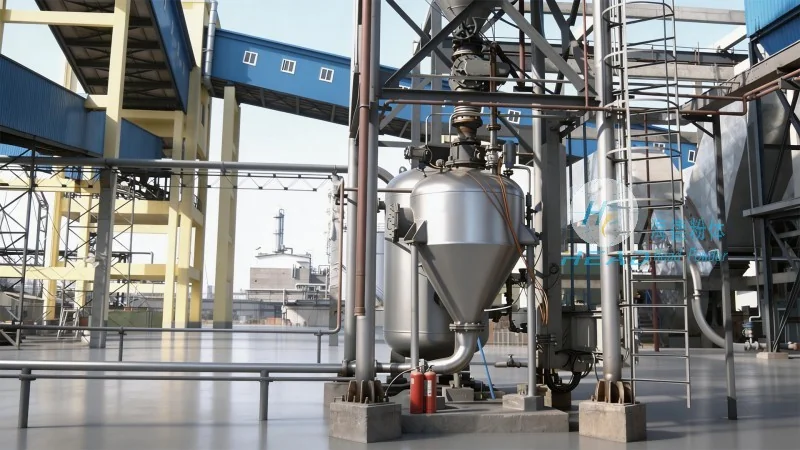
The operational principle of fine coal powder pneumatic conveying relies on the creation of a fluidized or suspended state of the powder particles within the conveying medium (air or gas). By introducing the coal powder into the pipeline under sufficient pressure, the particles are entrained and carried along the pipeline to the destination. The system can operate in either positive pressure (blowing) or negative pressure (suction) modes, depending on the application requirements and the distance of material transport. Positive pressure systems are commonly used for short to medium-distance conveying, while negative pressure systems are suitable for longer distances or when the material needs to be transported from multiple sources to a central collection point.
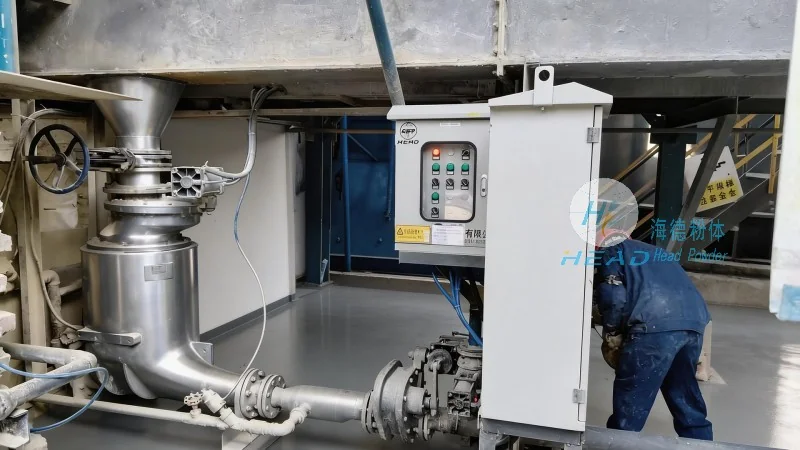
A key advantage of fine coal powder pneumatic conveying systems is their ability to handle materials that are difficult to transport using traditional methods, such as those with high moisture content, abrasive properties, or fine particle sizes that tend to agglomerate. The system's enclosed design minimizes dust emissions, contributing to better workplace safety and compliance with environmental regulations. Furthermore, the flexibility of these systems allows for easy integration with existing industrial processes, reducing downtime and enabling seamless material flow between different stages of production.
HeadPowder's expertise lies in customizing pneumatic conveying solutions to meet the unique demands of each client. The company's engineering team works closely with clients to assess their material characteristics, transport requirements, and operational constraints, then designs a system that maximizes efficiency while minimizing costs. Whether for short-distance transport within a facility or long-distance delivery to a processing plant, HeadPowder's systems are engineered to deliver consistent performance and reliability, ensuring that clients can maintain their production schedules without interruptions.