

Introduction to the Structure and Principle of Limestone Pulverized Material Pneumatic Conveying
Limestone, a fundamental industrial material, often requires efficient and safe transportation methods for processing and application. Pneumatic conveying systems have become a cornerstone technology for handling limestone powders and granules, offering advantages such as dust control, operational safety, and process flexibility. This article provides a detailed introduction to the structural components and operational principles of limestone pneumatic conveying systems, emphasizing their role in modern material handling.
Core Components of Pneumatic Conveying Systems for Limestone
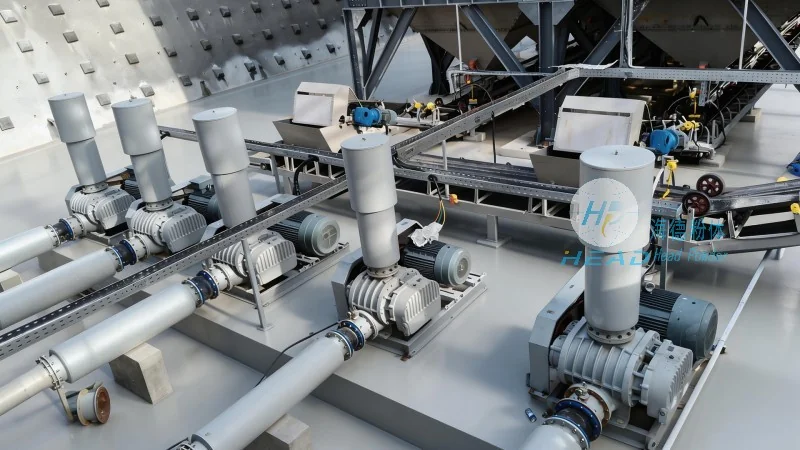
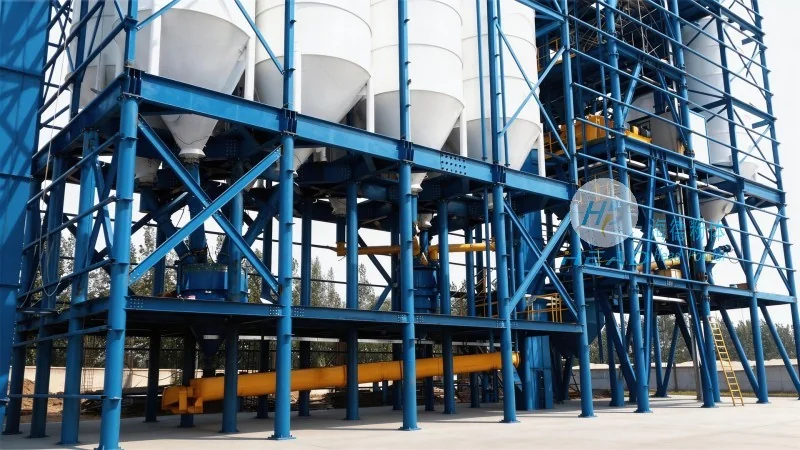
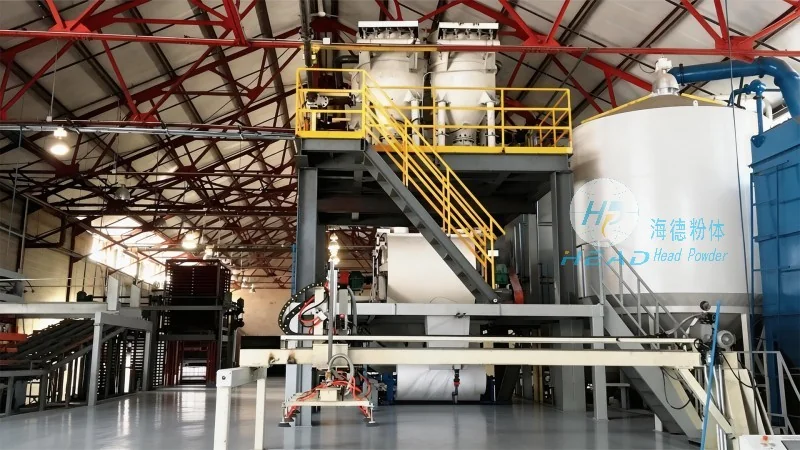
The fundamental architecture of a limestone pneumatic conveying system comprises several critical components, each designed to ensure reliable material transport. The primary components include the material hopper, feeder, air compressor, conveying pipeline, and dust collection unit. Each component works in concert to facilitate the movement of limestone from its source to the processing or storage destination.
The material hopper serves as the initial storage vessel for limestone, typically featuring a conical or hopper-shaped design to promote uniform material flow and prevent clogging. It is equipped with a discharge valve or feeder mechanism that regulates the amount of limestone entering the system, ensuring a steady and controlled feed rate. The feeder, often a rotary valve or screw feeder, acts as the interface between the hopper and the conveying pipeline, maintaining consistent material delivery.
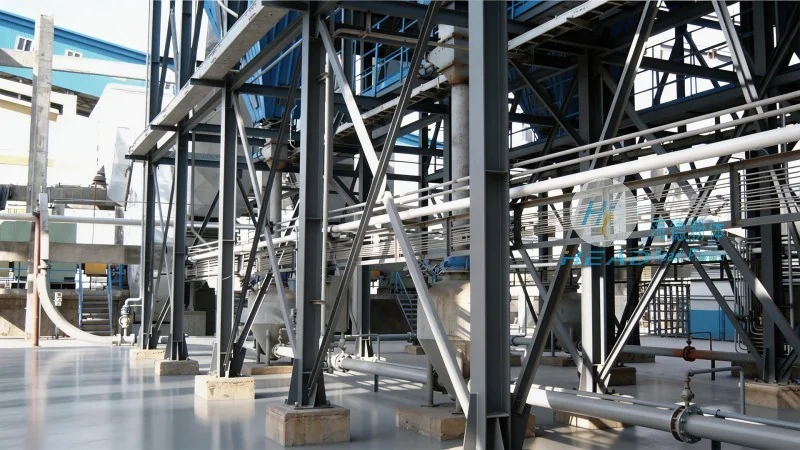
The air compressor is the system's power source, generating the necessary pressure and airflow to move limestone particles through the pipeline. Depending on the system's capacity and pressure requirements, different compressor types may be employed, such as positive displacement or centrifugal models. The conveying pipeline, constructed from corrosion-resistant materials like stainless steel or special alloys, is engineered to withstand the abrasive nature of limestone and maintain airtight integrity to prevent material loss and dust emission.
The dust collector is an essential component for environmental compliance and operational safety. It captures any fine limestone particles that may escape the conveying system, ensuring that the exhaust air is clean and free from particulate matter. This unit typically includes a filter or cyclone separator to effectively remove dust, protecting both personnel and equipment from contamination.
Operational Principles of Pneumatic Conveying for Limestone
The operational principle of pneumatic conveying relies on the use of air to transport solid particles. There are two primary modes of operation: dilute-phase and dense-phase. Dilute-phase systems operate at higher velocities, with limestone particles suspended in the air stream, suitable for short to medium distances and lower material loads. Dense-phase systems, conversely, operate at lower velocities, using a pressure boost to move limestone particles in a more concentrated form, ideal for longer distances and higher material throughput.
In a dilute-phase system, limestone is introduced into the pipeline at a high velocity, creating a suspension of particles within the air. The air flow carries the particles through the pipeline to the destination, where they are separated from the air by a cyclone or other separation device. This method minimizes particle degradation and ensures efficient transport over shorter distances.
Dense-phase systems employ a pressure vessel or booster pump to increase the pressure of the air and material mixture before it enters the pipeline. This approach allows for the movement of limestone in a more compact state, reducing the risk of system blockages and particle attrition. The dense-phase principle is particularly advantageous for applications requiring precise control over material flow and pressure, such as in cement production or chemical processing.
Advantages of Pneumatic Conveying for Limestone Handling
Pneumatic conveying systems offer several key advantages for handling limestone, including dust-free operation, reduced material degradation, and enhanced safety. Unlike traditional mechanical conveyors, pneumatic systems eliminate direct contact between limestone and conveying equipment, minimizing the risk of dust generation and particle breakage. This results in a cleaner working environment and reduced health hazards for personnel.
Additionally, pneumatic conveying provides high flexibility in terms of system layout and route changes. The pipeline can be easily reconfigured or extended without major structural modifications, making it adaptable to evolving production needs. This adaptability is crucial for industries where production processes or material flow requirements may change over time.
The systems also offer precise control over material flow rate and pressure, ensuring consistent performance and reducing the likelihood of system failures or material loss. Furthermore, the use of corrosion-resistant materials in the pipeline and components ensures long-term durability and low maintenance costs, contributing to overall operational efficiency.
Applications of Limestone Pneumatic Conveying
Limestone pneumatic conveying systems are widely utilized across various industrial sectors, including cement manufacturing, chemical processing, and food production. In cement plants, limestone is a primary raw material and is transported from storage facilities to the raw mill or kiln. The pneumatic system ensures that limestone is delivered in a controlled manner, maintaining the quality and consistency of the final cement product.
In chemical processing, limestone is used as a raw material for the production of calcium compounds, such as calcium carbonate and calcium hydroxide. The pneumatic conveying system allows for the efficient transport of limestone from storage to processing units, ensuring a continuous supply of raw material and supporting high production throughput.
In the food industry, limestone is employed as a calcium supplement in animal feed and as a pH adjuster in certain food products. The pneumatic system provides a hygienic and dust-free method of transporting limestone, meeting the stringent safety and quality standards required in the food sector. This ensures that the final product is free from contaminants and meets regulatory requirements.
Conclusion
Pneumatic conveying systems represent a sophisticated and efficient solution for the transportation of limestone and other fine materials. By understanding the structural components and operational principles of these systems, industries can optimize their material handling processes, enhance productivity, and ensure compliance with environmental regulations. As technology advances, with improvements in materials and control systems, pneumatic conveying continues to play a vital role in modern industrial operations, supporting the sustainable and efficient use of limestone in various applications.