

Introduction to Compound Fertilizer Pneumatic Conveying: Structure and Principle Explanation
Compound fertilizer pneumatic conveying systems are critical in modern agricultural and industrial applications, facilitating the efficient transport of granular fertilizers from storage to processing or distribution points. This technology offers significant advantages over traditional mechanical conveying methods, including reduced equipment wear, lower energy consumption, and enhanced safety in handling potentially dusty or hazardous materials. The system's design and operational principles are tailored to handle the specific characteristics of compound fertilizers, such as particle size, moisture content, and bulk density, ensuring reliable and consistent performance.
Core Components and Structural Design
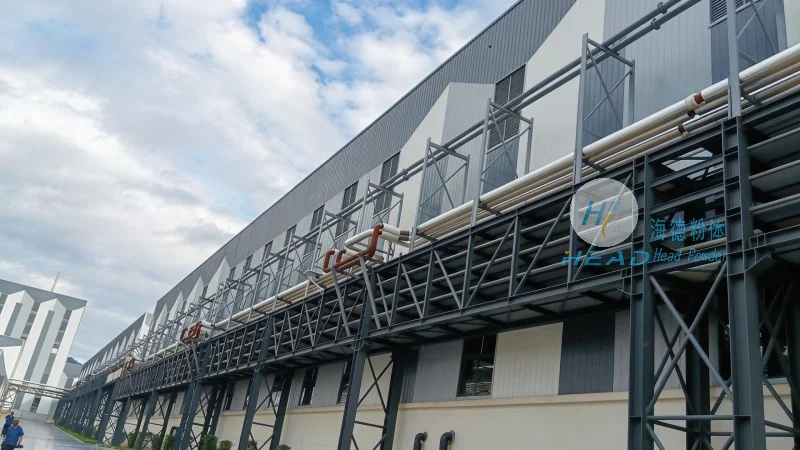
The pneumatic conveying system for compound fertilizers typically consists of several key components, each playing a vital role in the overall operation. The primary elements include a hopper or storage silo for material storage, a feeder mechanism to control the flow rate of the fertilizer, a conveying pipeline network, and a receiver or discharge unit for delivering the material to its final destination. The structural design emphasizes durability and efficiency, with materials like stainless steel or corrosion-resistant alloys used to withstand the chemical properties of the fertilizers and the abrasive nature of the granular particles. The pipeline layout is carefully engineered to minimize pressure drops and ensure smooth material flow, often incorporating bends, valves, and filters to maintain system performance and prevent blockages.
Principle of Operation
The fundamental principle behind pneumatic conveying is the use of air or gas to transport solid materials through a pipeline. In a typical system, the fertilizer is introduced into the pipeline at a controlled rate via the feeder, and a high-velocity air stream is generated to entrain the particles. The air and material mixture travels through the pipeline under pressure, with the velocity of the air sufficient to keep the particles suspended and moving forward. The system can operate in either positive pressure (pressure conveying) or negative pressure (vacuum conveying) modes, depending on the application requirements and distance of transport. Positive pressure systems are generally used for longer distances or when the material needs to be transported to a higher elevation, while negative pressure systems are suitable for shorter distances or when the material must be drawn from a lower level. The conveying process relies on the balance between the air velocity and the particle size and density, ensuring that the material remains in suspension without settling or causing blockages in the pipeline.
Advantages of Pneumatic Conveying for Compound Fertilizers
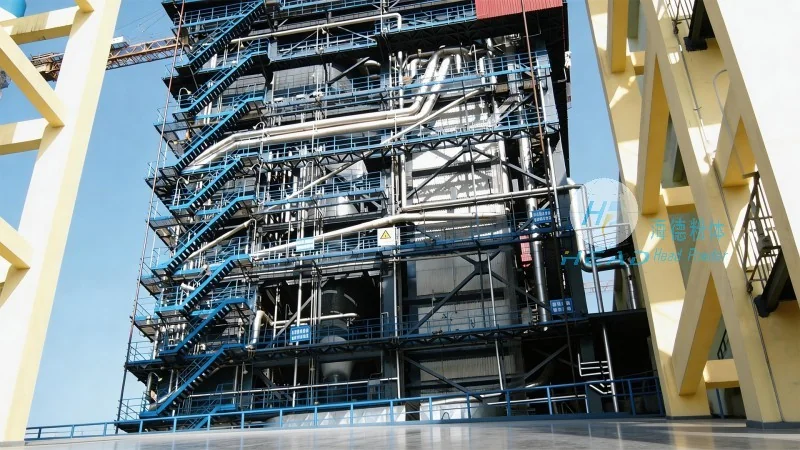
Implementing a pneumatic conveying system for compound fertilizers offers numerous benefits that enhance operational efficiency and product quality. One of the most significant advantages is the reduction in material handling time and labor costs, as the system automates the transport process from storage to processing. This automation also minimizes the risk of human error and exposure to dust or other contaminants, improving workplace safety. Additionally, the system's ability to handle varying particle sizes and moisture contents makes it versatile for different types of compound fertilizers, including those with additives or coatings. The low maintenance requirements and long service life of the equipment further contribute to cost savings over the system's operational lifespan. By optimizing the conveying process, the system also helps in reducing energy consumption and environmental impact, aligning with sustainable agricultural practices.
Application Scenarios and Customization
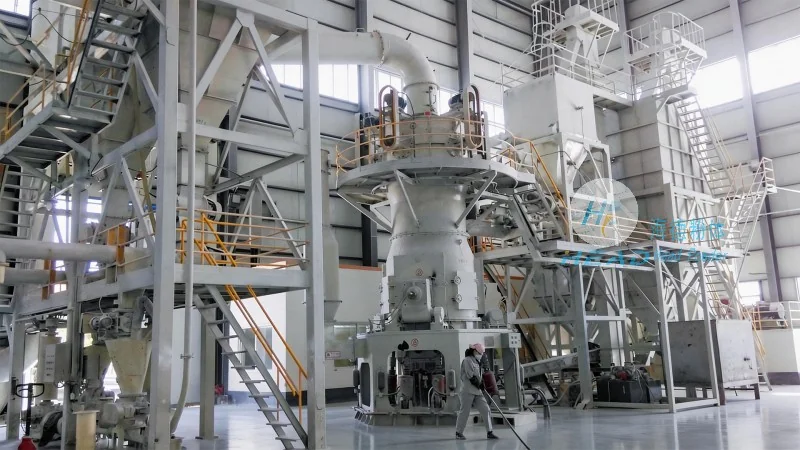
The pneumatic conveying systems designed by Shandong HeadPowder Engineering Co., Ltd. are tailored to meet the specific needs of various compound fertilizer applications. These systems are commonly used in fertilizer manufacturing plants, where they transport raw materials to production lines or finished products to storage and packaging areas. In agricultural settings, the systems may be integrated into fertilizer distribution centers, enabling the efficient transfer of bulk fertilizers to farms or retail outlets. The company's expertise in engineering and manufacturing allows for customization of the systems to accommodate different conveying distances, material characteristics, and operational requirements. Whether for short-distance intra-plant transport or long-distance inter-plant delivery, the systems are designed to provide reliable and efficient performance, ensuring that the compound fertilizers are delivered in optimal condition for their intended use.
Company Overview
Shandong HeadPowder Engineering Co., Ltd., a leading manufacturer in the field of pneumatic conveying systems, specializes in providing customized solutions for the efficient transport of compound fertilizers. With a focus on innovation and quality, the company has developed advanced systems that combine robust engineering with user-friendly operation. Headquartered in Shandong, China, the company leverages its local expertise and manufacturing capabilities to deliver reliable equipment that meets the demanding requirements of modern fertilizer production and distribution. The company's commitment to customer satisfaction and technological advancement has established it as a trusted partner in the agricultural and industrial sectors, offering solutions that enhance productivity and operational efficiency.