

Introduction to and Structural Principles of Pneumatic Conveying of Sand Particles
Pneumatic conveying of sand particles is a critical process in various industrial applications, particularly in the construction, mining, and manufacturing sectors. This method involves transporting solid particles like sand through a pipeline using a stream of air or other gas. The technology offers several advantages over traditional methods such as belt conveyors or bucket elevators, including reduced maintenance, lower labor costs, and the ability to handle materials in a dust-free environment. Understanding the basics of this process and its underlying structural principles is essential for optimizing operations and ensuring efficiency in material handling systems.
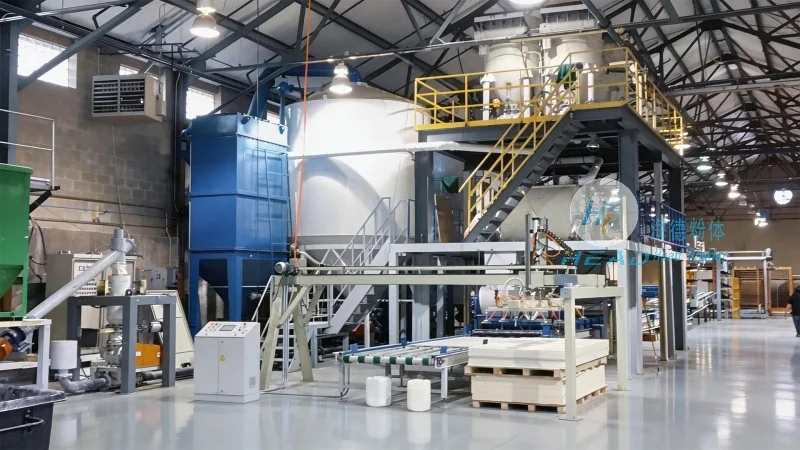
Key Components of Pneumatic Conveying Systems
A typical pneumatic conveying system for sand particles consists of several key components that work in tandem to achieve effective material transport. The primary components include a material feed hopper, a conveyor pipeline, a fan or blower to generate the air flow, and a discharge outlet or receiver. The feed hopper is designed to store and meter the sand particles into the system, ensuring a consistent flow rate. The pipeline, often made of metal or plastic, is the conduit through which the sand and air mixture travels. The fan or blower provides the necessary pressure and velocity to move the particles along the pipeline. Finally, the discharge outlet allows the sand to be released into the target location, such as a storage silo or processing unit. Each component plays a crucial role in the overall efficiency and reliability of the system.
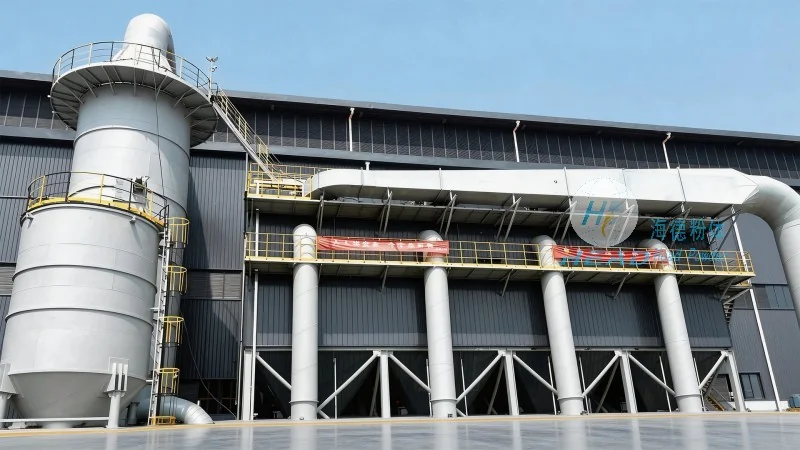
Structural Principles of Pneumatic Conveying
The structural principles of pneumatic conveying systems are based on the interaction between the solid particles and the air stream. The most common types of pneumatic conveying are pressure and vacuum systems. In pressure systems, the fan is located at the discharge end, creating a positive pressure that pushes the material through the pipeline. This method is suitable for short to medium distances and can handle a wide range of particle sizes and densities. Vacuum systems, on the other hand, have the fan at the intake end, creating a negative pressure that draws the material into the pipeline. These systems are ideal for long-distance transport and are often used in applications where the material needs to be transported from a remote source to a processing facility. The design of the pipeline, including its diameter, length, and bends, is critical to maintaining the air flow and preventing blockages or pressure losses. Properly sized and positioned components ensure that the system operates smoothly and efficiently.
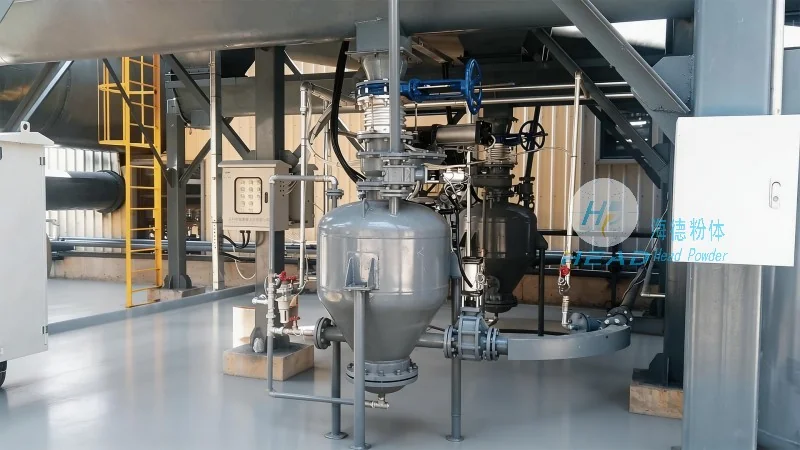
Advantages and Applications in Sand Handling
Pneumatic conveying of sand particles offers numerous advantages that make it a preferred choice in many industrial settings. One of the main benefits is the ability to transport materials in a closed system, which helps to minimize dust emissions and maintain a clean working environment. This is particularly important in applications where dust control is a regulatory requirement or where the material is sensitive to contamination. Additionally, pneumatic systems can handle a variety of particle sizes and shapes, including fine sand and coarse aggregates, without the need for additional processing. The flexibility of the system allows for easy integration into existing production lines and can be adapted to different operational needs. In the construction industry, for example, pneumatic conveying is used to transport sand from storage silos to mixing plants or concrete batching units. In mining operations, it is employed to move sand from extraction sites to processing facilities. The efficiency and reliability of pneumatic conveying make it an attractive option for companies looking to improve their material handling processes.
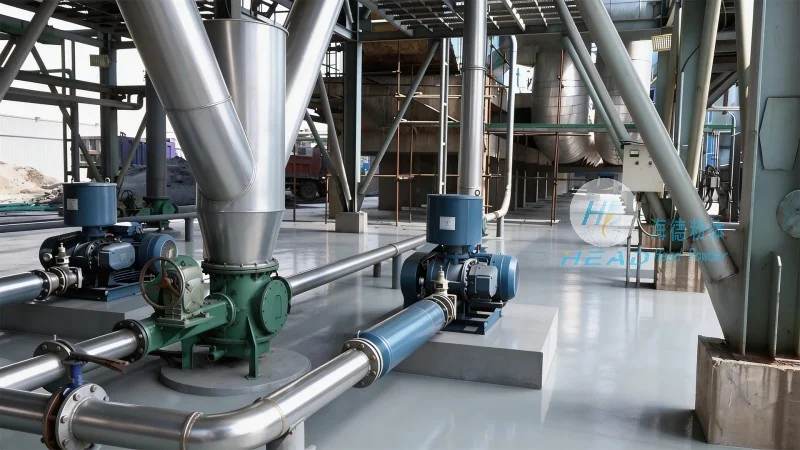
Company Profile: Shandong HeadPowder Engineering Co., Ltd.
HeadPowder, a leading provider of engineering solutions for material handling, specializes in the design, manufacturing, and installation of pneumatic conveying systems. With a focus on innovation and customer satisfaction, the company has established itself as a trusted partner in the industry. HeadPowder's team of experienced engineers and technicians work closely with clients to understand their specific needs and develop customized solutions that meet their operational requirements. The company's facilities are equipped with state-of-the-art technology and equipment, ensuring that all products are manufactured to the highest standards of quality and performance. HeadPowder's commitment to excellence has earned it a reputation for delivering reliable and efficient pneumatic conveying systems that help clients improve their productivity and reduce operational costs. Based in Shandong, China, HeadPowder serves clients both domestically and internationally, providing comprehensive support from initial consultation to long-term maintenance and service.