

Introduction to Micropowder Pneumatic Conveying Systems: Structure and Working Principles
HeadPowder, a leading enterprise in the field of pneumatic conveying technology, specializes in the design, manufacturing, and application of micropowder pneumatic conveying systems. With a strong presence in Shandong, China, the company has established itself as a trusted provider of efficient and reliable solutions for handling fine powders in various industrial sectors.
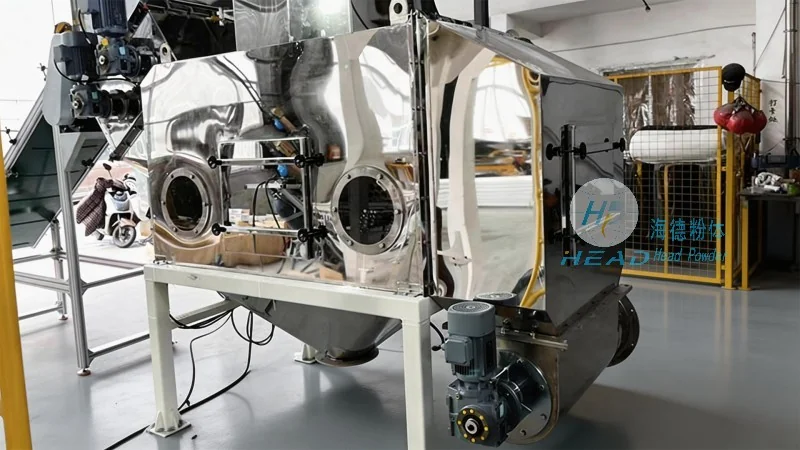
Overview of Micropowder Pneumatic Conveying Systems
Micropowder pneumatic conveying systems are engineered to transport fine powders, such as microbeads and other granular materials, through a pipeline using compressed air or other gas. This method offers a dust-free, hygienic, and efficient means of material handling, making it ideal for industries that require precise control over powder flow and minimal contamination. The systems are designed to handle materials with particle sizes typically ranging from 1 to 500 microns, ensuring optimal performance for a wide range of applications.
Key Components and Structural Principles
The core structure of a micropowder pneumatic conveying system consists of several critical components that work in concert to achieve effective material transport. These include the material feed hopper, which stores and feeds the powder into the system; the air compressor or blower, which generates the necessary airflow to move the material; the pipeline network, which transports the powder-air mixture; and the discharge hopper or receiver, which collects the conveyed material at the destination. Each component is carefully designed to ensure seamless operation and minimal energy consumption.
The material feed hopper is equipped with a feeding mechanism, such as a rotary valve or a screw feeder, that controls the flow rate of the micropowder into the system. This ensures a consistent supply of material, preventing blockages and maintaining stable conveying conditions. The air compressor or blower is selected based on the specific requirements of the application, including the material's density, particle size, and the desired conveying distance. It generates the required pressure and airflow to overcome the resistance in the pipeline and move the powder efficiently.
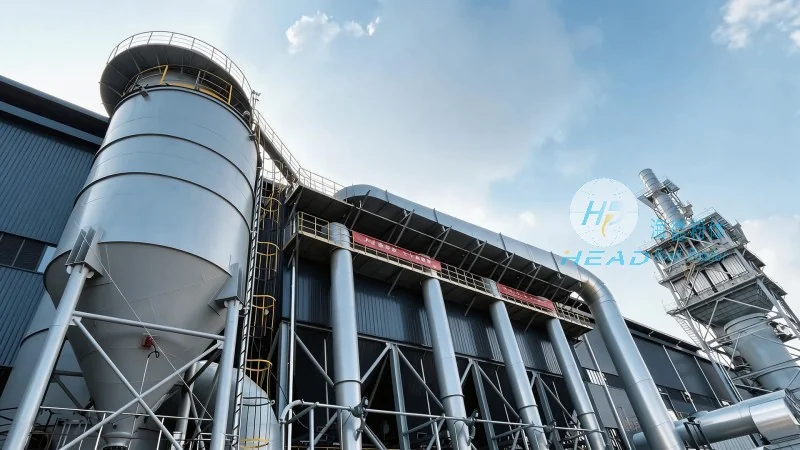
The pipeline network is constructed from materials that are resistant to corrosion and wear, such as stainless steel or special plastic composites, to ensure durability and long-term performance. The design of the pipeline, including the use of bends, elbows, and expansion joints, is optimized to minimize pressure loss and maintain the integrity of the powder-air mixture. The discharge hopper or receiver is equipped with a dust collection system, such as a cyclone separator or a bag filter, to capture any fine particles that may escape during the conveying process, ensuring environmental compliance and product purity.
Working Principle of the System
The operation of a micropowder pneumatic conveying system follows a straightforward yet highly effective principle. The process begins with the material being fed from the hopper into the pipeline. Simultaneously, the air compressor supplies compressed air to the pipeline, creating a flow that draws the powder particles into the air stream. As the powder particles are entrained by the air, they are carried along the pipeline to the discharge point. The velocity of the air and the particle size determine the conveying velocity, with larger particles requiring higher air velocities to maintain suspension.
During the conveying process, the powder-air mixture travels through the pipeline, encountering various components such as bends and valves. The system is designed to maintain a stable flow rate and pressure, ensuring that the material reaches the destination without segregation or degradation. The discharge hopper collects the material, and the air is either vented to the atmosphere or recirculated back to the system, depending on the specific design and application requirements. This closed-loop or semi-closed-loop operation helps to minimize air consumption and maintain energy efficiency.
Advantages and Applications
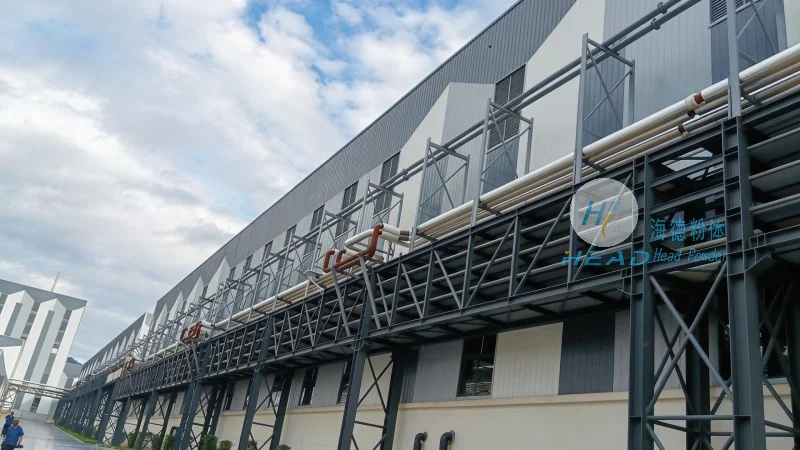
Micropowder pneumatic conveying systems offer several advantages over traditional mechanical conveying methods. These include the ability to handle fine powders without the need for mechanical contact, reducing the risk of contamination and product degradation. The systems are also highly flexible, allowing for easy integration into existing production lines and the ability to convey materials over long distances with minimal loss. Additionally, the dust-free operation of the system enhances workplace safety and compliance with environmental regulations.
The applications of micropowder pneumatic conveying systems are diverse and span multiple industries. In the pharmaceutical sector, these systems are used to transport active pharmaceutical ingredients (APIs) and other fine powders with strict purity requirements. In the food industry, they are employed to handle food-grade powders, such as sugar, flour, and spices, ensuring hygienic and contamination-free processing. The chemical industry also utilizes these systems for transporting various chemical powders, including pigments, dyes, and catalysts. Furthermore, in the manufacturing of microelectronics and other high-tech products, micropowder conveying systems are essential for handling fine powders used in the production of components and devices.
Conclusion
HeadPowder Engineering Co., Ltd., based in Shandong, China, provides comprehensive solutions for micropowder pneumatic conveying systems, combining advanced technology with expert engineering to meet the diverse needs of industrial applications. The company's commitment to quality, efficiency, and reliability ensures that its systems deliver optimal performance and contribute to the success of its clients' operations. As the demand for efficient and hygienic material handling continues to grow, micropowder pneumatic conveying systems remain a critical component in modern industrial processes, offering a sustainable and effective solution for transporting fine powders.