

Introduction to Dense Phase Pneumatic Conveying Equipment: Structure and Working Principle Explanati
HeadPowder, a leading enterprise in the field of pneumatic conveying technology, specializes in the design, manufacturing, and supply of dense phase pneumatic conveying systems. Based in Shandong, China, the company has established itself as a trusted provider of efficient and reliable solutions for material handling in various industrial sectors. This article provides an overview of dense phase pneumatic conveying equipment, detailing its structural components and operational principles to help users understand its functionality and applications.
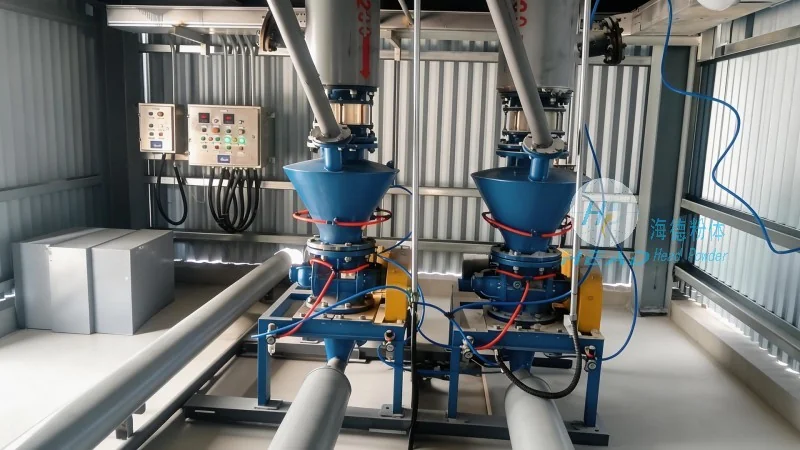
Understanding Dense Phase Pneumatic Conveying
Dense phase pneumatic conveying is a method of transporting bulk materials through a pipeline using a combination of air and pressure. Unlike dilute phase systems that rely on high-velocity air to suspend particles, dense phase conveying operates at lower air velocities, resulting in a higher material concentration in the conveying stream. This approach offers several advantages, including reduced material degradation, lower energy consumption, and improved control over the conveying process. The technology is particularly suitable for handling abrasive, fragile, or sensitive materials that require gentle handling during transport.
Key Structural Components of Dense Phase Pneumatic Conveying Equipment
The dense phase pneumatic conveying system consists of several critical components that work in tandem to ensure efficient material transport. These components include:
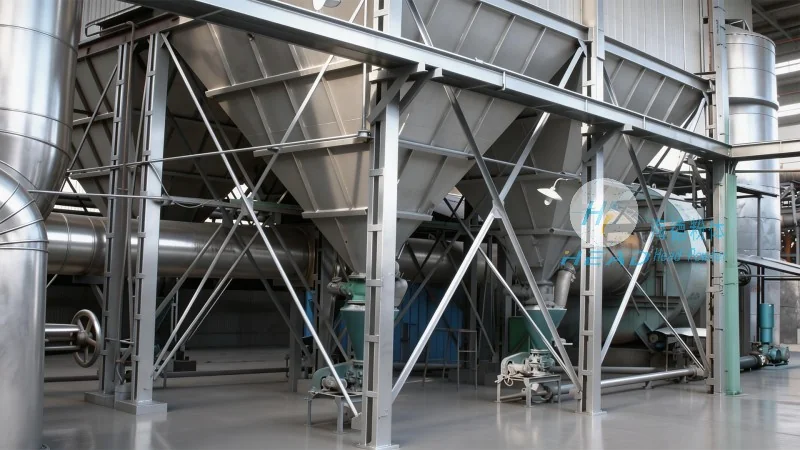
- Conveying Pipeline: The main channel through which the material and air mixture travels. The pipeline is typically made of durable materials such as stainless steel or plastic to withstand the pressure and abrasive nature of the conveyed materials.
- Feeder: A device used to introduce the bulk material into the conveying system at a controlled rate. The feeder ensures a consistent flow of material, preventing blockages and maintaining system efficiency. Common types of feeders include rotary valves, screw feeders, and vibratory feeders, each designed for specific material characteristics and operational requirements.
- Compressor or Blower: The power source that generates the necessary air pressure to move the material through the pipeline. The choice of compressor or blower depends on the system's capacity, material properties, and required pressure levels. High-pressure blowers are often used in dense phase systems to achieve the higher pressure needed for effective material transport.
- Control Valves: These components regulate the flow of air and material within the system. They include check valves, pressure relief valves, and flow control valves, which help maintain system stability and prevent overpressure or underflow conditions.
- Receiver or Discharge Unit: The terminal component where the conveyed material is collected. The receiver is designed to handle the material's characteristics, such as its bulk density and flowability, ensuring smooth discharge and preventing material buildup or spillage.
Working Principle of Dense Phase Pneumatic Conveying
The operation of a dense phase pneumatic conveying system involves several sequential steps that ensure the material is transported efficiently and safely. The process typically begins with the material being fed into the system at a controlled rate by the feeder. Simultaneously, the compressor or blower supplies compressed air to the pipeline, creating a pressure differential that drives the material forward.
As the material enters the pipeline, it mixes with the air under pressure, forming a dense slurry-like mixture. The high pressure and low air velocity prevent the material from being fully suspended, instead allowing it to move in a plug flow or slug flow pattern. This mode of transport minimizes material degradation and ensures that fragile or sensitive particles are handled gently. The mixture then travels through the conveying pipeline to the receiver or discharge unit, where the material is separated from the air and collected.
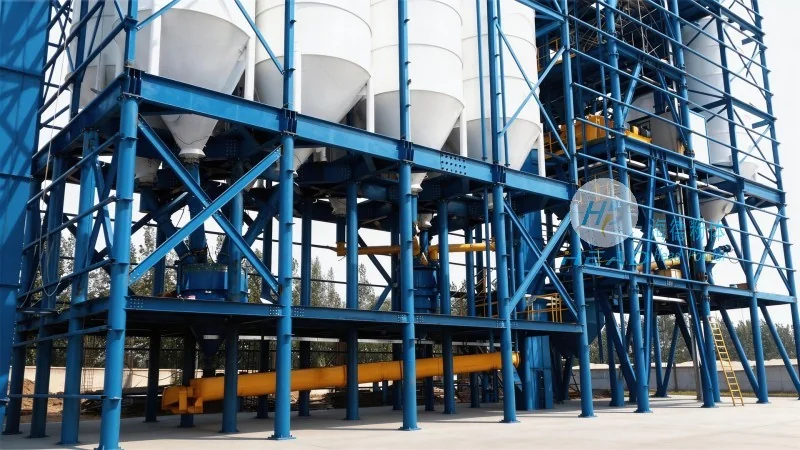
Advantages of Dense Phase Pneumatic Conveying
Dense phase pneumatic conveying offers numerous benefits that make it an attractive solution for material handling applications. Some of the key advantages include:
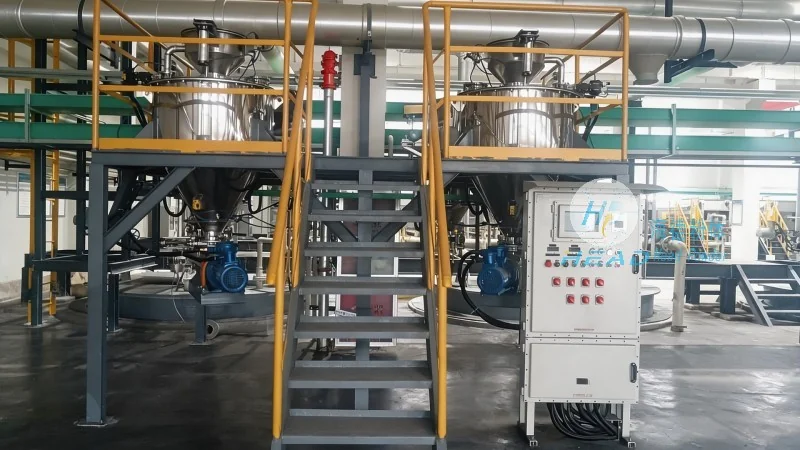
- Efficient Material Transport: The system can transport materials over long distances with minimal pressure drop, making it suitable for both short and long-haul applications.
- Reduced Material Degradation: The lower air velocities and higher material concentration in dense phase systems prevent abrasion and impact damage to the conveyed material, preserving its quality and integrity.
- Energy Efficiency: Compared to other material handling methods, dense phase pneumatic conveying can be more energy-efficient, especially when operating at lower air velocities and pressures.
- Flexibility and Versatility: The technology can handle a wide range of materials, including powders, granules, and bulk solids, making it suitable for various industrial applications such as chemical processing, food processing, and pharmaceutical manufacturing.
- Space Efficiency: The compact design of dense phase conveying systems allows for installation in confined spaces, reducing the overall footprint of the material handling infrastructure.
Applications of Dense Phase Pneumatic Conveying Equipment
Dense phase pneumatic conveying equipment is widely used in various industries due to its ability to handle diverse materials with precision and efficiency. Some common applications include:
- Chemical Industry: Transporting chemicals, powders, and granules in manufacturing processes, ensuring safe and controlled handling of hazardous materials.
- Food and Beverage Industry: Conveying ingredients such as flour, sugar, and spices in food processing plants, maintaining hygiene and preventing contamination.
- Pharmaceutical Industry: Handling active pharmaceutical ingredients (APIs) and other sensitive materials with strict quality control requirements, ensuring compliance with regulatory standards.
- Mineral and Mining Industry: Transporting ores, minerals, and other bulk materials from mining sites to processing facilities, improving operational efficiency and reducing transportation costs.
- Plastics and Rubber Industry: Conveying raw materials and finished products in manufacturing processes, enhancing production line integration and material flow management.
Conclusion
HeadPowder's dense phase pneumatic conveying equipment represents a reliable and efficient solution for material handling in modern industrial applications. By understanding the structural components and working principles of these systems, users can make informed decisions about implementing dense phase pneumatic conveying in their operations. The technology's advantages, including reduced material degradation, energy efficiency, and versatility, make it a preferred choice for industries requiring precise and gentle material transport. With its headquarters in Shandong, China, HeadPowder continues to innovate and provide high-quality solutions to meet the evolving needs of the material handling industry.