

Introduction to Ammonium Bicarbonate Pneumatic Conveying Equipment: Structure and Working Principle
Ammonium bicarbonate, a widely used chemical in various industrial applications, requires efficient and reliable handling systems for safe and effective transportation. The pneumatic conveying equipment designed specifically for ammonium bicarbonate is a critical component in modern chemical processing and material handling operations. This article provides an overview of the equipment, its structural design, and the underlying working principles that enable its efficient operation.
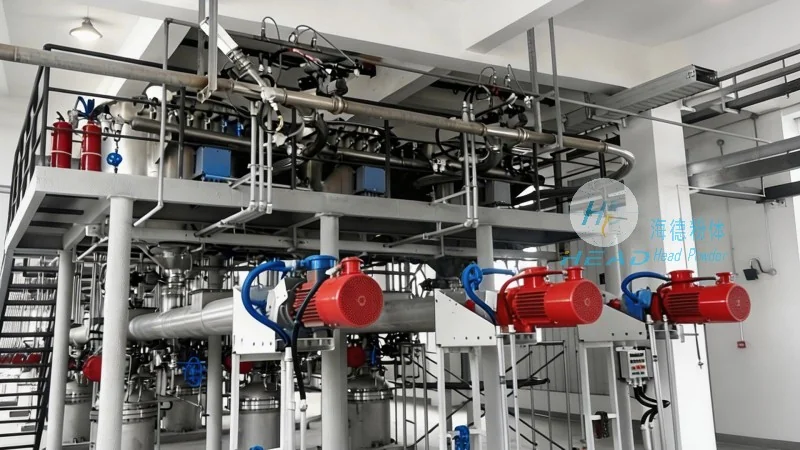
Overview of Ammonium Bicarbonate Pneumatic Conveying Equipment
The pneumatic conveying system for ammonium bicarbonate is engineered to handle the unique properties of this chemical, including its granular or powdery form, and the need for controlled, dust-free transfer. The equipment is typically composed of several key components that work in tandem to ensure the safe and efficient movement of the material from the source to the destination. These components include the hopper, feeder, conveying line, and discharge unit, each playing a vital role in the overall system performance.
Structural Design of the Pneumatic Conveying System
The structural design of the ammonium bicarbonate pneumatic conveying equipment is tailored to meet the specific requirements of handling this chemical. The hopper is designed with a wide, sloped bottom to prevent material bridging and ensure consistent flow. The feeder, often a rotary valve or a screw feeder, is integrated to provide a controlled and steady discharge of the material into the conveying line. The conveying line itself is constructed from materials that are resistant to chemical corrosion, such as stainless steel or specialized plastics, to prevent degradation and ensure durability. The discharge unit is equipped with a filter or a cyclone separator to capture any fine particles and maintain a clean environment.
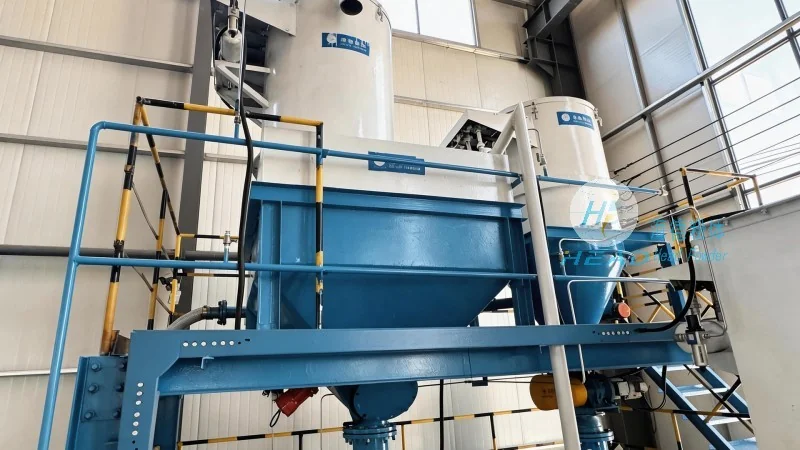
Working Principle of the Pneumatic Conveying System
The working principle of the pneumatic conveying system for ammonium bicarbonate relies on the use of air or gas to transport the material. The process begins with the material being fed into the conveying line from the hopper. As the air is introduced into the line, it creates a low-pressure zone that draws the material along with it. The combination of the air flow and the material's momentum ensures that the ammonium bicarbonate is transported efficiently through the system. The system may operate in either a positive or negative pressure mode, depending on the specific application and the distance the material needs to be conveyed. The positive pressure system uses compressed air to push the material through the line, while the negative pressure system uses suction to draw the material.
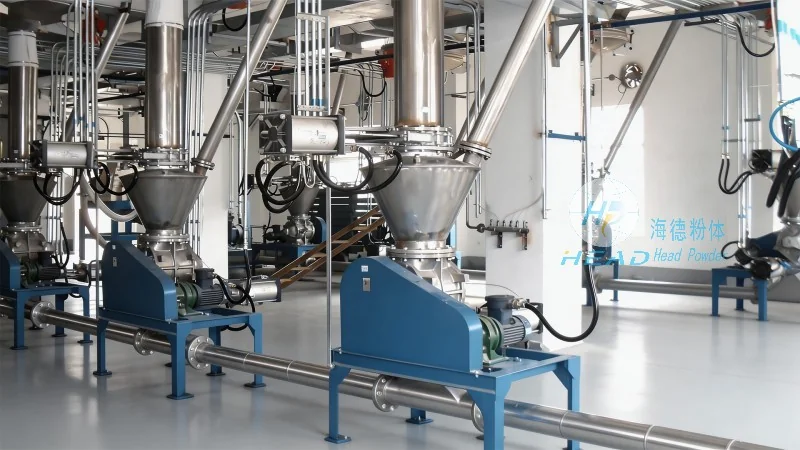
Key Features and Advantages of the Equipment
The pneumatic conveying equipment for ammonium bicarbonate offers several advantages over traditional methods of material handling. One of the primary benefits is the ability to handle the material in a dust-free environment, which is crucial for maintaining safety and compliance with environmental regulations. The system also provides a continuous and controlled flow of material, reducing the risk of blockages and ensuring consistent production rates. Additionally, the equipment is designed to be compact and space-efficient, making it suitable for installations in various industrial settings. The use of corrosion-resistant materials ensures long-term durability and minimal maintenance requirements, contributing to overall operational efficiency.
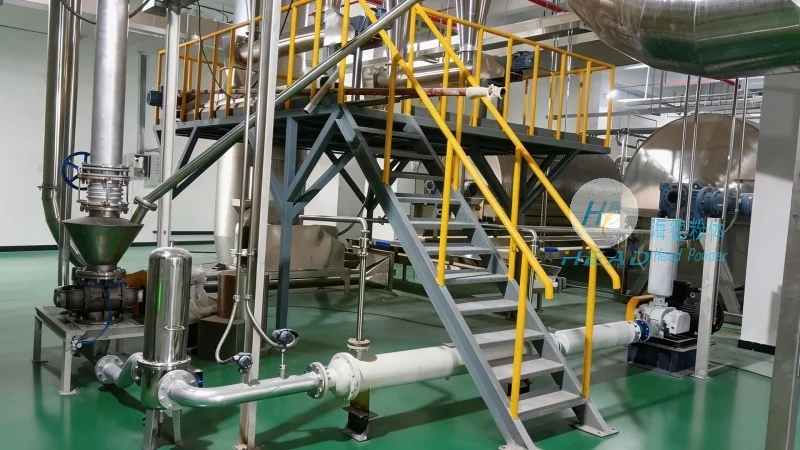
Applications and Industries Served
The ammonium bicarbonate pneumatic conveying equipment is widely used in various industries that require the handling of this chemical. These include the fertilizer industry, where ammonium bicarbonate is used as a nitrogen source in fertilizer production. The equipment is also utilized in the food and beverage industry, where it is used as a leavening agent or a food additive. Additionally, the chemical and pharmaceutical industries rely on this equipment for the safe and efficient transfer of ammonium bicarbonate in various production processes.
Company Information: Shandong HeadPowder Engineering Co., Ltd.
HeadPowder, a leading manufacturer of pneumatic conveying equipment, specializes in providing customized solutions for the handling of various chemicals, including ammonium bicarbonate. With a strong commitment to quality and innovation, the company has established itself as a trusted partner in the chemical processing industry. HeadPowder's equipment is designed and manufactured in China, with a focus on meeting the specific needs of its clients. The company's headquarters is located in Shandong, China, and it serves customers worldwide with its reliable and efficient pneumatic conveying systems.