

Introduction to the Structure and Working Principle of Calcium Carbonate Powder Pneumatic Conveying
Calcium carbonate powder, a widely used industrial material, requires efficient and reliable transport systems to meet production demands. The pneumatic conveying equipment designed for calcium carbonate powder processing plays a crucial role in ensuring smooth material handling. This equipment is engineered to handle the unique properties of calcium carbonate, such as its fine particle size and low bulk density, while maintaining high conveying efficiency and minimal material loss. The following sections will provide a detailed overview of the structure and working principles of this specialized equipment, along with insights into its application in industrial settings.
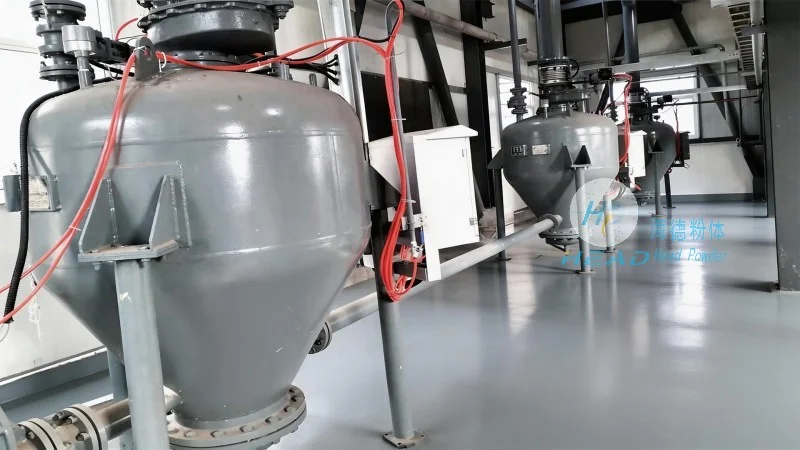
Key Components and Structural Design
The calcium carbonate powder pneumatic conveying system typically consists of several core components that work in tandem to achieve effective material transport. The primary components include the hopper, feeder, air compressor, conveying line, and receiver. Each component is designed with specific considerations to optimize performance for calcium carbonate powder. The hopper is responsible for storing the raw material and maintaining a consistent feed rate, while the feeder ensures a controlled and steady flow of powder into the conveying line. The air compressor generates the necessary pressure and airflow to move the powder particles through the system. The conveying line, often made of corrosion-resistant materials like stainless steel or polyethylene, is designed to withstand the abrasive nature of calcium carbonate particles and prevent blockages. The receiver collects the conveyed powder and allows for easy discharge. The structural design emphasizes durability, ease of maintenance, and compatibility with the material's characteristics, ensuring long-term operational reliability.
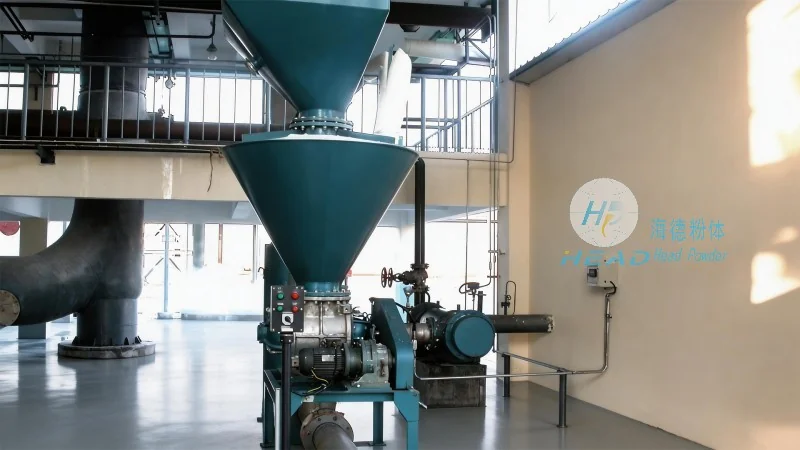
Working Principle of Pneumatic Conveying
The working principle of the calcium carbonate powder pneumatic conveying equipment is based on the use of compressed air to transport the material. When the feeder introduces the powder into the conveying line, the air compressor supplies high-pressure air. This air creates a flow that lifts and propels the powder particles through the system. The velocity of the air is critical; it must be sufficient to overcome the gravitational force acting on the particles and maintain a stable suspension. The conveying line's design, including its diameter and length, is optimized to maintain the air-powder mixture in a homogeneous state, preventing particle separation or settling. The receiver then captures the powder as the air pressure decreases, allowing the material to settle and be collected. This process is continuous and can be adjusted to handle varying material volumes and particle sizes, making it adaptable to different production scales.
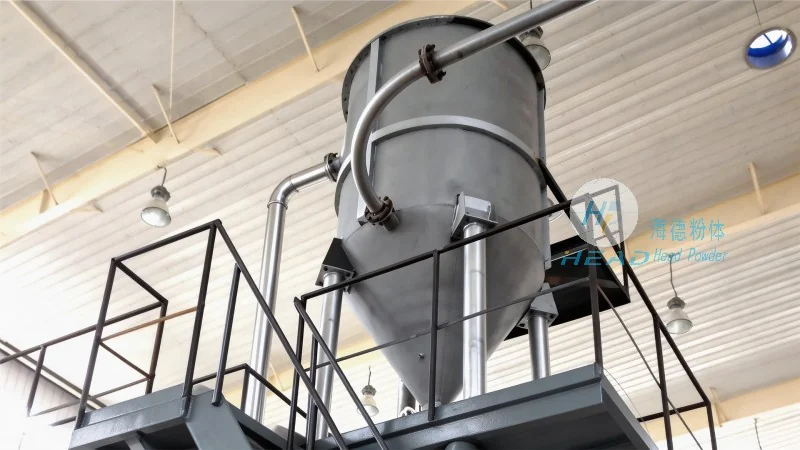
Advantages and Applications in Industrial Production
The calcium carbonate powder pneumatic conveying equipment offers several advantages that make it an ideal choice for industrial applications. One of the key benefits is its ability to handle fine and abrasive materials without causing excessive wear or damage to the system components. This is particularly important for calcium carbonate, which can be prone to caking or agglomeration if not handled properly. The equipment also provides a dust-free and hygienic conveying process, which is essential for maintaining product quality and meeting regulatory standards. Additionally, the system can be integrated with other processing equipment, such as grinding mills or classifiers, to form a complete production line. This integration enhances overall efficiency and reduces the need for manual handling, improving workplace safety. The equipment is widely used in industries such as paper, plastics, coatings, and food processing, where calcium carbonate is a common additive or filler. Its versatility and reliability make it a preferred solution for material transport in these sectors.
Maintenance and Operational Considerations
Proper maintenance is essential to ensure the long-term performance and efficiency of the calcium carbonate powder pneumatic conveying equipment. Regular inspection of components such as the hopper, feeder, and conveying line is necessary to detect any signs of wear or damage. The air compressor should be checked for proper pressure and airflow, as any fluctuations can affect the conveying performance. Cleaning the system, especially the conveying line and receiver, is crucial to prevent the accumulation of powder and reduce the risk of blockages. The use of appropriate filters and separators can help maintain the air quality and prevent dust contamination. Operational considerations also include monitoring the feed rate and air pressure to ensure optimal performance. Adjusting these parameters based on the material's characteristics and production requirements can improve efficiency and reduce energy consumption. By following these maintenance and operational guidelines, the equipment can operate at peak performance, minimizing downtime and maximizing productivity.
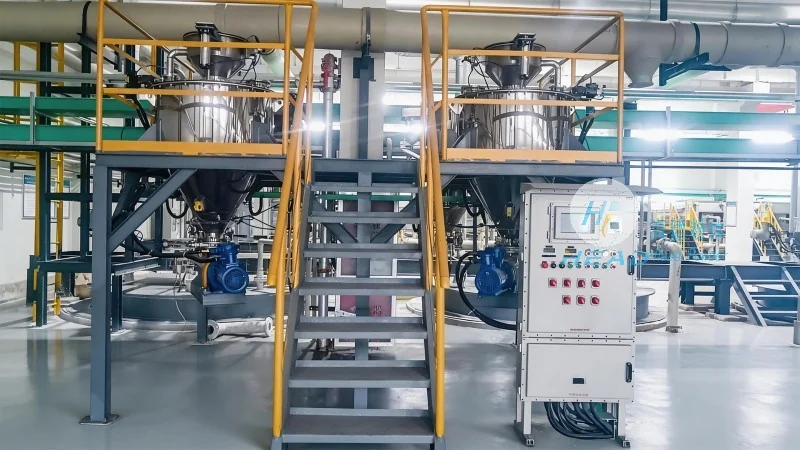
Conclusion
In conclusion, the calcium carbonate powder pneumatic conveying equipment is a sophisticated and reliable system designed to handle the unique challenges of transporting fine, abrasive materials. Its structural design and working principles are tailored to the properties of calcium carbonate, ensuring efficient and safe material transport. The equipment offers significant advantages in terms of performance, durability, and operational flexibility, making it a valuable asset in various industrial applications. By understanding the key components, working principles, and maintenance requirements, users can effectively utilize this equipment to enhance their production processes and meet the demands of the market. The continued development and optimization of such systems will further improve their efficiency and adaptability, supporting the growth of industries that rely on calcium carbonate as a critical material.