

Introduction to Phosphorus Pentoxide Pneumatic Conveying Equipment: Structure and Working Principle
Phosphorus pentoxide (P₂O₅) is a critical industrial chemical widely used in various applications, including chemical synthesis, pharmaceuticals, and as a desiccant. The efficient handling and transportation of this substance require specialized equipment to ensure safety, reliability, and optimal performance. This article provides an overview of the pneumatic conveying equipment designed for handling phosphorus pentoxide, detailing its structure and operational principles.
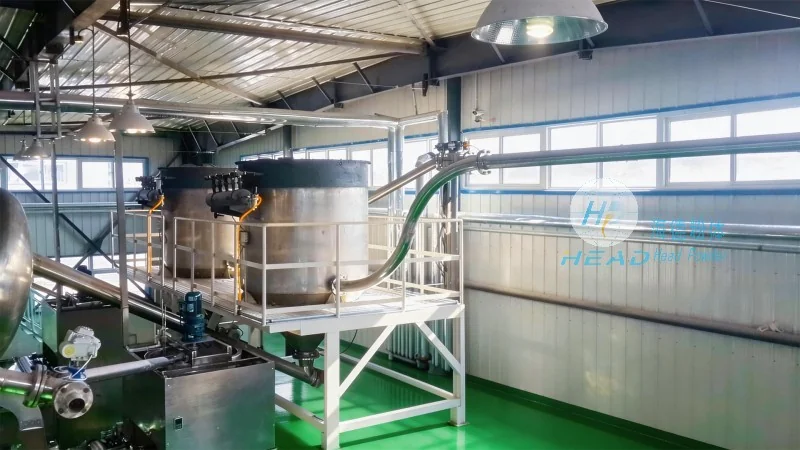
Overview of P₂O₅ Pneumatic Conveying Systems
HeadPowder, a leading manufacturer based in Shandong, China, specializes in the design and production of advanced pneumatic conveying systems tailored for handling hazardous and fine powders like phosphorus pentoxide. The company's expertise lies in creating equipment that meets stringent safety standards while ensuring high efficiency in material transport. The pneumatic conveying system for phosphorus pentoxide typically operates by using air or other gases to transport the powder through a pipeline network. This method is preferred over traditional mechanical conveying due to its ability to handle fine powders without the risk of clogging or material degradation.
Key Components of the Pneumatic Conveying Equipment
The phosphorus pentoxide pneumatic conveying system consists of several essential components that work in tandem to ensure smooth operation. The primary components include a hopper for material storage, a rotary valve or feeder to control the flow of powder, a conveying line (usually made of stainless steel or other corrosion-resistant materials), a pressure vessel or receiver to collect the material at the destination, and a dust collector to manage airborne particles. Each component is designed to handle the unique properties of phosphorus pentoxide, such as its hygroscopic nature and potential reactivity with moisture.
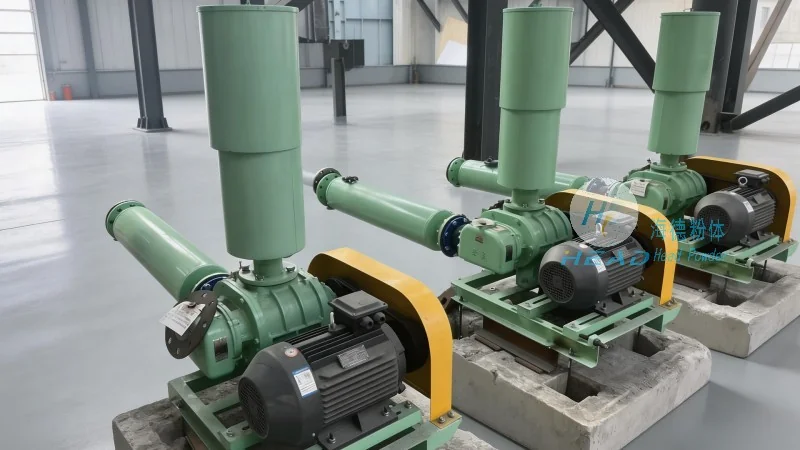
Working Principle of the Pneumatic Conveying Process
The operation of the phosphorus pentoxide pneumatic conveying system follows a systematic process. First, the material is fed from the hopper into the conveying line through the rotary valve. The feeder regulates the flow rate to maintain consistent pressure and velocity within the pipeline. As the gas (often air under pressure) is introduced into the line, it creates a flow that entrains the powder particles, forming a dense or dilute phase mixture depending on the system design. The conveying line transports the mixture to the destination, where it is collected in the receiver. The receiver may include a filter or cyclone to separate the powder from the gas, ensuring that the material is deposited in a controlled manner. The gas is then typically recycled back into the system or vented to the atmosphere, depending on the system configuration and safety requirements.
Advantages of Using Pneumatic Conveying for Phosphorus Pentoxide
Employing pneumatic conveying for phosphorus pentoxide offers several advantages over other material handling methods. Firstly, it eliminates the need for mechanical components that could cause contamination or damage to the fine powder. The system is also highly flexible, allowing for changes in the conveying route or destination without significant modifications. Additionally, pneumatic conveying can handle long distances and multiple transfer points, making it suitable for large-scale industrial operations. The equipment is designed with safety features to prevent dust explosions, such as explosion-proof motors and pressure relief valves, ensuring compliance with industrial safety regulations.
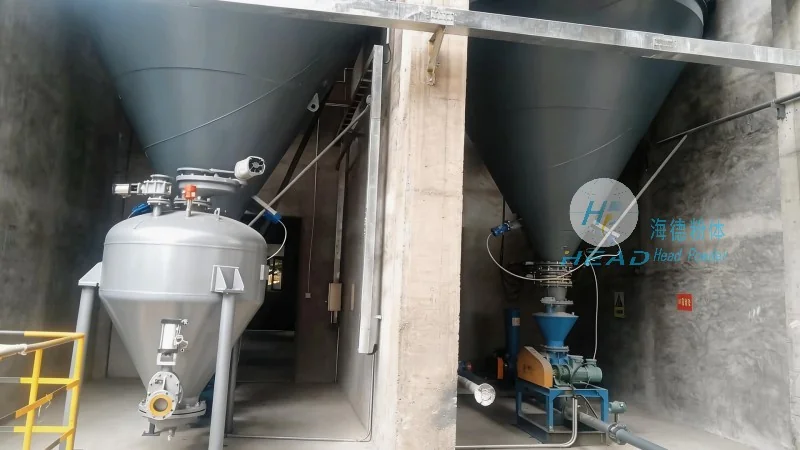
Applications and Industries Served
The phosphorus pentoxide pneumatic conveying equipment from HeadPowder is utilized in various industries that require the handling of this chemical. These include chemical manufacturing, pharmaceutical production, and food processing. In chemical manufacturing, the equipment is used to transport phosphorus pentoxide for the production of fertilizers, detergents, and other chemical products. In the pharmaceutical industry, it is employed in the production of drugs that require phosphorus-based compounds. The food processing industry uses the system to handle phosphorus pentoxide as a desiccant or in the production of food additives. The equipment's ability to maintain the purity and integrity of the material makes it ideal for these applications.
Conclusion
HeadPowder's phosphorus pentoxide pneumatic conveying equipment represents a reliable and efficient solution for handling this critical industrial chemical. The system's design, incorporating advanced components and operational principles, ensures safe and effective transportation while adhering to industry standards. By leveraging pneumatic conveying technology, industries can improve their material handling processes, reduce operational costs, and enhance overall productivity. With its headquarters in Shandong, China, HeadPowder continues to provide high-quality equipment tailored to the specific needs of its clients, supporting the growth and development of various industries that rely on phosphorus pentoxide.