

Introduction to Polyethylene Resin Powder Pneumatic Conveying Equipment: Structure and Working Princ
HeadPowder, a leading manufacturer in the field of material handling and processing, specializes in providing advanced solutions for the efficient transportation of polyethylene resin powders. This article provides a comprehensive overview of the pneumatic conveying equipment designed for polyethylene resin powder, detailing its structural design and operational principles to help users understand its functionality and benefits.
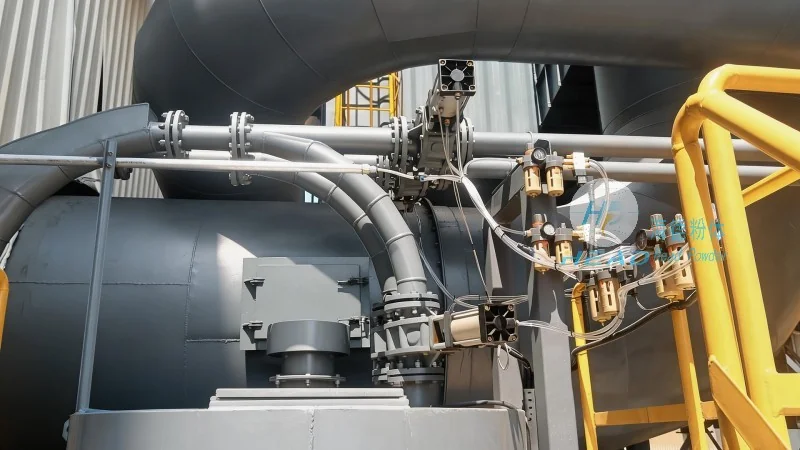
Company Profile: Shandong HeadPowder Engineering Co., Ltd.
HeadPowder, the brand under Shandong HeadPowder Engineering Co., Ltd., is headquartered in Shandong, China. With a strong commitment to innovation and quality, the company has established itself as a trusted provider of pneumatic conveying systems and related engineering solutions. Our team of experienced engineers and technicians focuses on developing reliable equipment that meets the stringent requirements of the plastic manufacturing industry, ensuring optimal performance and durability for various applications.
Overview of Pneumatic Conveying Equipment for Polyethylene Resin Powder
Pneumatic conveying systems are widely used in the plastic industry to transport polyethylene resin powders from storage silos to processing units. These systems utilize air or gas as the conveying medium, enabling the efficient movement of powders without the need for mechanical components like belts or screws. The equipment typically consists of several key components, including a hopper, a feeder, a conveying line, and a receiver, each playing a crucial role in the overall operation.
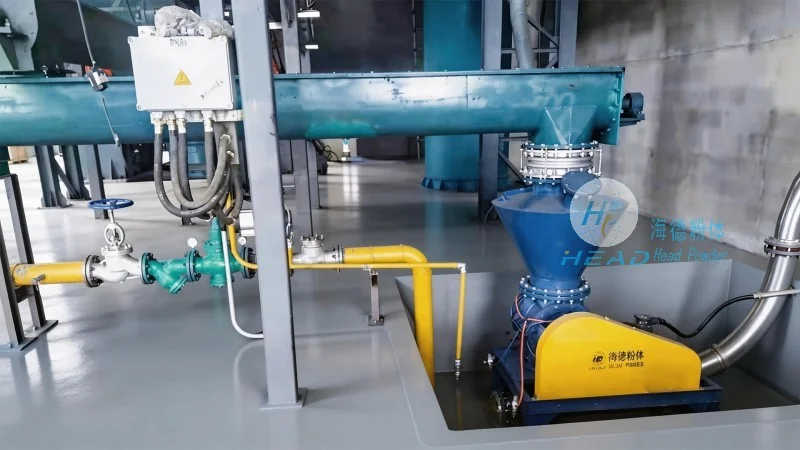
Structural Components and Design
The structural design of the polyethylene resin powder pneumatic conveying equipment is engineered to handle the specific characteristics of polyethylene powders, such as their fine particle size and potential for static electricity. The hopper is designed with a conical or rectangular shape to ensure uniform material flow and prevent bridging or caking. The feeder, often a rotary valve or a venturi feeder, controls the flow rate of the resin powder into the conveying line. The conveying line, made of corrosion-resistant materials like stainless steel or plastic, is equipped with pressure regulators and filters to maintain consistent air pressure and particle quality. The receiver, where the polyethylene resin powder is deposited, is designed to minimize dust emissions and ensure easy access for maintenance.
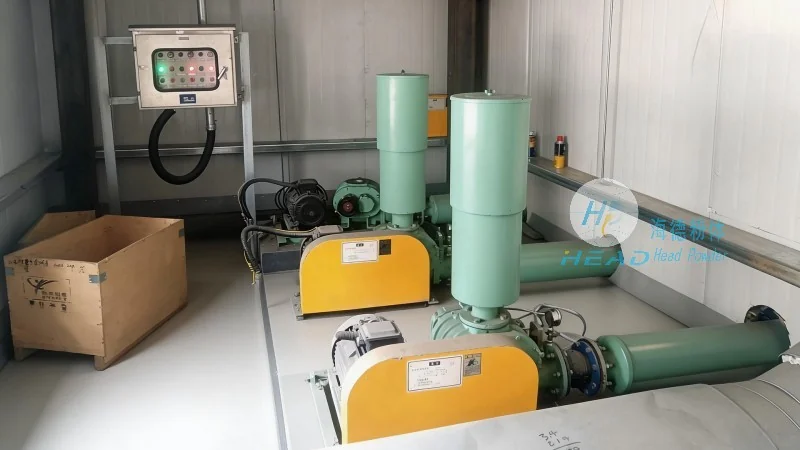
Working Principle of the Pneumatic Conveying System
The operation of the pneumatic conveying system for polyethylene resin powder involves several steps. First, the polyethylene resin powder is fed into the hopper from the storage silo. The feeder then meters the powder into the conveying line at a controlled rate. Simultaneously, a fan or blower generates a flow of air or gas that creates a pressure differential within the system. This pressure differential draws the polyethylene resin powder particles into the conveying line, where they are carried by the air stream to the receiver. The air and powder mixture then passes through a filter or cyclone separator, which separates the powder from the air. The purified air is then discharged, while the polyethylene resin powder is collected in the receiver, ready for further processing.
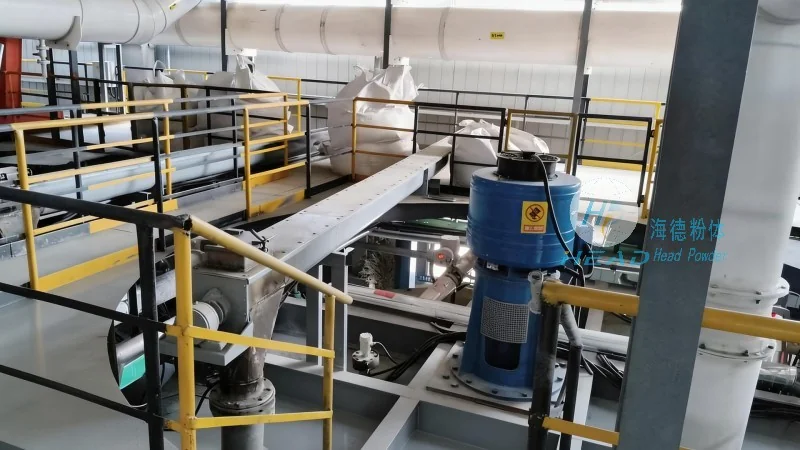
Advantages and Applications
The pneumatic conveying equipment for polyethylene resin powder offers several advantages over traditional mechanical conveying methods. These include reduced maintenance costs, improved safety by eliminating the need for moving parts in the powder handling area, and enhanced product quality by minimizing contamination and exposure to moisture. The system is particularly suitable for applications in plastic manufacturing, where the efficient and reliable transport of polyethylene resin powders is critical for production efficiency. Whether used in injection molding, extrusion, or other processing operations, this equipment ensures consistent material flow and helps maintain the quality of the final products.
Conclusion
Shandong HeadPowder Engineering Co., Ltd. provides high-quality pneumatic conveying equipment for polyethylene resin powder, combining advanced engineering with robust construction to meet the demands of modern plastic manufacturing. By understanding the structural design and working principles of this equipment, users can make informed decisions about its application and benefits. HeadPowder's commitment to quality and innovation ensures that their products deliver reliable performance and contribute to the efficiency and success of their clients' operations.