

Introduction to the Structure and Working Principle of Pneumatic Conveying Equipment for Lithium-Ion
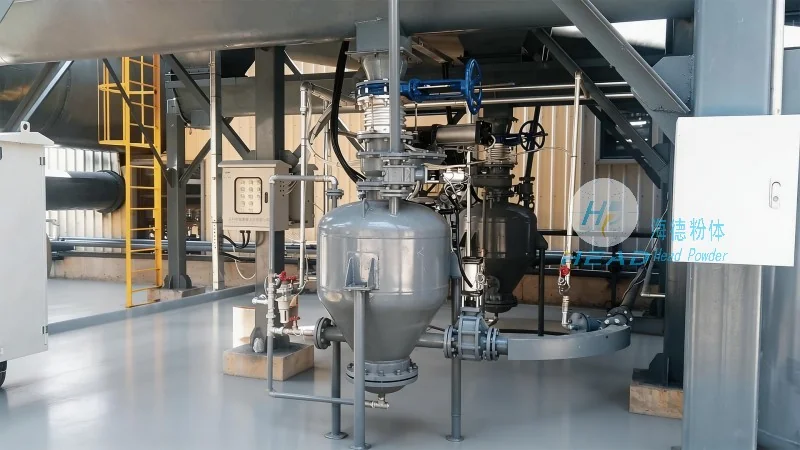
HeadPowder, a leading manufacturer in the field, specializes in the design and production of advanced pneumatic conveying systems tailored for the handling of lithium-ion battery positive electrode materials. This equipment is crucial for efficient material transport in the battery manufacturing process, ensuring high precision and minimal contamination. The following sections provide an overview of the equipment's structure and operational principles.
Company Profile: Shandong HeadPowder Engineering Co., Ltd.
HeadPowder, operating from its base in Shandong, China, is dedicated to delivering high-quality engineering solutions for material handling in the battery industry. With a focus on innovation and precision, the company has established itself as a trusted partner for businesses requiring reliable equipment for processing lithium-ion battery components. The company's expertise lies in the development of customized pneumatic conveying systems that meet the stringent requirements of modern battery production lines.
Key Features of the Pneumatic Conveying Equipment
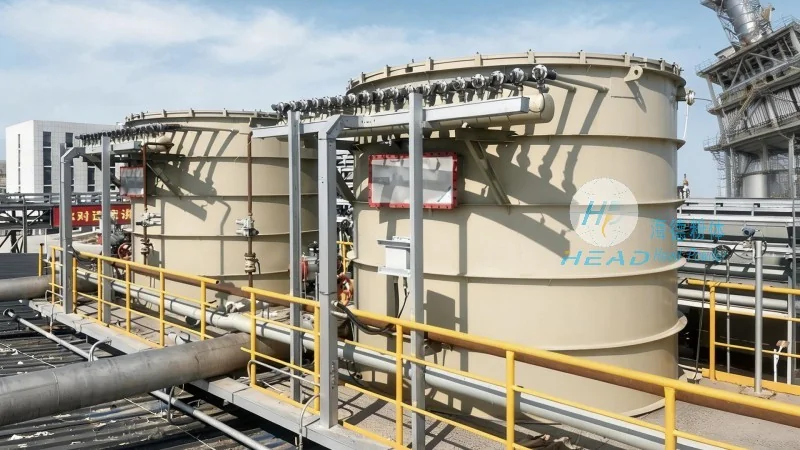
The pneumatic conveying equipment for lithium-ion battery positive electrode materials is engineered to handle fine powders and granules with exceptional accuracy. Key features include a robust material feed system, which ensures consistent and controlled material intake, and a high-efficiency conveying pipeline that minimizes particle degradation and loss. The system incorporates advanced control mechanisms to regulate air flow and pressure, optimizing the conveying process for different material types and production volumes. Additionally, the equipment is designed with safety and maintenance in mind, featuring easy-to-access components and automated monitoring systems that enhance operational reliability.
Structural Components and Working Principle
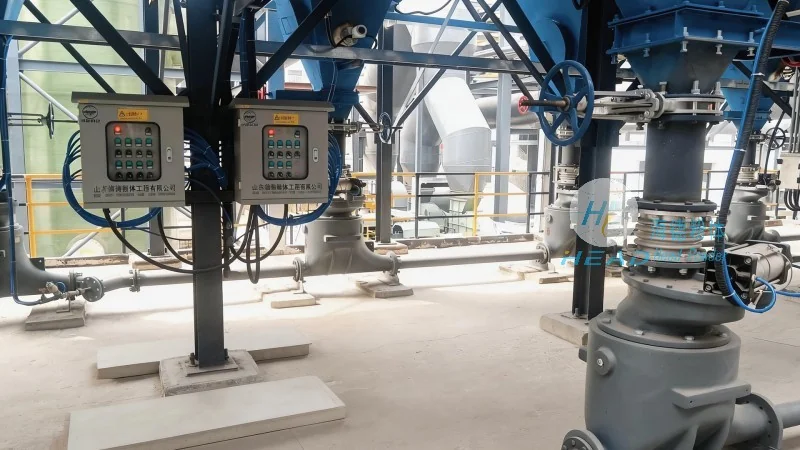
The pneumatic conveying system consists of several critical components that work in tandem to achieve efficient material transport. The primary structure includes a hopper for material storage, a feeder to control the flow rate, a conveying pipeline with appropriate air distribution, and a receiver for the delivered material. The working principle is based on the use of compressed air to create a flow that propels the material particles through the pipeline. As air is introduced into the system, it creates a low-pressure zone that draws the material into the pipeline, where it is carried to the destination. The system can operate in both dilute-phase and dense-phase modes, depending on the material characteristics and required transport efficiency. Dilute-phase conveying uses higher air velocities to transport material in a dispersed state, while dense-phase conveying employs lower air velocities to move material in a more concentrated form, reducing the risk of material degradation and ensuring a smoother delivery process.
Applications and Benefits in Battery Manufacturing
This pneumatic conveying equipment is specifically designed for the handling of lithium-ion battery positive electrode materials, such as lithium cobalt oxide (LiCoO₂), lithium iron phosphate (LiFePO₄), and other cathode compounds. The equipment offers several benefits, including improved material handling efficiency, reduced labor costs, and enhanced product quality. By minimizing material exposure to external contaminants and maintaining consistent particle size distribution, the system contributes to higher battery performance and longer lifespan. Additionally, the equipment's compact design and modular construction allow for easy integration into existing production lines, making it a versatile solution for various battery manufacturing facilities.
Quality Assurance and Technical Support
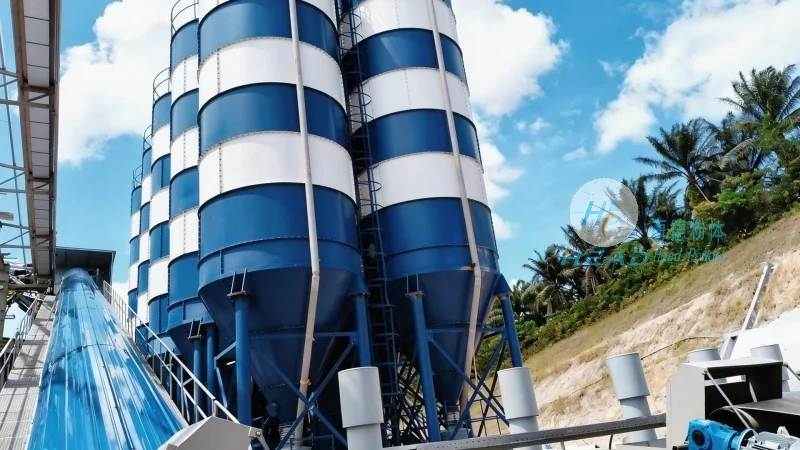
HeadPowder places a strong emphasis on quality assurance throughout the manufacturing process. Each piece of equipment undergoes rigorous testing to ensure compliance with industry standards and customer specifications. The company provides comprehensive technical support, including installation guidance, operational training, and ongoing maintenance services. This commitment to quality and customer service ensures that clients receive reliable equipment that meets their production needs and delivers long-term value. With a focus on continuous improvement, HeadPowder remains at the forefront of material handling technology for the battery industry.