

Introduction to Unattended Feeding Pneumatic Conveying Systems: Structure and Working Principles
Unattended feeding pneumatic conveying systems represent a sophisticated solution in material handling, designed to operate autonomously without constant human intervention. These systems are integral to modern industrial processes, offering efficient, reliable, and safe material transport across various applications. The following overview delves into the core structure and operational principles of such systems, alongside insights into the company specializing in their design and implementation.
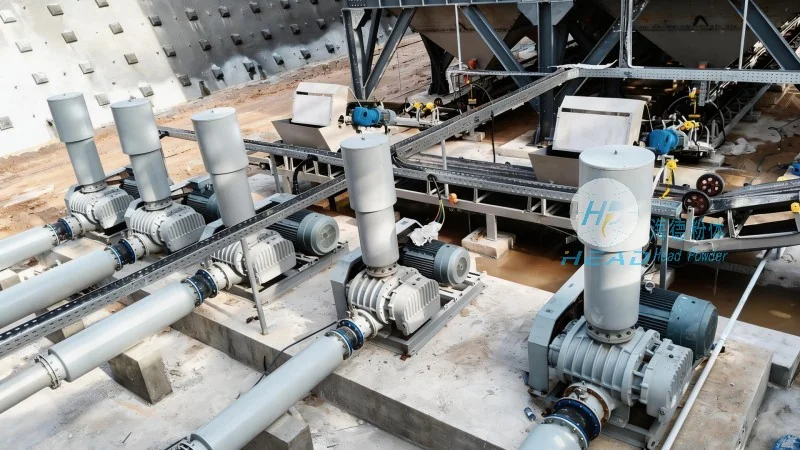
Core Components and Structural Design of Unattended Feeding Pneumatic Conveying Systems
The unattended feeding pneumatic conveying system comprises several key components that work in tandem to ensure seamless material transport. At the heart of the system is the feeding unit, which is responsible for introducing bulk materials into the conveying line. This unit may include hoppers, rotary valves, or screw feeders, depending on the material characteristics and flow requirements. The feeding mechanism is engineered to handle a wide range of materials, from powders and granules to fine particles, ensuring consistent and controlled feed rates.
Following the feeding unit is the pneumatic conveying pipeline, which serves as the primary pathway for material transport. These pipelines are typically made of stainless steel or other corrosion-resistant materials to accommodate diverse material types and environmental conditions. The design of the pipeline, including bends, elbows, and straight sections, is optimized to minimize pressure loss and ensure smooth material flow. The system may utilize either positive or negative pressure (or a combination of both) to move materials through the pipeline, with the choice depending on the material's properties and the required conveying distance.
A critical component in the system is the separation and collection unit. This unit is responsible for separating the conveyed material from the air stream and collecting it in a designated container or storage bin. The separation process often involves cyclones, filters, or other separation devices that effectively separate the material based on its density and particle size. The collected material is then discharged into a storage vessel, ready for further processing or use.
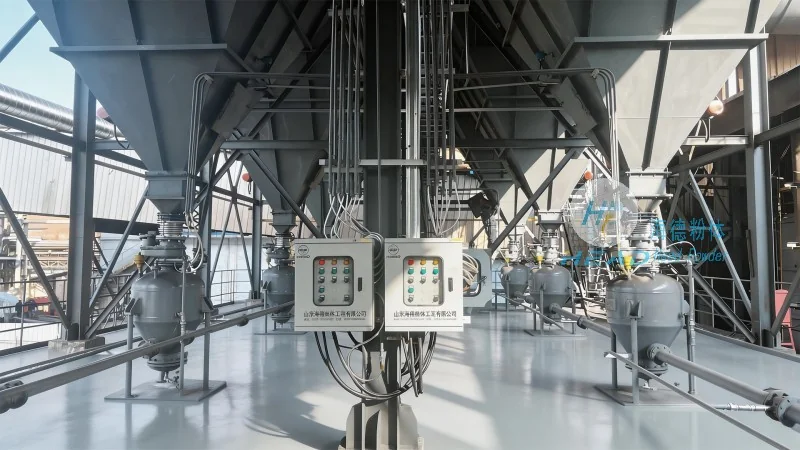
Additionally, the system includes a air source and control unit. This component provides the necessary air pressure and flow to drive the material through the pipeline. It may consist of a blower, compressor, or other air-moving equipment, along with control valves and regulators to maintain consistent pressure and flow rates. The control unit also monitors system performance, ensuring optimal operation and alerting operators to any issues that may arise.
Working Principles of Unattended Feeding Pneumatic Conveying Systems
The operation of an unattended feeding pneumatic conveying system follows a systematic process that ensures efficient material transport. The sequence typically begins with the material being fed into the system from the feeding unit. The material is then entrained by the air stream, which carries it through the conveying pipeline. As the material travels, it experiences various forces, including drag and lift, which help maintain its suspension in the air.
Upon reaching the separation unit, the material is separated from the air stream. The separation process relies on the difference in density between the material and the air, causing the material to settle out and be collected. The air, now free of material, is either recirculated back to the system or vented to the atmosphere, depending on the system design and environmental regulations.
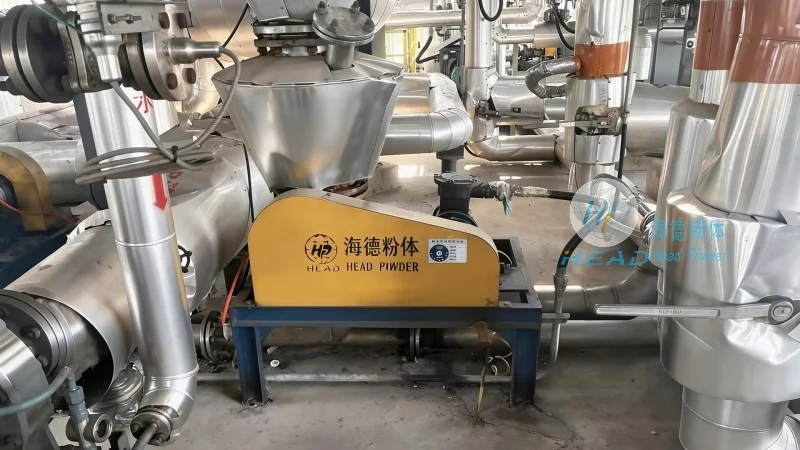
The entire process is automated, with the system operating based on pre-set parameters and feedback from sensors. This automation allows for continuous operation without the need for constant human supervision. The system can be programmed to start and stop based on material levels in the hopper or storage bin, ensuring that material is conveyed only when needed and preventing overfilling or underfilling.
Advantages of Unattended Feeding Pneumatic Conveying Systems
Unattended feeding pneumatic conveying systems offer several key advantages that make them an attractive choice for industrial applications. One of the primary benefits is automation and efficiency. By eliminating the need for manual feeding and monitoring, these systems can operate continuously, reducing downtime and increasing overall productivity. The automated control systems ensure consistent feed rates and material flow, minimizing variations that can affect downstream processes.
Another significant advantage is safety and reliability. The systems are designed to handle hazardous materials, such as powders that may be explosive or toxic, in a controlled environment. The enclosed pipeline and separation units prevent material spillage and exposure to personnel, enhancing workplace safety. Additionally, the automated monitoring and control features ensure that the system operates within safe parameters, reducing the risk of accidents or equipment failure.
The systems also offer flexibility and adaptability. They can be configured to handle a wide range of materials and conveying distances, making them suitable for various industrial settings. The modular design allows for easy expansion or modification as production needs change. Furthermore, the use of corrosion-resistant materials ensures that the system can withstand harsh operating conditions, extending its service life and reducing maintenance costs.
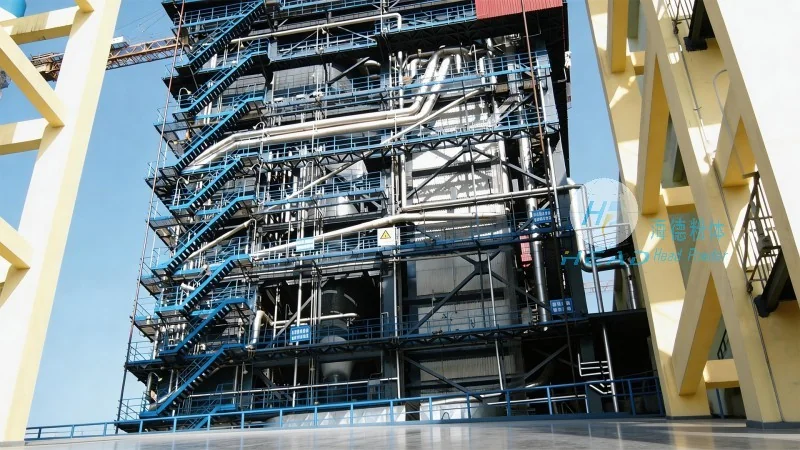
About Shandong HeadPowder Engineering Co., Ltd.
Shandong HeadPowder Engineering Co., Ltd., commonly known as headpowder, is a leading manufacturer and supplier of advanced material handling solutions, including unattended feeding pneumatic conveying systems. With a strong focus on innovation and quality, the company has established itself as a trusted partner in the industry, providing customized solutions tailored to the specific needs of its clients.
Headpowder's expertise lies in the design, development, and implementation of pneumatic conveying systems that meet the highest standards of performance and reliability. The company leverages advanced engineering techniques and state-of-the-art technology to create systems that are efficient, durable, and cost-effective. By adhering to strict quality control measures, headpowder ensures that its products are built to last and deliver consistent performance over the long term.
Headquartered in Shandong, China, headpowder serves a global clientele, providing solutions for industries such as pharmaceuticals, food processing, chemicals, and minerals. The company's commitment to customer satisfaction and technical excellence has earned it a reputation for delivering reliable and effective material handling solutions. With a team of experienced engineers and technicians, headpowder continues to innovate and advance the capabilities of unattended feeding pneumatic conveying systems, helping businesses improve their operational efficiency and productivity.