

Introduction to Mine Pneumatic Conveying Systems: Structure and Working Principles
HeadPowder, a leading manufacturer based in Shandong, China, specializes in the design, development, and implementation of advanced pneumatic conveying systems tailored for mining operations. This article provides an overview of the core components, operational principles, and technical advantages of mine pneumatic conveying lines, highlighting how these systems enhance efficiency and safety in mineral processing environments.
Core Components of Mine Pneumatic Conveying Systems
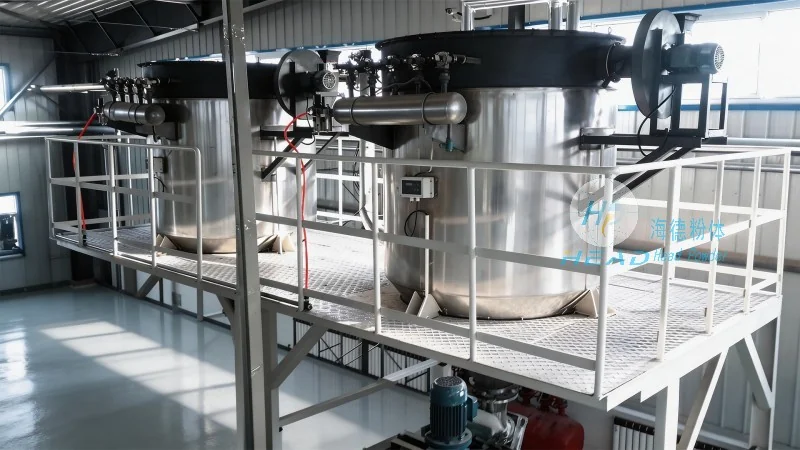
Mine pneumatic conveying systems are engineered to transport bulk materials such as ores, powders, and granules through a network of pipes using air or other gases. The fundamental structure typically includes several key components that work in concert to ensure reliable material transfer. At the heart of the system is the conveying line, which consists of a series of pipes connected to various equipment. The feeders are critical for introducing material into the system, often utilizing rotary valves or screw feeders to maintain consistent flow rates. Air movers, such as blowers or compressors, generate the necessary pressure or vacuum to propel the material through the pipeline. Additionally, separators are integrated to separate the conveyed material from the air stream, ensuring that the material is deposited accurately at the discharge point. Finally, control systems manage the operation of all components, regulating air pressure, flow rates, and material feed to optimize performance.
Working Principles of Pneumatic Conveying in Mining
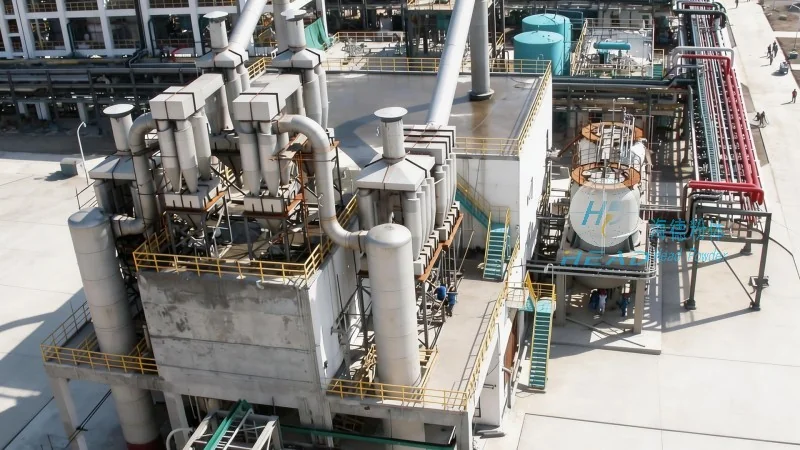
The operation of mine pneumatic conveying systems relies on the principles of fluid dynamics and particle transport. There are two primary modes of operation: pressure and vacuum systems. In pressure systems, a blower or compressor creates positive pressure within the pipeline, pushing the material forward as it mixes with the air. This method is suitable for short to medium distances and can handle a wide range of materials, including abrasive or corrosive substances. Vacuum systems, on the other hand, use a vacuum pump to create a negative pressure, drawing material into the pipeline from a hopper or storage bin. This approach is ideal for long-distance transport and for handling materials that are difficult to feed under pressure. The choice between pressure and vacuum depends on factors such as the distance between the loading and discharge points, the material characteristics, and the required throughput. Regardless of the mode, the system maintains a consistent air-to-material ratio to ensure smooth transport and prevent blockages or material degradation.
Technical Advantages and Applications in Mining
Mine pneumatic conveying systems offer several advantages over traditional mechanical conveying methods, making them a preferred choice in modern mining operations. One of the key benefits is the ability to transport materials in a closed system, which minimizes dust emissions and protects both the environment and personnel from exposure to hazardous particles. This is particularly important in underground mining where dust control is critical for worker safety and regulatory compliance. Additionally, pneumatic systems can handle a diverse range of materials, from fine powders to coarse granules, without the need for additional processing or conditioning. The flexibility of these systems allows for easy integration with existing mining infrastructure, enabling seamless material transfer between processing stages such as crushing, grinding, and screening. Furthermore, the compact design of pneumatic conveying lines reduces the footprint required for material handling, which is advantageous in confined underground spaces. The efficiency of these systems is also notable, as they can achieve high throughput with minimal energy consumption compared to other conveying methods. This makes them cost-effective for large-scale mining operations that require continuous material movement.
HeadPowder's Expertise in Mine Pneumatic Conveying Solutions
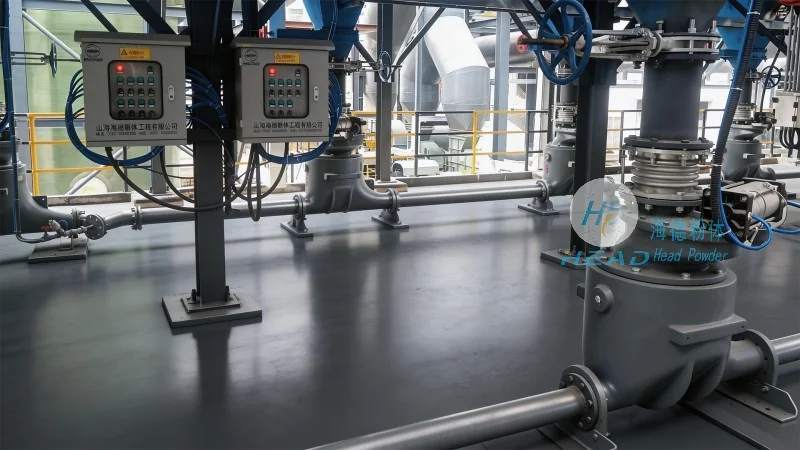
Shandong HeadPowder Engineering Co., Ltd., commonly known as HeadPowder, has established itself as a trusted provider of customized pneumatic conveying solutions for the mining industry. With a strong presence in Shandong, China, the company leverages decades of experience and advanced engineering capabilities to design systems that meet the unique challenges of each mining project. HeadPowder's team of engineers works closely with clients to understand their operational requirements, material characteristics, and budget constraints, ensuring that the final solution is both effective and cost-efficient. The company utilizes state-of-the-art design software and simulation tools to model the performance of the conveying system before installation, minimizing the risk of operational issues and optimizing performance. HeadPowder also provides comprehensive after-sales support, including maintenance services, spare parts supply, and technical training, to ensure that the system operates at peak efficiency throughout its lifecycle. By combining technical expertise with a customer-centric approach, HeadPowder delivers reliable and durable pneumatic conveying systems that enhance productivity and safety in mining operations.