

Introduction to and Structural Principles of Slurry Pneumatic Conveying Systems
Slurry pneumatic conveying systems are essential for the efficient transport of bulk materials in various industrial applications. These systems utilize air pressure to move slurries, which are mixtures of solid particles suspended in a liquid, through pipelines. Understanding the design and operational principles of such systems is crucial for optimizing material handling processes and ensuring reliable performance in industrial settings.
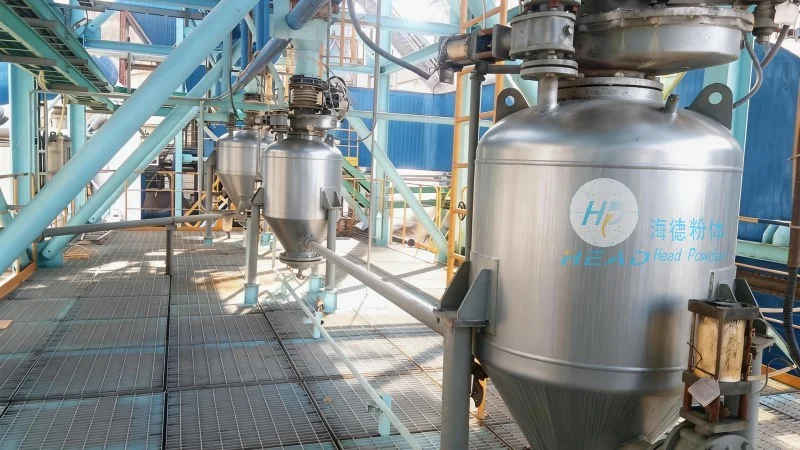
Overview of Slurry Pneumatic Conveying Systems
Slurry pneumatic conveying systems are designed to transport slurries over long distances with minimal maintenance and operational costs. The technology is widely used in industries such as mining, chemical processing, and food processing, where the transport of wet or dry bulk materials is required. The core components of a typical slurry pneumatic conveying system include a slurry pump, a conveying line, a separator, and a control system. Each component plays a vital role in ensuring the efficient and safe transport of the slurry.
Structural Components and Working Principles
The structural design of a slurry pneumatic conveying system is tailored to handle the specific characteristics of the slurry being transported. Key components include the feed hopper, which holds the slurry before it is pumped into the system, and the slurry pump, which provides the necessary pressure to move the slurry through the pipeline. The conveying line, typically made of durable materials like stainless steel or plastic, is designed to withstand the pressure and abrasion caused by the slurry. At the receiving end, a separator is used to separate the solid particles from the liquid, allowing for the recovery of the liquid and the disposal or reuse of the solids.
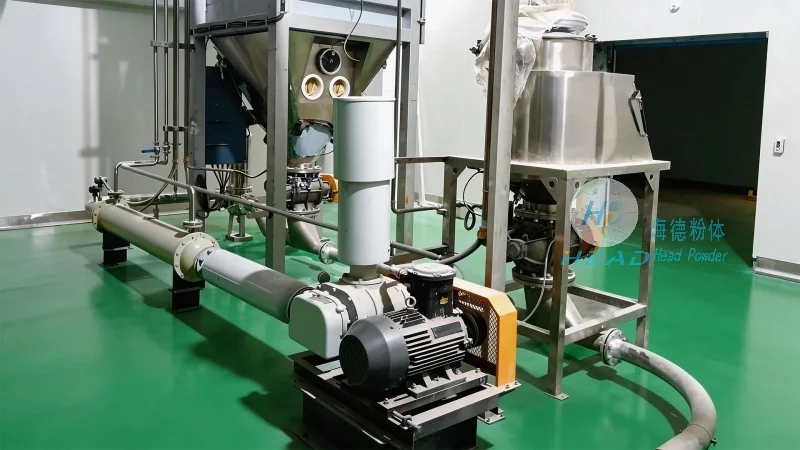
Operational Efficiency and Maintenance Considerations
Efficient operation of slurry pneumatic conveying systems depends on several factors, including the proper selection of pump capacity, pipeline diameter, and air pressure. Regular maintenance is essential to ensure the longevity and reliability of the system. This includes monitoring the condition of the pump seals, checking for leaks in the pipeline, and cleaning the separator to prevent clogging. Proper maintenance can significantly reduce downtime and operational costs, making slurry pneumatic conveying an economical choice for bulk material transport.
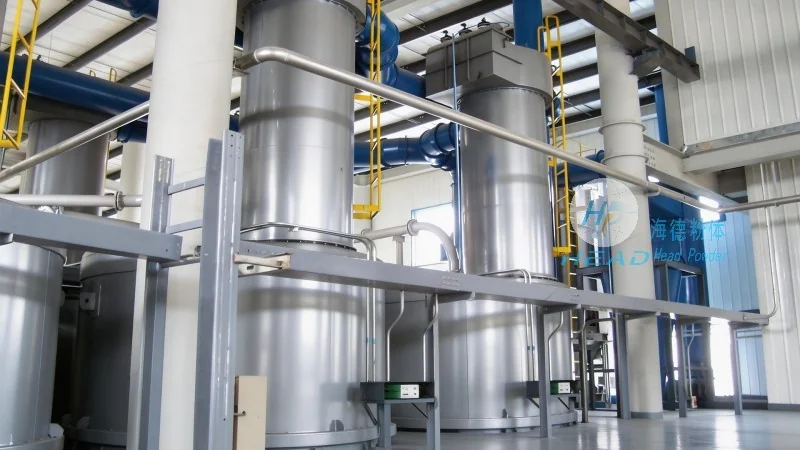
Applications and Industry Impact
Slurry pneumatic conveying systems are applied in a wide range of industrial applications, from the transport of mining tailings to the processing of food products. The technology offers several advantages over traditional methods, such as reduced labor costs, improved safety, and the ability to transport materials over long distances without the need for intermediate storage. In the mining industry, for example, slurry pneumatic conveying is used to transport tailings from the mine site to disposal areas, while in the chemical industry, it is used to transport slurries containing valuable minerals.
About HeadPowder: Your Partner in Slurry Handling Solutions
HeadPowder, a leading manufacturer of slurry handling equipment, is dedicated to providing high-quality and reliable slurry pneumatic conveying systems. With years of experience in the industry, HeadPowder has developed a range of products tailored to meet the specific needs of various industries. The company's headquarters is located in Shandong, China, where it operates a state-of-the-art manufacturing facility. HeadPowder's commitment to quality and customer satisfaction has made it a trusted partner for businesses worldwide seeking efficient and cost-effective slurry transport solutions.