

Introduction to the Structure and Working Principle of Sintering Dust Gas-Pneumatic Conveying Equipm
For industrial applications involving sintering processes, efficient handling of dust and ash byproducts is crucial. The sintering dust gas-pneumatic conveying equipment, developed by Shandong HeadPowder Engineering Co., Ltd., addresses this need with a specialized design tailored to the unique characteristics of sintering dust. This equipment plays a vital role in maintaining operational efficiency and environmental compliance in sintering plants.
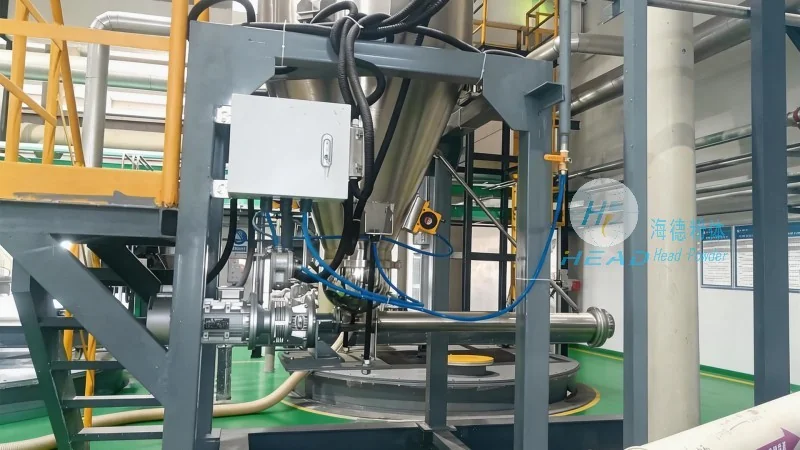
Overview of Sintering Dust Gas-Pneumatic Conveying Equipment
The sintering dust gas-pneumatic conveying system is engineered to transport sintering dust from collection points to designated storage or processing locations. It operates on the principle of pneumatic conveying, where air is used as the medium to move solid particles through a pipeline network. This method offers several advantages over traditional mechanical conveying systems, including reduced maintenance requirements, lower energy consumption, and the ability to handle dusty or abrasive materials without the need for moving parts that can wear out over time.
Key Structural Components of the Conveying System
The equipment consists of several critical components that work in tandem to ensure reliable and efficient operation. These include a dust collection hopper, a blower or air compressor, a pipeline system with appropriate fittings and valves, and a receiving hopper or silo. The dust collection hopper is designed to capture sintering dust from the sintering machine or other emission points, ensuring that the material is contained and ready for transport. The blower or air compressor provides the necessary air pressure to move the dust through the pipeline. The pipeline system is typically made of materials such as stainless steel or high-density polyethylene to withstand the abrasive nature of sintering dust and to prevent corrosion. Valves and fittings are strategically placed to control the flow of dust and air, allowing for adjustments in conveying speed and direction as needed.
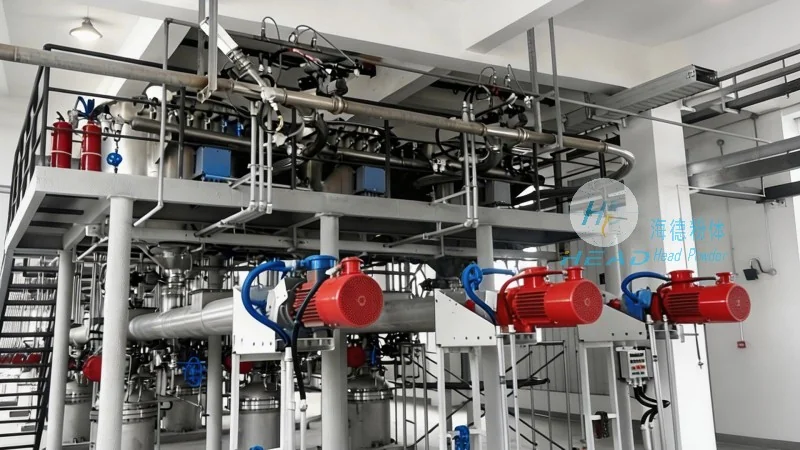
Working Principle of the Pneumatic Conveying Process
The operation of the sintering dust gas-pneumatic conveying equipment follows a systematic process. Initially, the sintering dust is collected in the hopper. The blower then generates a high-pressure air stream, which is introduced into the pipeline. As the air flows through the pipeline, it entrains the dust particles, creating a slurry-like mixture that is propelled forward. The velocity of the air stream is carefully controlled to ensure that the dust particles are fully suspended and transported without settling or clogging the pipeline. At the receiving end, the air and dust mixture is separated, typically through a cyclone separator or a filter, where the dust is collected and the clean air is released back into the environment or recirculated if necessary. This separation process ensures that the dust is delivered to its intended destination while minimizing air pollution and maintaining air quality standards.
Advantages of Using Gas-Pneumatic Conveying for Sintering Dust
Compared to other conveying methods, the gas-pneumatic system offers several benefits for handling sintering dust. First, it eliminates the need for mechanical components like belts, chains, or buckets, which are prone to wear and tear from abrasive dust particles. This reduces maintenance costs and downtime, as there are fewer moving parts to replace or repair. Second, the system is highly flexible, allowing for changes in the conveying route or capacity without major modifications to the infrastructure. This adaptability is particularly useful in sintering plants where production schedules or process layouts may change over time. Third, the pneumatic conveying method is effective in handling dusty or fine particles that are difficult to transport using traditional methods. The air stream ensures that even the smallest dust particles are fully entrained and transported, preventing loss or contamination. Finally, the system can be integrated with other dust control equipment, such as baghouses or electrostatic precipitators, to form a comprehensive dust management solution that enhances overall plant efficiency and environmental performance.
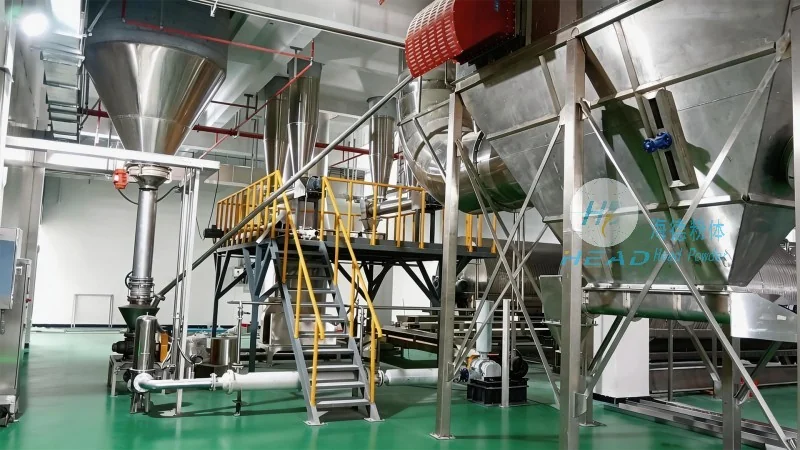
Applications and Industries Served
The sintering dust gas-pneumatic conveying equipment is primarily used in the iron and steel industry, particularly in sintering plants where raw materials are prepared for the blast furnace. However, its applications extend to other industries that generate similar dust byproducts, such as cement production, mineral processing, and waste incineration. In these industries, the equipment is used to transport dust from various points in the process, including raw material handling, grinding, and combustion stages. The versatility of the system allows it to be adapted to different dust characteristics and conveying distances, making it a reliable solution for a wide range of industrial applications.
Conclusion and Company Information
Shandong HeadPowder Engineering Co., Ltd. specializes in the design, manufacturing, and installation of advanced dust handling equipment, including the sintering dust gas-pneumatic conveying system. With a focus on innovation and customer satisfaction, the company provides customized solutions tailored to the specific needs of each client. The equipment is engineered to meet the highest standards of efficiency, reliability, and environmental compliance, ensuring that sintering plants can operate smoothly while minimizing the impact on the environment. For businesses in the iron and steel industry or other sectors that require efficient dust management, the sintering dust gas-pneumatic conveying equipment from Shandong HeadPowder Engineering Co., Ltd. offers a proven and effective solution.