

Introduction to Air-Driven Conveyors for Lithium-Ion Battery Materials and Their Structural Principl
HeadPowder, a leading manufacturer based in Shandong, China, specializes in the design and production of air-driven conveyors tailored for lithium-ion battery material handling. This article provides an overview of these specialized equipment, focusing on their structural design and operational principles to help potential clients understand their functionality and benefits.
Overview of Air-Driven Conveyors for Lithium-Ion Battery Materials
As the demand for lithium-ion batteries grows in the electric vehicle and renewable energy sectors, efficient material handling systems are critical to the production process. Air-driven conveyors, also known as pneumatic conveyors, offer a reliable and flexible solution for transporting various battery materials such as cathode powders, anode materials, and conductive additives. These systems utilize compressed air to move materials through a network of pipes, eliminating the need for mechanical components that might introduce contamination or wear over time.
Structural Components and Design Principles
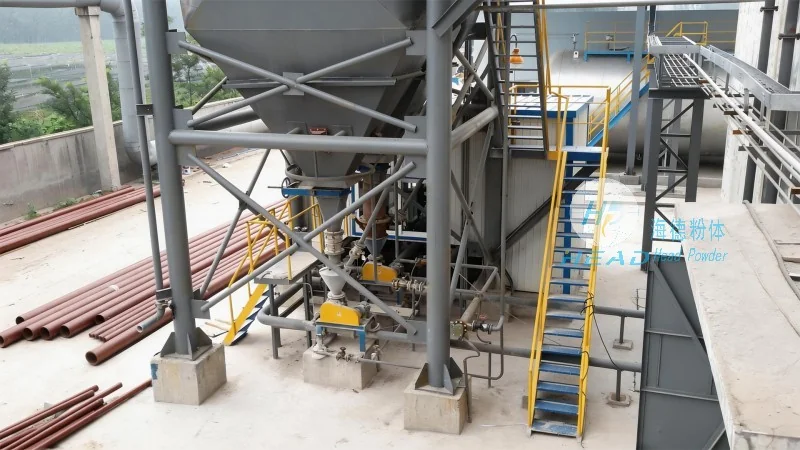
The core structure of an air-driven conveyor system consists of several key components that work in tandem to ensure smooth material transport. The main parts include the hopper, which serves as the material inlet, the airlock or feeder that controls the flow of material into the conveying line, the pipeline network that transports the material, and the discharge outlet where the material is released. Each component is engineered to handle the specific characteristics of lithium-ion battery materials, such as fine powders or granules, ensuring minimal loss and maximum efficiency.
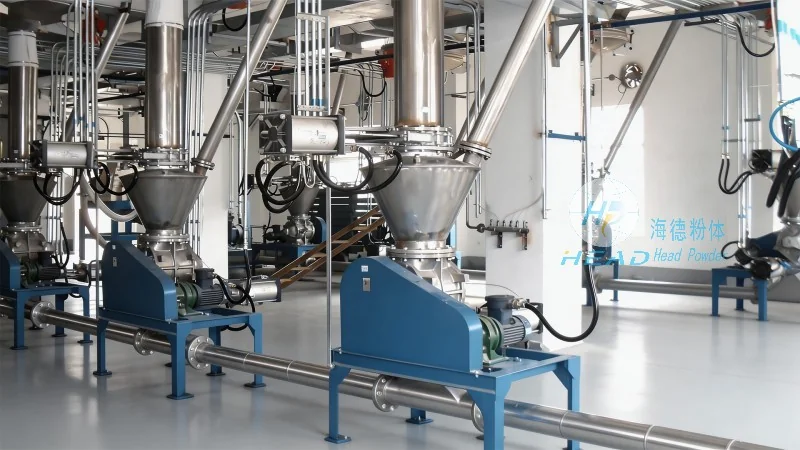
Material handling in lithium-ion battery production requires equipment that can maintain material purity and prevent cross-contamination. Air-driven conveyors achieve this by using sealed systems and controlled air pressure. The hopper is typically made of stainless steel or other corrosion-resistant materials to prevent chemical reactions with the battery materials. The airlock mechanism, often a rotary valve or a slide valve, ensures that material is fed into the pipeline in controlled quantities, preventing blockages and maintaining consistent flow rates.
Operational Principles and Working Mechanism
The operational principle of an air-driven conveyor is based on the movement of material particles suspended in a stream of air. When compressed air is introduced into the pipeline, it creates a low-pressure zone that draws material from the hopper into the conveying line. The material is then carried through the pipeline by the air flow, with the velocity of the air determining the speed of transport. The system can be designed as a positive or negative pressure system, depending on the material's properties and the desired transport direction.
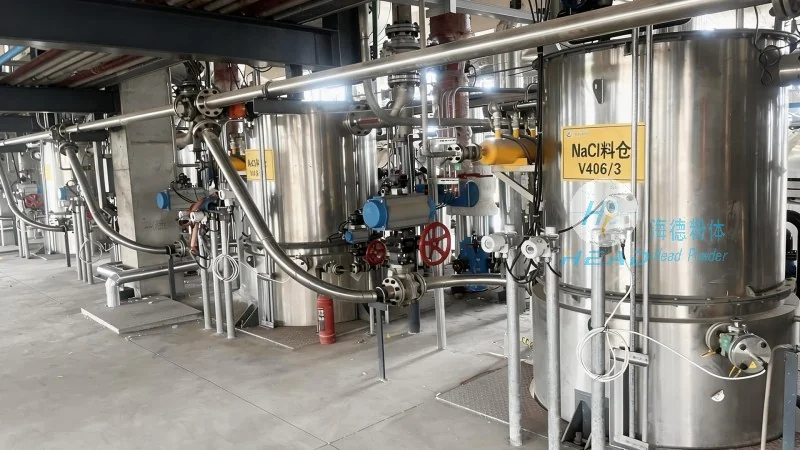
For lithium-ion battery materials, which are often fine powders, a positive pressure system is commonly used. In this setup, compressed air is blown into the pipeline, pushing the material forward. The air velocity is carefully controlled to prevent material degradation or agglomeration. The discharge outlet is designed to allow the material to fall out of the pipeline smoothly, without creating dust or causing blockages. The system may also include cyclone separators or filters to remove any fine particles that might escape the conveying line, ensuring that the material remains clean and free from contaminants.
Advantages and Applications in Lithium-Ion Battery Manufacturing
Using air-driven conveyors for lithium-ion battery materials offers several advantages over traditional mechanical conveyors. Firstly, they provide a hygienic and clean environment, which is essential for battery production where contamination can affect the performance and lifespan of the batteries. Secondly, these systems are highly flexible, allowing for changes in material flow direction or pipeline layout without significant modifications. Thirdly, they are low-maintenance, as there are no moving parts in direct contact with the material, reducing wear and tear and maintenance costs.
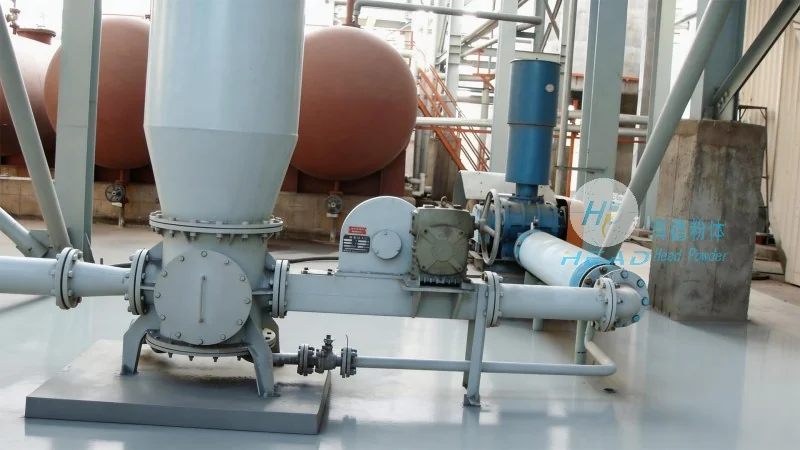
These conveyors are widely used in various stages of lithium-ion battery production, including the transport of raw materials from storage to processing lines, the transfer of intermediate products between different production steps, and the delivery of finished materials to packaging or quality control areas. Their ability to handle fine powders and granules makes them ideal for applications such as cathode material mixing, anode material preparation, and conductive additive addition.
Conclusion and Company Information
HeadPowder Engineering Co., Ltd., with its headquarters in Shandong, China, is committed to providing high-quality air-driven conveyor systems for the lithium-ion battery industry. By focusing on the structural design and operational principles that meet the specific needs of battery material handling, the company ensures that its equipment delivers reliable performance, maintains material purity, and enhances overall production efficiency. For businesses in the battery sector seeking advanced material handling solutions, HeadPowder offers a range of customized air-driven conveyors that can be tailored to specific production requirements.