

[Sintering Dust Gas Solid Conveying: Efficient Air Flow Transport of Powder and Granular Materials]
Sintering dust, a byproduct of sintering processes in metallurgical and chemical industries, poses significant challenges for material handling and environmental compliance. Traditional methods for transporting this fine powder often involve high costs, operational inefficiencies, and environmental risks. Enter gas solid transport, a technology that leverages air flow to move sintering dust and other granular materials with precision and efficiency. This article explores how gas solid transport systems, specifically designed for sintering dust, revolutionize material handling in industrial settings.
About Shandong HeadPowder Engineering Co., Ltd.
At Shandong HeadPowder Engineering Co., Ltd., we specialize in providing advanced solutions for the efficient and sustainable handling of industrial powders. HeadPowder, as our company is commonly known, is headquartered in Shandong, China. Our team of experts combines deep industry knowledge with cutting-edge engineering to develop customized gas solid transport systems tailored to the unique needs of sintering operations. With a focus on innovation and reliability, we help clients optimize their material handling processes while minimizing environmental impact.
Understanding Sintering Dust Gas Solid Transport
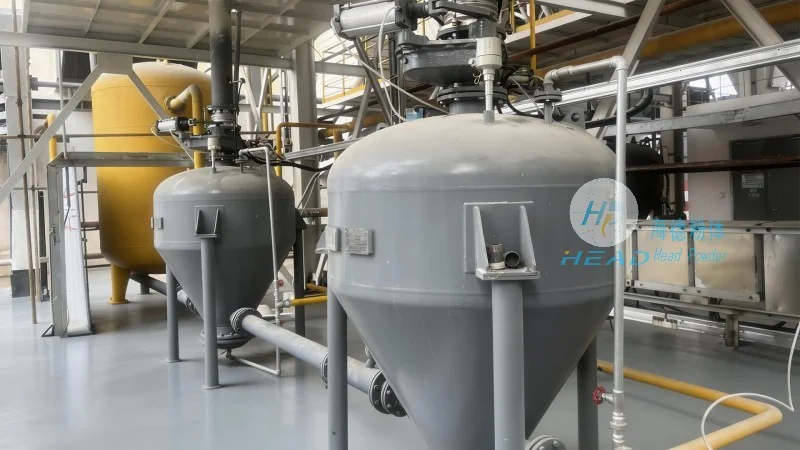
Sintering dust gas solid transport, also known as pneumatic conveying, is a method that uses pressurized or vacuum air to move dry powders and granules through pipelines. This technology is particularly effective for sintering dust, which is typically fine, abrasive, and prone to caking. The core principle involves creating a controlled air flow that suspends the powder particles, allowing them to be transported over long distances without the need for mechanical components like belts or buckets. There are two primary types of pneumatic conveying systems: pressure and vacuum. Pressure systems use positive pressure to push the material through the pipeline, while vacuum systems use negative pressure to pull it. Both methods are suitable for sintering dust, with the choice depending on the specific application, material characteristics, and system layout.
Key Advantages of Sintering Dust Gas Solid Transport
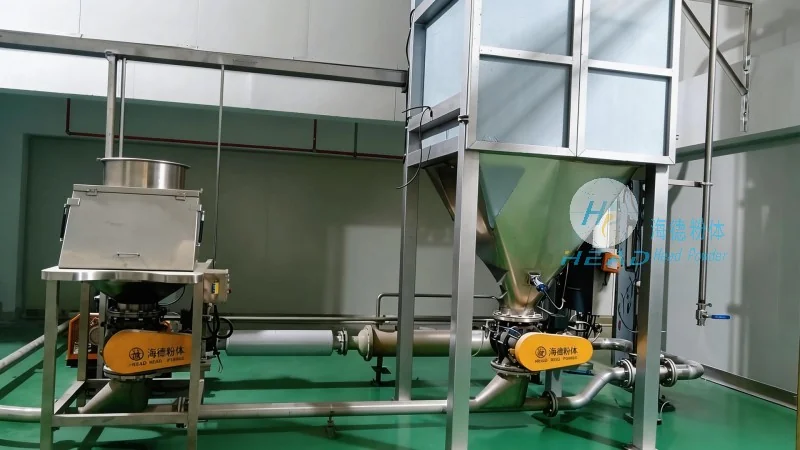
Implementing gas solid transport for sintering dust offers numerous benefits that enhance operational efficiency and reduce costs. First, it eliminates the need for manual handling or bulk material handling equipment, such as trucks or conveyor belts, which can be labor-intensive and prone to accidents. Second, the system is highly flexible, allowing for the integration of multiple dust collection points and material transfer points within a facility. This flexibility enables a more streamlined workflow, as dust can be transported directly from the sintering machine to storage silos or processing units without intermediate steps. Third, gas solid transport is environmentally friendly. By containing dust within a closed system, it prevents air pollution and dust emissions, aligning with stringent environmental regulations. Additionally, the system reduces the risk of dust explosions by maintaining a controlled environment, which is critical for sintering operations where fine powders are present. Finally, the technology is energy-efficient compared to traditional methods, as it minimizes the use of mechanical components and reduces energy consumption for material movement.
Technical Considerations for Sintering Dust Gas Solid Transport
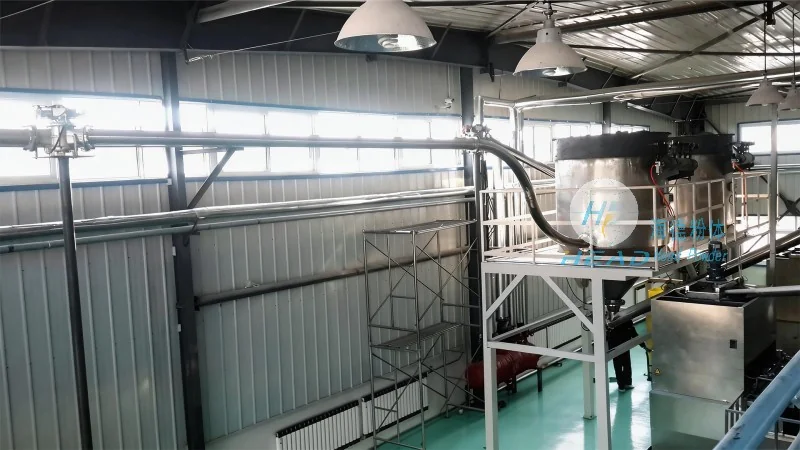
Successful implementation of sintering dust gas solid transport requires careful consideration of several technical factors. The first is the material's physical properties, including particle size, density, and moisture content. These characteristics determine the optimal air velocity and pressure required for effective conveying. For sintering dust, which is typically fine and cohesive, higher air velocities may be needed to prevent clogging and ensure smooth transport. The second factor is the system's design, including pipeline diameter, length, and layout. The diameter must be sufficient to prevent particle deposition and maintain consistent air flow, while the length and layout must account for changes in elevation and horizontal distance. The third consideration is the type of air flow control, such as rotary airlocks or valves, which regulate the material flow and prevent backflow. These components are critical for maintaining system stability and preventing blockages. Finally, the system must be equipped with proper filtration and dust collection equipment to ensure compliance with environmental standards and protect equipment from dust accumulation.
Application Examples and Real-World Impact
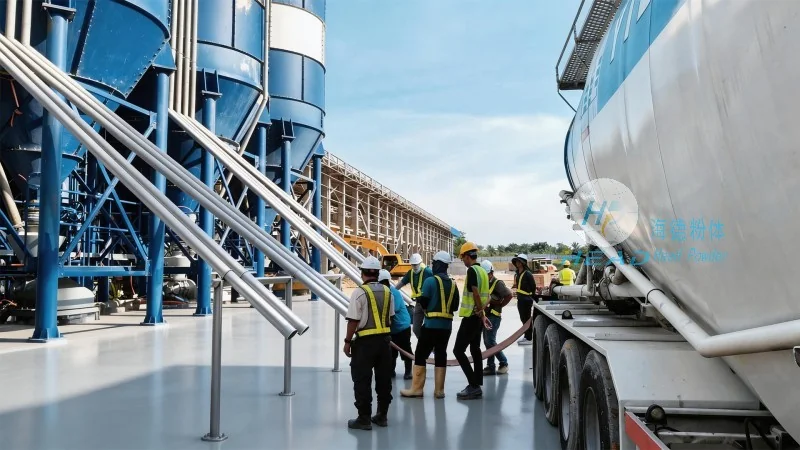
HeadPowder has successfully implemented sintering dust gas solid transport systems in various industrial settings, demonstrating the technology's effectiveness in real-world applications. For example, in a steel plant, our system was installed to transport sintering dust from multiple collection points to a central storage silo. The system reduced material handling time by 40% and lowered dust emissions by 90%, significantly improving workplace safety and environmental performance. In another case, a chemical plant used our gas solid transport system to move sintering dust to a processing unit, where it was used as a raw material. The system's flexibility allowed for seamless integration with existing equipment, and the energy savings from reduced mechanical handling were substantial. These examples highlight the versatility and reliability of sintering dust gas solid transport, making it an ideal solution for industries seeking to optimize their material handling processes.
Conclusion: The Future of Sintering Dust Handling
Gas solid transport for sintering dust represents a significant advancement in industrial material handling, offering a sustainable and efficient solution to the challenges posed by fine powder processing. By leveraging air flow to move materials, this technology reduces operational costs, improves safety, and minimizes environmental impact. As industries continue to prioritize sustainability and efficiency, gas solid transport systems will play an increasingly important role in the handling of sintering dust and other industrial powders. At Shandong HeadPowder Engineering Co., Ltd., we remain committed to developing innovative solutions that meet the evolving needs of our clients, ensuring that sintering dust handling remains safe, efficient, and environmentally responsible.