

Classification and Composition of Iron Sand Pneumatic Conveying Systems
Iron sand, a vital raw material in numerous industrial processes, requires efficient and reliable transportation solutions to maintain smooth production workflows. Pneumatic conveying systems have become a preferred method for handling iron sand due to their ability to transport materials in a dust-free environment and with minimal operational downtime. This article provides a comprehensive overview of the classification and composition of iron sand pneumatic conveying systems, detailing the key components and operational principles that enable effective material handling in industrial settings.
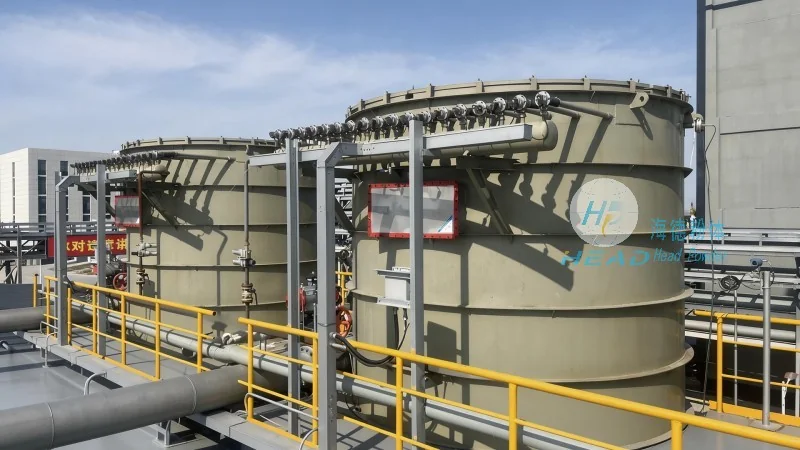
Introduction to Iron Sand Pneumatic Conveying Systems
Iron sand, primarily composed of iron oxide and other mineral components, is widely utilized in steel manufacturing, magnetic separation operations, and as a constituent in various construction materials. The transportation of iron sand involves moving these particles from one location to another within a facility or between different facilities. Traditional methods such as belt conveyors or bucket elevators often encounter challenges like dust generation, material degradation, and increased maintenance requirements. Pneumatic conveying systems address these issues by utilizing air pressure to transport iron sand through a closed pipeline system, offering a more controlled and hygienic approach to material handling.
Classification of Iron Sand Pneumatic Conveying Systems
Iron sand pneumatic conveying systems can be broadly categorized based on the pressure mechanism used for material transport. The primary classifications are pressure systems and vacuum systems. Pressure systems operate by forcing air (or an air-material mixture) through the pipeline, while vacuum systems use suction to draw the material into the pipeline. Within these main categories, further sub-classifications exist based on air flow characteristics and pipeline design.
1. Pressure Pneumatic Conveying Systems
Pressure systems are commonly employed for short to medium-distance transportation of iron sand, typically up to several hundred meters. These systems are distinguished by their high conveying capacity and ability to handle a wide range of particle sizes. In a pressure system, a blower or compressor generates the necessary air pressure, which is then mixed with the iron sand at the loading point. The mixture is subsequently forced through the pipeline to the discharge point. Pressure systems are often favored for applications requiring high flow rates or where the material needs to be transported over relatively short distances.
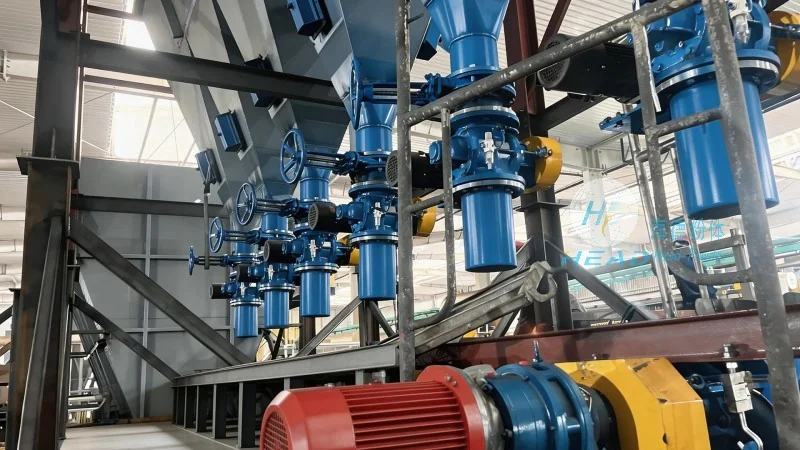
2. Vacuum Pneumatic Conveying Systems
Vacuum systems are suitable for longer-distance transportation, typically up to several kilometers, and are frequently used when the material must be collected from multiple sources and transported to a central point. These systems function by creating a negative pressure at the loading point, which draws the iron sand into the pipeline along with the air. The material is then transported to the discharge point where the air is separated from the material and either recirculated or vented. Vacuum systems are particularly effective for handling fine iron sand particles prone to dusting and for applications involving multiple material sources.
3. Hybrid Pneumatic Conveying Systems
Hybrid systems integrate elements of both pressure and vacuum systems, providing flexibility for diverse material types and transportation distances. These systems may combine pressure and vacuum phases to optimize the conveying process. For instance, a hybrid system might use pressure to transport material from the loading point to a central hub and then switch to vacuum to move it from the hub to the discharge point. Hybrid systems are especially valuable in complex industrial environments with multiple material sources and destinations.
Composition of Iron Sand Pneumatic Conveying Systems
Regardless of classification, iron sand pneumatic conveying systems consist of several essential components that work in unison to ensure efficient material transport. The main components include the material loading device, the conveying pipeline, the air supply system, the material separation and discharge system, and the control and monitoring equipment.
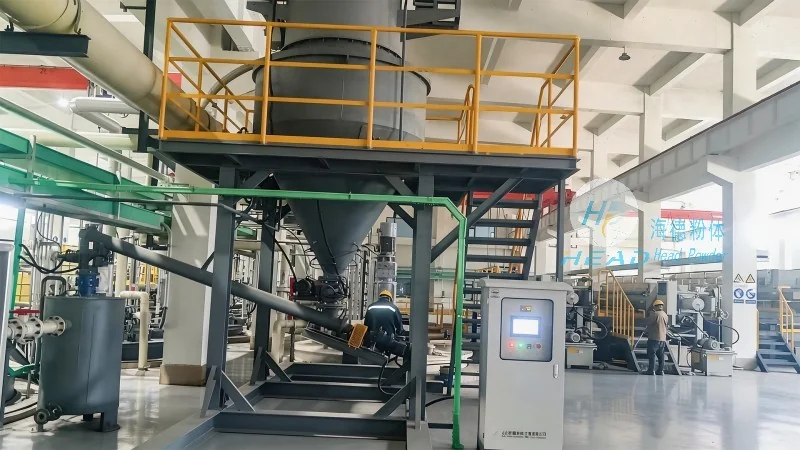
1. Material Loading Device
The material loading device introduces iron sand into the conveying system. This component can be a hopper, rotary valve, or feeder that ensures a consistent material flow into the pipeline. The design of the loading device is critical to prevent material buildup and ensure proper air-material mixing. For abrasive iron sand, the loading device is typically constructed from high-quality materials like stainless steel or wear-resistant alloys to minimize wear and maintain performance.
2. Conveying Pipeline
The conveying pipeline is the primary component, responsible for transporting the iron sand and air mixture from the loading point to the discharge point. The pipeline is usually made of stainless steel or other corrosion-resistant materials to withstand the abrasive nature of iron sand and prevent material buildup. The diameter and length of the pipeline are carefully engineered based on material properties, required flow rates, and distance. The pipeline may include bends, elbows, and fittings designed to minimize pressure loss and ensure smooth material flow.
3. Air Supply System
The air supply system provides the necessary air pressure or vacuum to transport iron sand through the pipeline. This system typically includes a blower or compressor, an air filter to remove contaminants, and a control valve to regulate airflow. The choice of air supply equipment depends on the system type (pressure or vacuum) and required conveying capacity. For pressure systems, a high-pressure blower is used, while for vacuum systems, a vacuum pump is employed. The air supply system is designed to deliver clean, moisture-free air to ensure optimal system performance.
4. Material Separation and Discharge System
The material separation and discharge system separates iron sand from air at the discharge point and collects the material. This component often includes a cyclone separator or bag filter, which uses centrifugal force or filtration to separate material from air. The separated iron sand is collected in a hopper or bin, while the air is either recirculated or vented. The design of the separation system is crucial for efficient material collection and compliance with environmental standards.
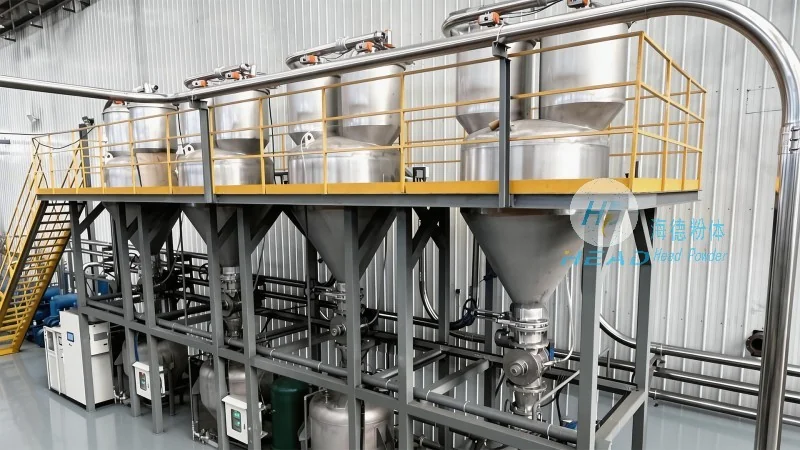
5. Control and Monitoring Equipment
The control and monitoring equipment manages the system's operation. This includes sensors to monitor pressure, flow rate, and material levels, along with control valves and a control panel to regulate system functions. The control system ensures efficient and safe operation, alerting operators to issues like low material levels or pressure drops. Monitoring equipment helps identify potential problems early, allowing for timely maintenance and preventing operational disruptions.
Applications and Benefits of Iron Sand Pneumatic Conveying Systems
Iron sand pneumatic conveying systems are widely used across various industrial applications due to their efficiency and reliability. These systems are particularly suited for steel production facilities, where iron sand is transported from storage silos to the production line. They are also utilized in magnetic separation plants, where the material is moved to and from separation equipment. Key benefits include reduced dust generation, improved material quality, lower maintenance costs, and enhanced operational efficiency.
Conclusion
In summary, iron sand pneumatic conveying systems are indispensable in modern industrial operations, offering an efficient and reliable method for transporting iron sand. The classification and composition of these systems are fundamental to their performance and effectiveness. By understanding the different pneumatic system types and their components, industrial facilities can select the most appropriate system for their specific needs. As technology advances, pneumatic conveying systems are likely to become even more efficient, further solidifying their role in industrial material handling.