

Classification and Composition of Slurry Pneumatic Conveying Systems
Slurry pneumatic conveying systems are critical in numerous industrial processes, particularly for transporting materials that consist of solid particles suspended in a liquid. These systems offer an efficient and safe method to handle challenging materials, addressing issues like contamination, material separation, and process automation. Understanding the classification and components of these systems is essential for selecting appropriate equipment tailored to specific operational requirements.
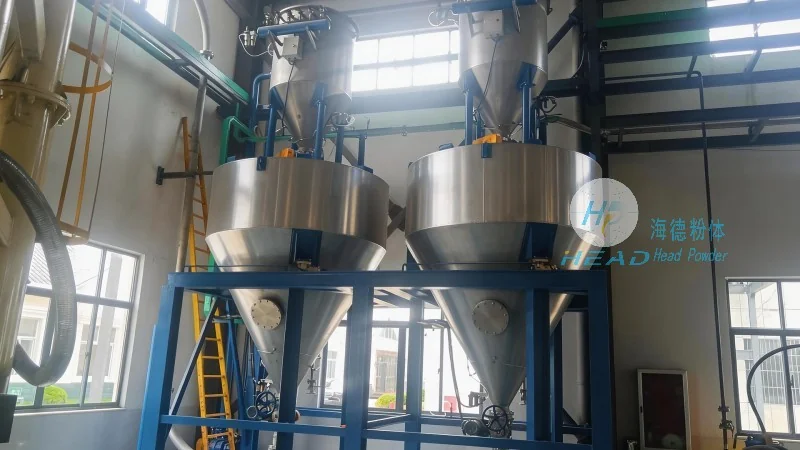
Classification of Slurry Pneumatic Conveying Systems
Slurry pneumatic conveying systems are primarily classified based on the conveying principle and the nature of the material being transported. The main categories include pressure systems, vacuum systems, and hybrid systems. Each classification operates under distinct pressure conditions and is optimized for different material characteristics and process needs.
Pressure Pneumatic Conveying Systems
Pressure systems are the most prevalent type of slurry pneumatic conveying equipment. They utilize compressed air or gas to push the slurry through a pipeline. The pressure is maintained at a level sufficient to overcome pipeline resistance and gravitational forces. This method is ideal for abrasive or high-solids-content materials, as the high-pressure environment minimizes clogging and ensures consistent flow rates.
Vacuum Pneumatic Conveying Systems
Vacuum systems operate by drawing the slurry from the source into the conveying line using a vacuum. This approach is suitable for long-distance transport or when the source is at a higher elevation than the destination. Vacuum systems are particularly effective for handling fine powders and liquids prone to segregation or agglomeration.
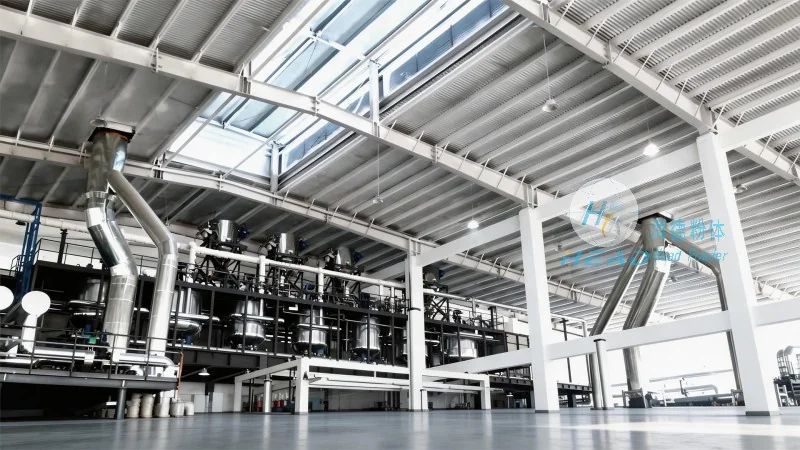
Mixed Pneumatic Conveying Systems
Mixed systems combine elements of both pressure and vacuum operation. They may initially use a vacuum to draw the slurry into a collection point and then employ pressure to push it through the remainder of the pipeline. This hybrid design offers flexibility for a wide range of materials and process conditions, making it suitable for complex conveying tasks.
Key Components of Slurry Pneumatic Conveying Systems
The composition of a slurry pneumatic conveying system involves several critical components that work in concert to ensure efficient operation. These components include the slurry pump, air compressor, conveying pipeline, control valves, and material separation equipment. Each component is vital for the system's performance and reliability.
Slurry Pump
The slurry pump serves as the system's core, responsible for mixing solid particles with the liquid and delivering the slurry to the conveying line. It must withstand abrasive and corrosive materials without degradation. The pump design—such as centrifugal or positive displacement types—is selected based on the slurry's viscosity, solids concentration, and particle size.
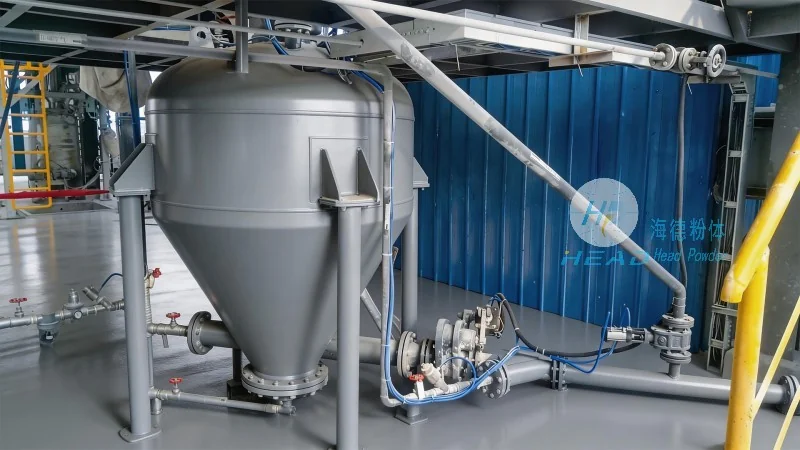
Air Compressor
The air compressor provides the necessary pressure or vacuum to move the slurry through the pipeline. The choice of compressor depends on the system's operating pressure and air volume requirements. High-pressure compressors are used in pressure systems, while vacuum pumps are employed in vacuum systems. The compressor must be efficient and durable for continuous industrial operation.
Conveying Pipeline
The pipeline is the primary conduit for transporting the slurry from the source to the destination. It is typically constructed from corrosion-resistant materials like stainless steel, PVC, or rubber. The pipeline's diameter and length are critical for maintaining optimal flow rates and preventing blockages. Regular maintenance and cleaning are essential for long-term performance.
Control Valves and Regulators
Control valves and regulators manage flow rates, pressure, and vacuum levels within the system. They allow operators to adjust conveying parameters based on material characteristics and process requirements. These components maintain system stability, prevent overpressure or underpressure conditions, and ensure safe operation.
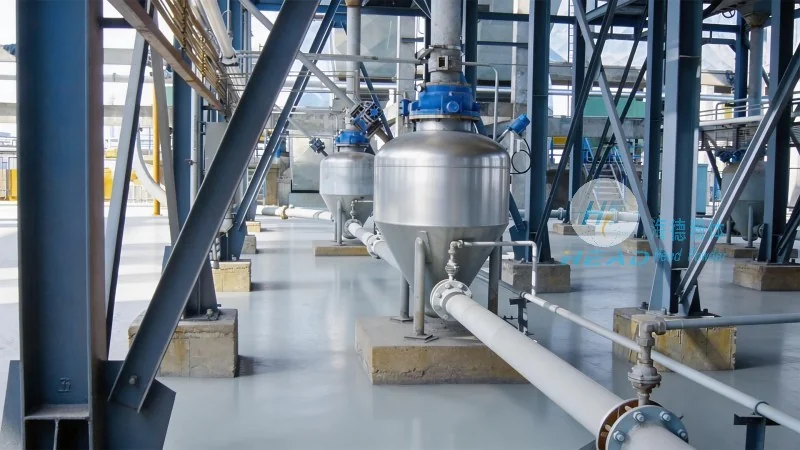
Material Separation Equipment
Material separation equipment removes excess liquid or air from the slurry before it reaches the final destination. This is crucial for applications requiring dry or semi-dry material processing. Common separation methods include cyclones, filters, and settling tanks, which enhance product quality and reduce waste.
Applications and Benefits
Slurry pneumatic conveying systems are widely used across industries including mining, chemical processing, food and beverage, and pharmaceuticals. Benefits include improved material handling efficiency, reduced labor costs, and enhanced safety compared to traditional methods like trucks or conveyor belts. By using compressed air or vacuum, these systems minimize contamination risks and ensure consistent product quality.
Conclusion
In summary, slurry pneumatic conveying systems are a vital technology in modern industrial operations. Their classification and components are tailored to meet diverse application needs, providing efficient and reliable material transport solutions. As industries advance, the demand for advanced slurry conveying systems will grow, driven by the need for higher productivity, quality control, and sustainable operations. Companies like Shandong HeadPowder Engineering Co., Ltd. play a key role in developing and supplying these systems, contributing to global industrial process advancement.