

Classification and Composition of Salt Pneumatic Conveying Systems
For industries dealing with salt handling, efficient and reliable material transport is crucial. Pneumatic conveying systems offer a solution that minimizes labor costs and enhances safety by eliminating manual handling of bulk materials. This article explores the classification and key components of salt pneumatic conveying systems, highlighting the expertise of Shandong HeadPowder Engineering Co., Ltd. in providing tailored solutions for salt transport needs.
Classification of Salt Pneumatic Conveying Systems
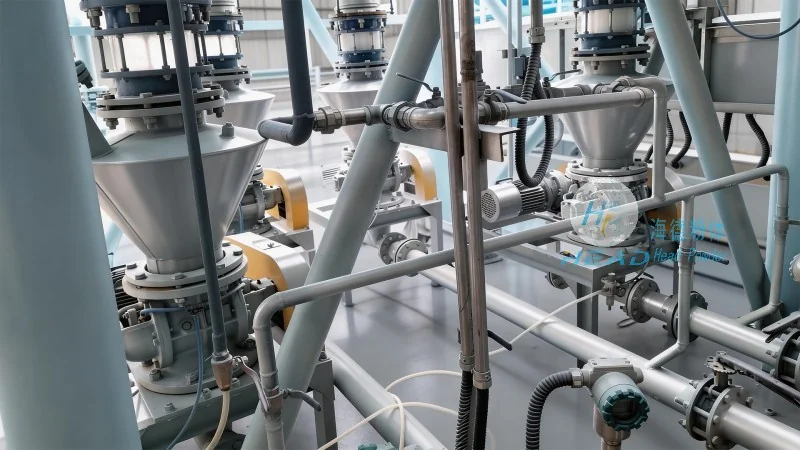
Salt pneumatic conveying systems are primarily categorized based on the pressure within the conveying line. The two main types are positive pressure systems and negative pressure systems. Each type has distinct characteristics and applications that make them suitable for different operational requirements.
Positive Pressure Pneumatic Conveying Systems
Positive pressure systems operate by blowing air or gas into the conveying line, creating a pressure higher than the ambient air. This method is ideal for long-distance transport and for moving materials through vertical lifts. The system typically includes a blower or compressor at the inlet, which supplies the necessary air pressure to push the salt particles through the pipeline. A key advantage of positive pressure systems is their ability to handle abrasive materials like salt without causing excessive wear on the equipment. Shandong HeadPowder Engineering Co., Ltd. specializes in designing positive pressure systems that can handle high volumes of salt while maintaining energy efficiency and low maintenance costs.
Negative Pressure Pneumatic Conveying Systems
Negative pressure systems, also known as vacuum systems, create a vacuum in the conveying line by extracting air from the line. This approach is commonly used for short to medium distance transport and for applications where dust control is critical. The system features a vacuum pump at the discharge end, which pulls the salt particles into the line. Negative pressure systems are particularly effective for handling fine or dusty salt, as they minimize the risk of material spillage and air pollution. HeadPowder Engineering offers negative pressure solutions that are compliant with environmental regulations and designed for cleanroom or controlled environments.
Key Components of Salt Pneumatic Conveying Systems
Regardless of the system type, salt pneumatic conveying systems consist of several essential components that work in tandem to ensure efficient material transport. These components include the feed system, conveying line, separation equipment, and control mechanisms.
Feed System
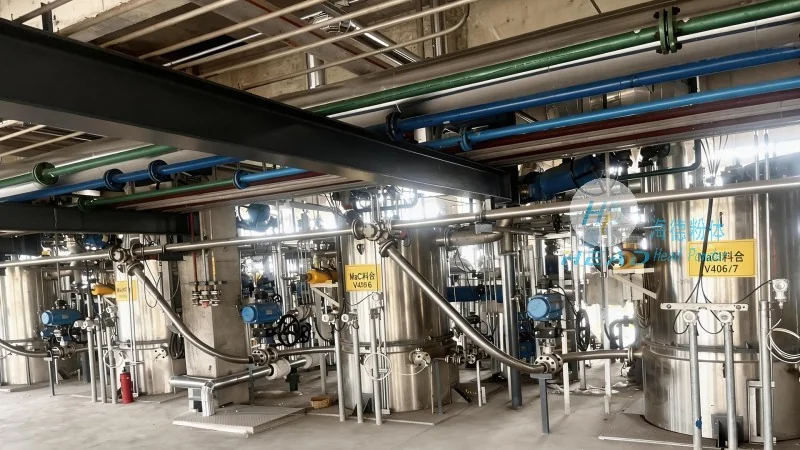
The feed system is responsible for introducing the salt into the conveying line. It typically consists of a hopper or bin equipped with a feeder, such as a rotary valve or a screw conveyor. The feeder controls the flow rate of the salt, ensuring a consistent and controlled supply to the system. Shandong HeadPowder Engineering Co., Ltd. designs feed systems that are tailored to the specific characteristics of the salt, such as particle size and moisture content, to prevent blockages and ensure smooth operation.
Conveying Line
The conveying line is the core of the pneumatic system, responsible for transporting the salt particles through the pipeline. It is usually made of stainless steel or other corrosion-resistant materials to withstand the abrasive nature of salt. The line may include bends, elbows, and vertical sections, which are designed to minimize pressure drop and prevent material deposition. HeadPowder Engineering uses high-quality materials and precision engineering to construct conveying lines that offer durability and long service life.
Separation Equipment
Separation equipment is used to separate the salt from the air at the discharge end of the system. This component is critical for maintaining the purity of the material and for recovering the air for reuse. Common separation methods include cyclone separators, bag filters, and cartridge filters. The choice of separator depends on the particle size and moisture content of the salt. Shandong HeadPowder Engineering Co., Ltd. integrates advanced separation technologies that ensure high efficiency and minimal air loss, reducing operational costs and environmental impact.
Control Mechanisms
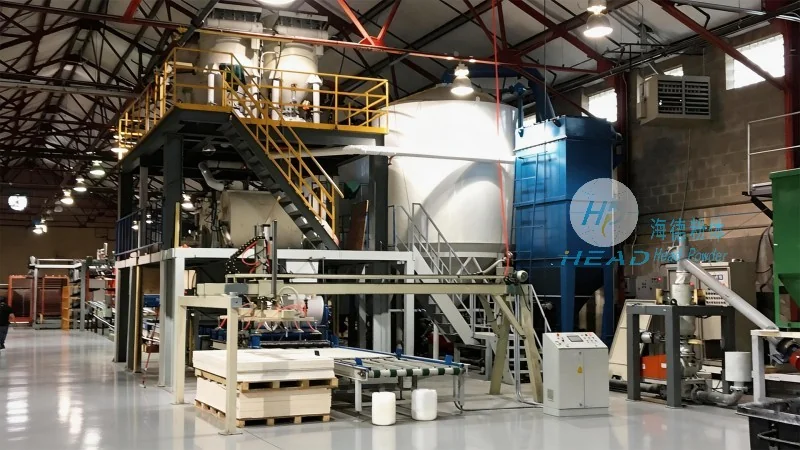
Control mechanisms are essential for monitoring and regulating the operation of the pneumatic conveying system. These include pressure sensors, flow meters, and control valves that adjust the air pressure and flow rate as needed. The control system may also include safety features such as pressure relief valves and emergency shut-off valves to prevent accidents. HeadPowder Engineering provides comprehensive control solutions that enhance the system's reliability and operational safety.
Application Examples in Salt Industry
Salt pneumatic conveying systems are widely used in various applications within the salt industry. For instance, in salt mines, these systems are used to transport mined salt from the extraction site to processing facilities. In salt processing plants, they are employed to move salt between different stages of production, such as from crushing to drying. Additionally, in salt packaging operations, pneumatic conveying systems are used to transfer salt from storage silos to packaging lines. Shandong HeadPowder Engineering Co., Ltd. has successfully implemented these systems in numerous salt processing facilities, improving efficiency and reducing operational costs for their clients.
Advantages of Using Salt Pneumatic Conveying Systems
Implementing a salt pneumatic conveying system offers several advantages over traditional methods like belt conveyors or manual handling. These benefits include improved safety by eliminating manual handling of bulk materials, reduced labor costs due to automated operation, and increased efficiency through continuous material flow. The systems also minimize material loss and contamination, ensuring the quality of the salt product. Furthermore, pneumatic conveying systems are flexible and can be easily integrated with existing production lines. Shandong HeadPowder Engineering Co., Ltd. emphasizes these advantages in their solutions, providing clients with systems that enhance productivity and compliance with industry standards.
Conclusion
Salt pneumatic conveying systems are a vital component of modern salt handling operations, offering efficient, safe, and cost-effective material transport solutions. By understanding the classification and key components of these systems, industries can make informed decisions when selecting the right equipment for their needs. Shandong HeadPowder Engineering Co., Ltd. stands as a leading provider of salt pneumatic conveying systems, with a commitment to delivering high-quality, customized solutions that meet the unique requirements of each client. With their expertise in system design and manufacturing, HeadPowder Engineering continues to support the salt industry in achieving operational excellence and sustainable growth.