

Classification and Composition of Soybean Pneumatic Conveying Systems
For agricultural and industrial applications, the efficient handling of bulk materials like soybeans is crucial. Pneumatic conveying systems offer a reliable method for transporting these materials over short to medium distances, minimizing the need for mechanical components and reducing maintenance costs. This article explores the classification and key components of soybean pneumatic conveying systems, providing insights into their design and functionality.
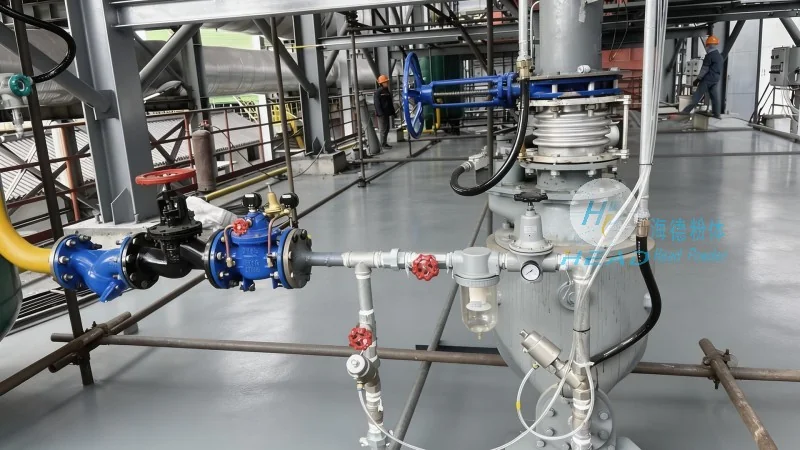
Classification of Soybean Pneumatic Conveying Systems
Soybean pneumatic conveying systems can be categorized based on several factors, including the method of material transport, pressure levels, and system configuration. The primary classifications include:
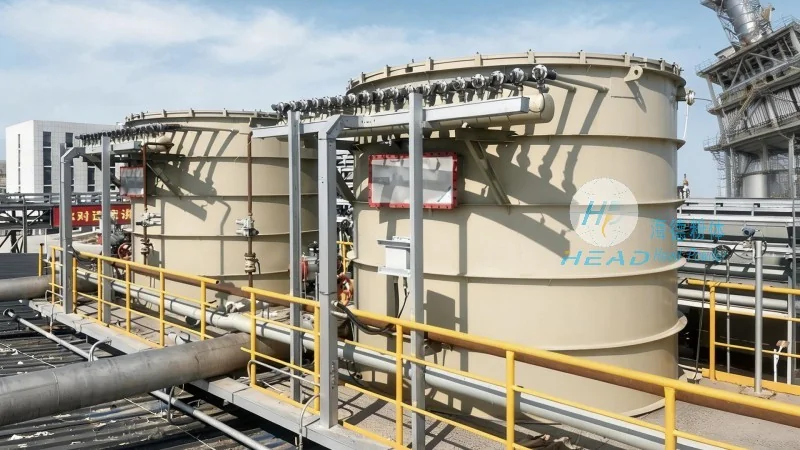
- Positive Pressure Systems: These systems use a blower or fan to generate positive pressure, pushing the material through the pipeline. They are suitable for short to medium distances and are commonly used in soybean processing plants.
- Negative Pressure (Vacuum) Systems: In these systems, a vacuum is created to draw the material into the pipeline. They are ideal for applications requiring material to be transported from multiple sources or over longer distances.
- Combined Pressure and Vacuum Systems: These systems utilize both positive and negative pressure to optimize material flow and reduce energy consumption, making them suitable for complex conveying tasks.
Key Components of Soybean Pneumatic Conveying Systems
The effective operation of a soybean pneumatic conveying system relies on several critical components, each playing a vital role in the overall process. The main components include:
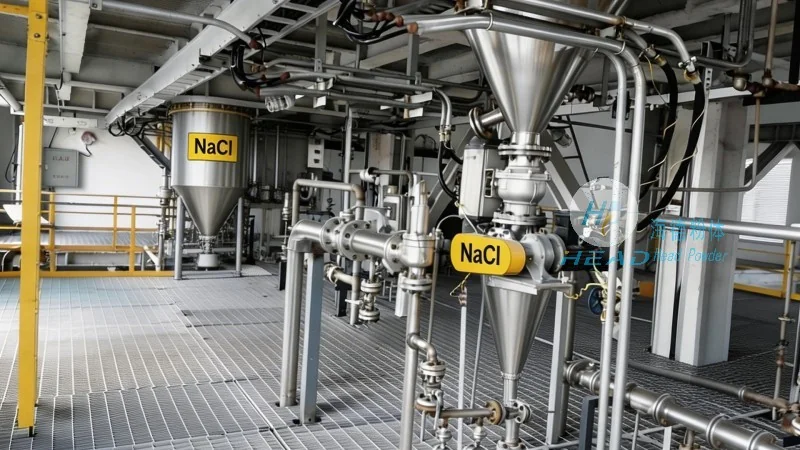
- Feeder: The feeder is responsible for feeding the soybeans into the system at a consistent rate. It ensures a steady flow of material, preventing blockages and maintaining system efficiency. For soybean applications, a screw feeder or rotary valve is commonly used to handle the bulk material.
- Pneumatic Conveying Pipe: The pipeline is the core of the system, transporting the soybeans along with the air or gas. The pipe material is typically stainless steel or high-density polyethylene, chosen for its durability and resistance to corrosion from soybean dust and moisture.
- Blower or Vacuum Pump: This component generates the necessary pressure or vacuum to move the material. The choice of equipment depends on the system classification (positive or negative pressure) and the distance and volume of material to be conveyed. High-efficiency blowers are preferred to minimize energy consumption and noise.
- Separation and Cleaning Equipment: After the soybeans reach the destination, separation equipment is used to separate the material from the air. This may include cyclones, filters, or baghouses. Cleaning equipment is also essential to maintain the system's performance and prevent dust accumulation.
- Control System: Modern pneumatic conveying systems are equipped with advanced control systems that monitor and regulate the flow of material, pressure, and air volume. These systems ensure optimal operation, reduce downtime, and enhance safety by detecting and addressing issues in real-time.
Application and Benefits in Soybean Processing
Soybean pneumatic conveying systems are widely used in various stages of soybean processing, including storage, cleaning, and processing. The benefits of using such systems include:
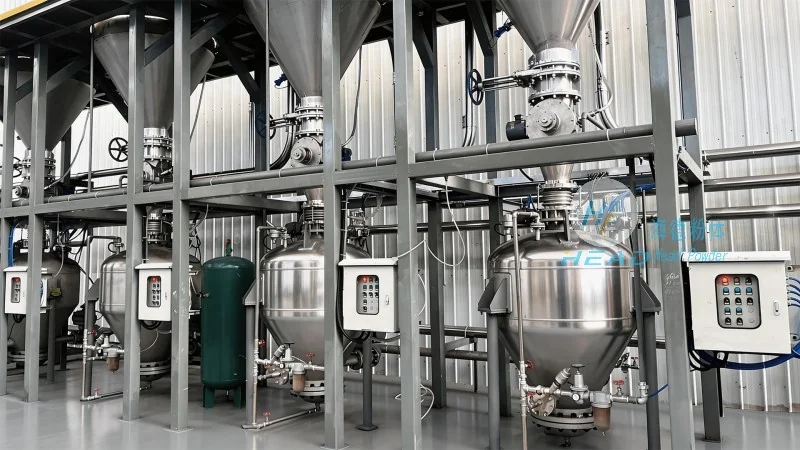
- Improved Efficiency: By automating the material handling process, these systems reduce labor costs and increase production throughput. The consistent flow of soybeans ensures that processing equipment operates at optimal levels.
- Reduced Downtime: With fewer mechanical parts and minimal maintenance requirements, pneumatic conveying systems experience less downtime compared to traditional mechanical conveyors. This leads to higher overall equipment effectiveness (OEE).
- Enhanced Safety: The enclosed system design minimizes dust exposure and prevents material spillage, creating a safer working environment for personnel. Additionally, the lack of moving parts reduces the risk of accidents.
- Energy Efficiency: Advanced blowers and optimized system designs result in lower energy consumption, making pneumatic conveying a cost-effective solution for soybean handling.
About Shandong HeadPowder Engineering Co., Ltd.
Shandong HeadPowder Engineering Co., Ltd., operating under the brand name headpowder, is a leading manufacturer of pneumatic conveying systems for agricultural and industrial applications. With a focus on innovation and quality, the company provides customized solutions tailored to the specific needs of soybean processing facilities. HeadPowder's expertise in material handling technology ensures that their systems are reliable, efficient, and durable, meeting the demands of modern soybean processing operations.