

Classification and Composition of Pneumatic Conveying Systems for Trinary Cathode Materials
HeadPowder, a leading provider in the field of material handling solutions, specializes in the design, manufacturing, and integration of advanced pneumatic conveying systems tailored for trinary cathode materials used in lithium-ion battery production. This article provides an in-depth look at the classification and essential components of such systems, highlighting the technical aspects and functional design that ensure efficient material transport and processing.
Introduction to Pneumatic Conveying Systems for Trinary Cathode Materials
Pneumatic conveying systems are critical in the battery manufacturing industry, particularly for handling trinary cathode materials—compositions typically involving nickel, cobalt, and manganese or other elements. These materials are often fine powders or granules that require precise and controlled transport to avoid degradation, contamination, or loss. The systems are engineered to maintain material integrity while ensuring high efficiency and safety in the production line. HeadPowder, with its expertise in material handling, offers customized solutions that address the unique challenges associated with these materials.
Classification of Pneumatic Conveying Systems
Based on the operating principles and system design, pneumatic conveying systems for trinary cathode materials can be classified into several categories. The primary distinction lies between pressure and vacuum systems, each with its own advantages and applications.
1. Pressure Pneumatic Conveying Systems
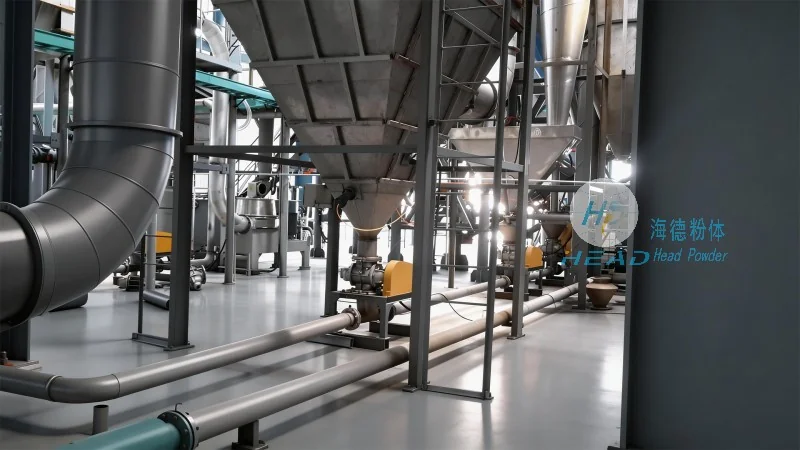
Pressure systems utilize compressed air or gas to push material through a pipeline. They are suitable for long-distance transport and can handle abrasive or corrosive materials. For trinary cathode materials, pressure systems are often preferred when the material needs to be conveyed from a central storage to multiple processing points. The system typically includes a positive displacement blower or compressor, a material feed hopper, and a series of pipelines with appropriate valves and controls. HeadPowder’s pressure systems are designed with robust components to withstand the demands of handling fine powders, ensuring consistent flow rates and minimal pressure drop.
2. Vacuum Pneumatic Conveying Systems
Vacuum systems use suction to draw material from a source into a pipeline. They are ideal for short-distance transport or when the material is to be collected from multiple points and consolidated at a central location. Vacuum systems are particularly useful in applications where the material is sensitive to pressure changes or when the source is at a higher elevation than the destination. The design includes a vacuum pump, a material collection hopper, and a network of vacuum lines. HeadPowder’s vacuum systems are engineered to maintain stable vacuum levels, preventing material clogging and ensuring reliable operation.
3. Hybrid Pneumatic Conveying Systems
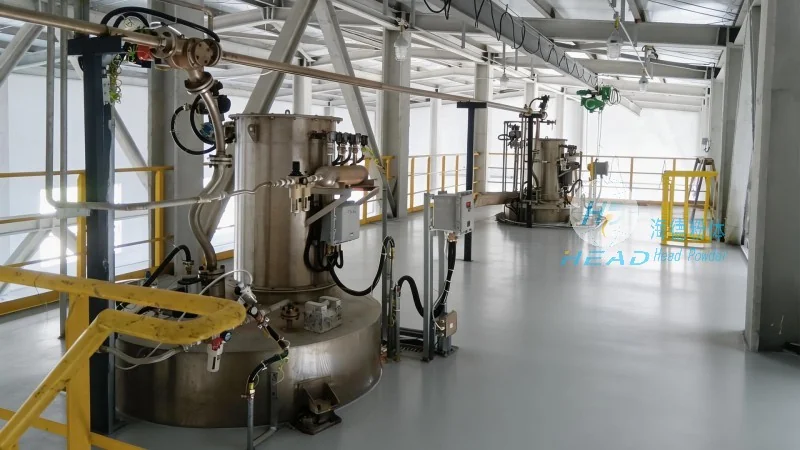
Hybrid systems combine elements of both pressure and vacuum systems, offering flexibility in material handling. They can be used for both long-distance and short-distance transport, adapting to varying production requirements. These systems are often employed when the material needs to be conveyed from multiple sources to a central processing unit or when the system must accommodate both loading and unloading operations. HeadPowder’s hybrid solutions provide a versatile approach, allowing for efficient material flow management and reduced downtime.
Key Components of Pneumatic Conveying Systems for Trinary Cathode Materials
Regardless of the classification, all pneumatic conveying systems for trinary cathode materials consist of several core components that work in tandem to ensure effective operation. These components are carefully selected and integrated to meet the specific requirements of the material and the production process.
1. Material Feed and Hopper System
The material feed system is the entry point for trinary cathode materials into the conveying line. It typically includes a hopper or feeder that can handle bulk material and feed it into the system at a controlled rate. For fine powders, a rotary valve or a vibratory feeder is often used to prevent clogging and ensure a steady flow. The hopper is designed to minimize material degradation, with smooth surfaces and appropriate sealing to prevent contamination from the environment. HeadPowder’s feed systems are equipped with high-quality materials and advanced control mechanisms to maintain material integrity and prevent blockages.
2. Conveying Pipeline and Fittings
The pipeline is the main pathway for material transport, and its design is critical to the system’s performance. For trinary cathode materials, pipelines are usually made of stainless steel or other corrosion-resistant materials to handle the chemical properties of the powders. The diameter and length of the pipeline are determined based on the material’s flow characteristics and the required transport distance. Fittings such as elbows, tees, and bends are strategically placed to direct the material flow and maintain consistent velocity. HeadPowder’s pipelines are engineered with smooth internal surfaces to reduce friction and pressure loss, ensuring efficient material movement.
3. Air Supply and Control Unit
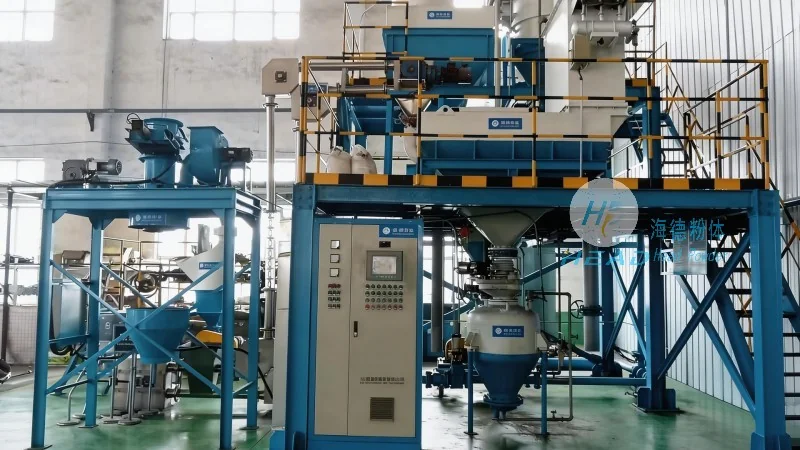
The air supply unit provides the necessary pressure or vacuum to drive the material through the pipeline. For pressure systems, a positive displacement blower or compressor generates the required air pressure. For vacuum systems, a vacuum pump creates the suction force. The control unit manages the air flow, pressure, or vacuum levels, ensuring that the system operates within safe and efficient parameters. It may include sensors, valves, and a control panel that allows operators to monitor and adjust the system in real-time. HeadPowder’s air supply units are equipped with advanced control technology, providing precise regulation and energy efficiency.
4. Material Separation and Collection System
At the end of the conveying line, the material is separated from the air and collected. This system typically includes a cyclone separator or a baghouse filter, which removes the material from the air stream. The separated material is then discharged into a collection bin or hopper. The air, now clean, is either vented to the atmosphere or recirculated back into the system. The design of the separation system is crucial to prevent material loss and ensure environmental compliance. HeadPowder’s separation systems are designed to maximize material recovery while maintaining air quality standards.
Customization and Application in Battery Manufacturing
HeadPowder understands that each battery manufacturing facility has unique requirements, and therefore, offers customized pneumatic conveying systems tailored to the specific needs of trinary cathode materials. The company’s engineering team works closely with clients to assess their production processes, material characteristics, and operational constraints to design a system that meets their exact specifications. Whether it’s a pressure system for long-distance transport or a vacuum system for material collection, HeadPowder’s solutions are built to enhance productivity, reduce downtime, and ensure the quality of the final product.
Conclusion
Pneumatic conveying systems are indispensable in the handling of trinary cathode materials for lithium-ion batteries. The classification and composition of these systems play a vital role in ensuring efficient, safe, and reliable material transport. HeadPowder, with its expertise and commitment to quality, provides advanced solutions that address the challenges of handling these materials. By understanding the different system types and key components, manufacturers can optimize their material handling processes and improve overall production efficiency.