

Classification and Composition of Sodium Hydroxide Powder Pneumatic Conveying Systems
Sodium hydroxide, commonly known as caustic soda, is a widely used chemical in various industrial applications, including manufacturing, cleaning, and chemical processing. The efficient and safe transportation of sodium hydroxide powder is crucial for industrial operations, and pneumatic conveying systems have emerged as a reliable solution. This article provides an overview of the classification and key components of sodium hydroxide powder pneumatic conveying systems, highlighting the importance of each component in ensuring optimal performance and safety.
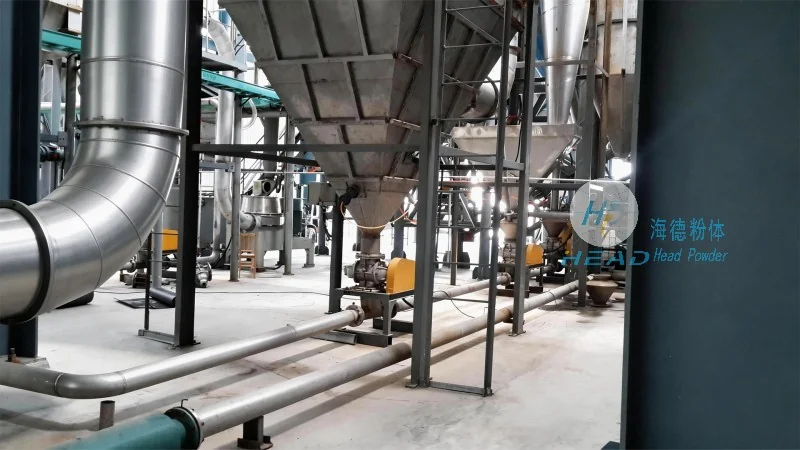
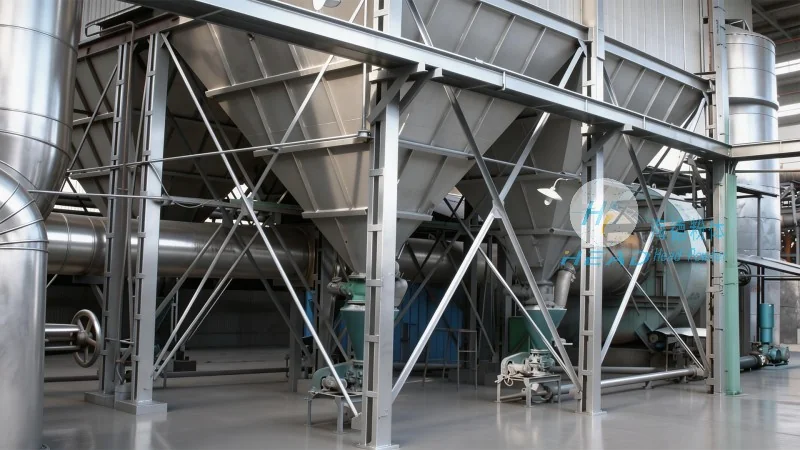
Classification of Pneumatic Conveying Systems for Sodium Hydroxide Powder
Pneumatic conveying systems for sodium hydroxide powder can be broadly classified into two main categories: positive pressure systems and negative pressure systems. Positive pressure systems use a blower or compressor to generate air pressure that pushes the powder through the system, while negative pressure systems use a vacuum to draw the powder into the system. Each type has its own advantages and is suitable for different applications and material characteristics.
Key Components of Sodium Hydroxide Powder Pneumatic Conveying Systems
The effective operation of a sodium hydroxide powder pneumatic conveying system relies on several critical components, each playing a vital role in the overall system performance. The main components include:
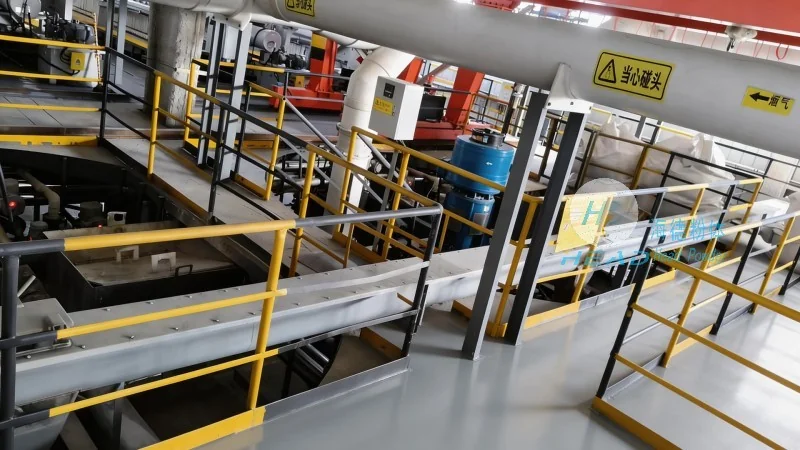
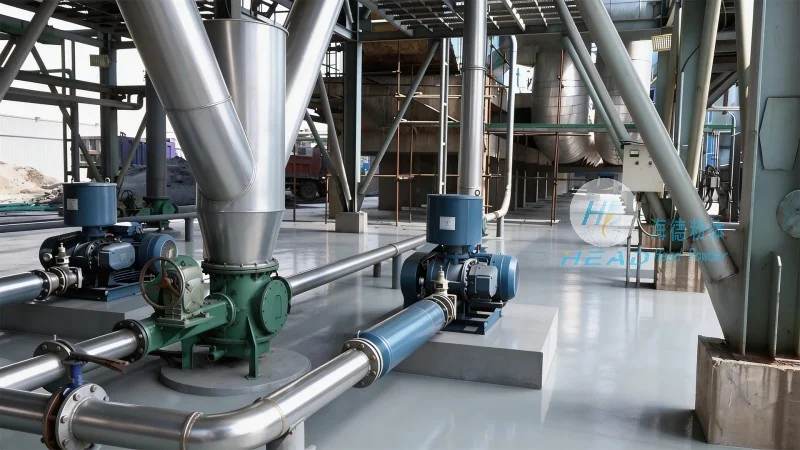
- Pneumatic Conveying Equipment: This includes the primary and secondary air movers, such as rotary lobe blowers or centrifugal fans, which generate the necessary air pressure or vacuum to transport the powder. The choice of equipment depends on the system's capacity, material properties, and operational requirements.
- Piping and Tubing: The system utilizes a network of pipes and tubing to guide the powder and air mixture through the conveying path. The material of the piping (e.g., stainless steel, plastic) is selected based on the chemical compatibility with sodium hydroxide and the need for corrosion resistance.
- Powder Feeders: These devices, such as rotary valves or screw feeders, control the flow rate of sodium hydroxide powder into the system, ensuring a consistent and controlled feed. Proper feeder design is essential to prevent material bridging or blockages.
- Separation and Collection Equipment: At the receiving end of the system, separation equipment, such as cyclones or bag filters, separates the powder from the air stream, allowing for safe collection and handling of the material. This component is critical for maintaining system efficiency and preventing dust emissions.
- Control and Monitoring Systems: Modern pneumatic conveying systems incorporate control panels and monitoring devices to regulate air pressure, flow rates, and system performance. These systems help ensure safe and efficient operation, with features like pressure sensors, flow meters, and alarms for abnormal conditions.
Role of Shandong HeadPowder Engineering Co., Ltd. in Designing and Manufacturing
Shandong HeadPowder Engineering Co., Ltd., a leading company in the field, specializes in the design, manufacturing, and installation of sodium hydroxide powder pneumatic conveying systems. With years of experience and a team of skilled engineers, HeadPowder provides customized solutions tailored to the specific needs of clients. The company focuses on delivering high-quality systems that meet industry standards and ensure long-term reliability and performance. By leveraging advanced technology and rigorous quality control processes, HeadPowder ensures that its systems are efficient, safe, and cost-effective for various industrial applications.