

Classification and Composition of PTFE Pneumatic Conveying Systems
PTFE (Polytetrafluoroethylene) pneumatic conveying systems are specialized equipment designed for the efficient and safe transport of bulk materials. These systems are widely used in various industries due to PTFE's exceptional chemical resistance, thermal stability, and non-stick properties. The systems are engineered to handle materials that are sensitive to contamination or require a clean transfer process, making them ideal for applications in pharmaceuticals, food processing, and high-purity manufacturing.
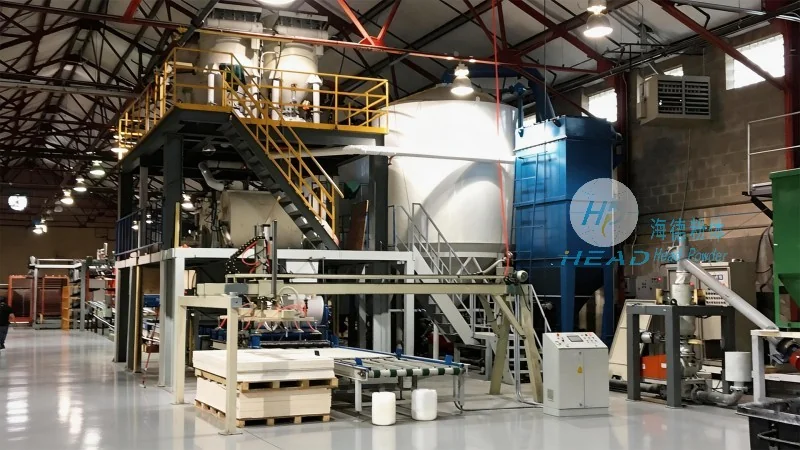
Classification of PTFE Pneumatic Conveying Systems
PTFE pneumatic conveying systems can be classified based on several key parameters, including the conveying principle, material handling capacity, and operational environment. The primary classifications include pressure-type and vacuum-type systems. Pressure-type systems use compressed air or gas to push material through the system, while vacuum-type systems employ suction to draw material into the conveying line. Additionally, systems can be categorized by the type of material being conveyed, such as powders, granules, or fine particles. The choice of classification depends on the specific requirements of the application, including material characteristics, distance of transport, and desired throughput.
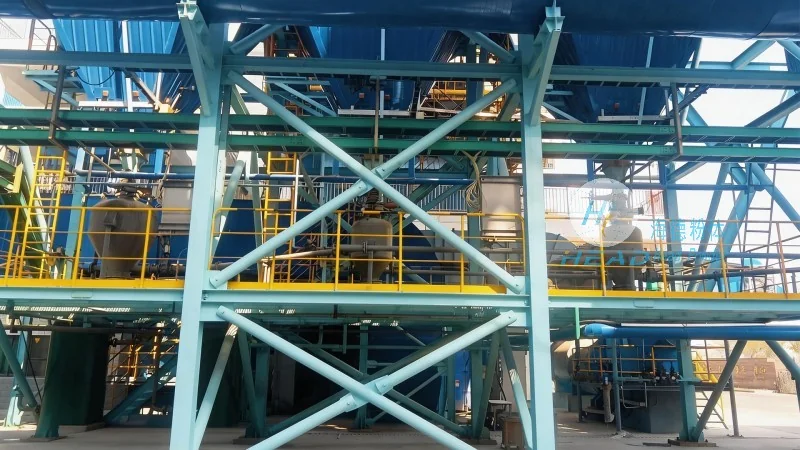
Key Components of PTFE Pneumatic Conveying Systems
The PTFE pneumatic conveying system consists of several critical components that work in tandem to ensure efficient material transport. The main components include the hopper, which serves as the material storage and feeding unit; the conveying line, typically made of PTFE-coated or PTFE-lined pipes to prevent material adhesion and corrosion; the air compressor or vacuum pump, which provides the necessary pressure or suction; and the control system, which regulates the flow of material and air. Other essential components may include filters, cyclones, and separation devices to ensure material purity and system efficiency. Each component is designed with PTFE materials to maintain the integrity of the system and protect against chemical exposure.
Application Examples and Industry Use Cases
PTFE pneumatic conveying systems are employed in a wide range of industries where material handling demands precision and cleanliness. In the pharmaceutical industry, these systems are used to transport active pharmaceutical ingredients (APIs) and excipients, ensuring that the materials remain free from contamination and maintain their purity. In food processing, they are utilized for conveying ingredients like flour, sugar, and spices, where hygiene and non-stick properties are critical. Additionally, in the chemical and petrochemical sectors, PTFE systems handle corrosive or abrasive materials, leveraging PTFE's resistance to chemicals and wear. The versatility of PTFE pneumatic conveying systems makes them a preferred choice for applications requiring high standards of material integrity and operational reliability.
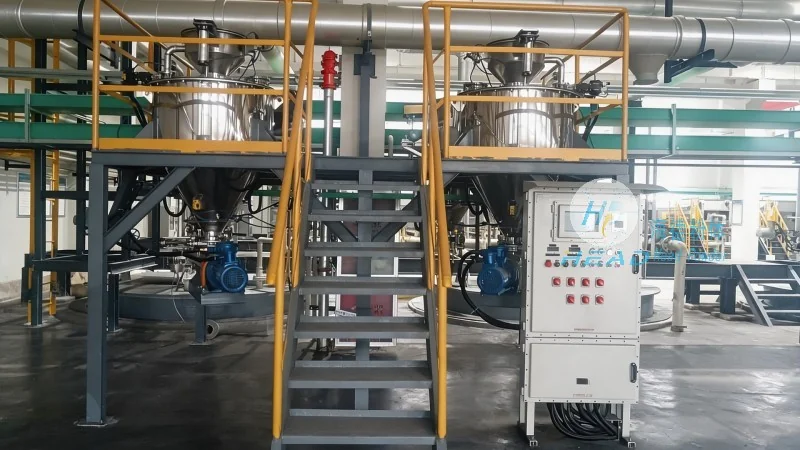
About Shandong HeadPowder Engineering Co., Ltd.
Shandong HeadPowder Engineering Co., Ltd., operating under the brand name headpowder, is a leading manufacturer of PTFE pneumatic conveying systems. With a focus on innovation and quality, the company specializes in designing and manufacturing systems tailored to the unique needs of various industries. HeadPowder's systems are engineered using advanced PTFE technology, ensuring durability, efficiency, and compliance with industry standards. The company's headquarters is located in Shandong, China, where it leverages local expertise and resources to deliver high-performance solutions to global clients. By combining technical expertise with customer-centric approach, HeadPowder aims to provide reliable and sustainable material handling solutions for its clients worldwide.