

Classification and Composition of Nickel Sulfate Crystallization Pneumatic Conveying Systems
For industrial applications involving the handling of nickel sulfate crystallization products, the selection of an appropriate pneumatic conveying system is crucial for efficiency, safety, and operational reliability. Pneumatic conveying systems for this specific material category can be broadly classified into different types based on their operational principles and component configurations. Understanding these classifications and the key components involved is essential for optimizing material transport processes in chemical and metallurgical industries.
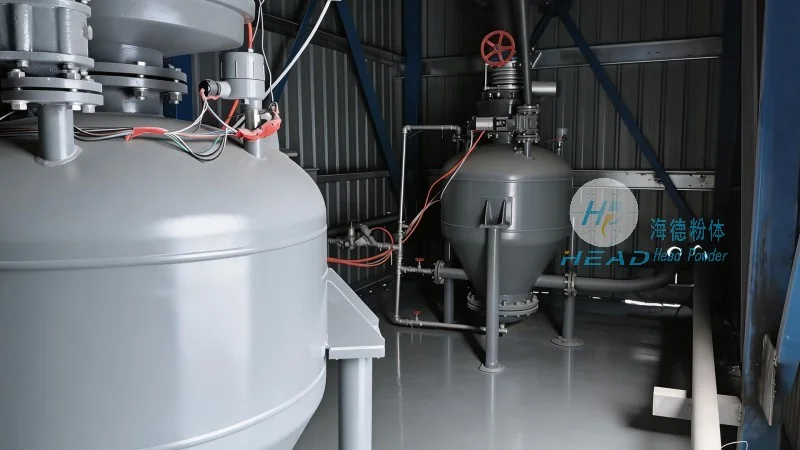
Classification of Nickel Sulfate Crystallization Pneumatic Conveying Systems
The primary classification of pneumatic conveying systems for nickel sulfate crystallization is based on the density of the material-air mixture during transport. The two main categories are dilute-phase and dense-phase systems. Dilute-phase systems operate with a low solid-to-gas ratio, where particles are suspended in the air stream as individual droplets. Dense-phase systems, on the other hand, maintain a higher solid concentration, often forming a slurry-like mixture that moves through the pipeline under pressure.
Key Components of Pneumatic Conveying Systems for Nickel Sulfate Crystallization
Regardless of the system type, a standard pneumatic conveying system for nickel sulfate crystallization typically consists of several critical components. These include the material feed system, air supply and control unit, conveying pipeline, separation and collection equipment, and a control system. Each component plays a vital role in ensuring the efficient and safe transport of the crystalline material.
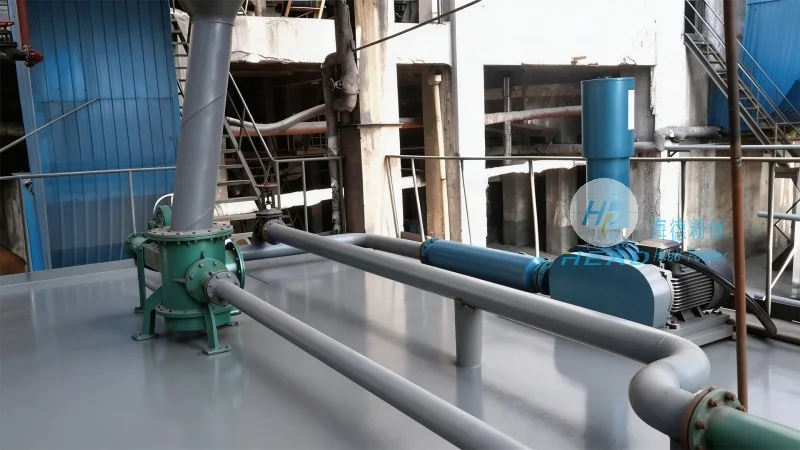
Material Feed System
The material feed system is responsible for introducing the nickel sulfate crystals into the conveying line. This component may include a hopper or bin equipped with a rotary valve or screw feeder to control the flow rate of the material. The design of the feed system must consider the characteristics of the crystalline material, such as its size, moisture content, and flowability, to prevent blockages and ensure consistent feeding.
Air Supply and Control Unit
The air supply unit provides the necessary airflow to move the material through the pipeline. This typically involves a blower or compressor that generates the required pressure and volume of air. The control unit regulates the air flow, pressure, and sometimes the temperature to optimize the conveying process. For nickel sulfate, which may be sensitive to temperature changes, precise control of the air parameters is essential to maintain material quality and prevent degradation.
Conveying Pipeline
The conveying pipeline is the main channel through which the material and air mixture travels. The choice of pipeline material, such as stainless steel or plastic, depends on the corrosive nature of the nickel sulfate solution and the operating conditions. The pipeline design, including bends, elbows, and straight sections, must be optimized to minimize pressure losses and prevent material deposition or clogging. For dense-phase systems, the pipeline may be equipped with pressure vessels or surge tanks to maintain the material's flow characteristics.
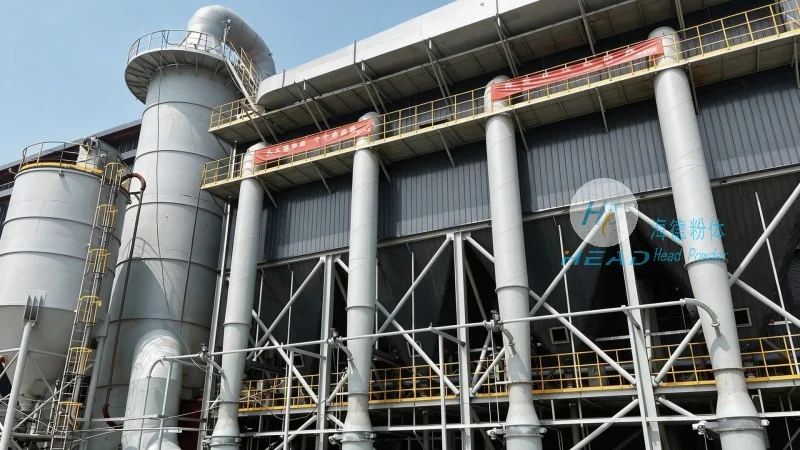
Separation and Collection Equipment
At the end of the conveying line, the material and air mixture must be separated. This is achieved using a cyclone separator or a baghouse filter. The cyclone uses centrifugal force to separate the solid particles from the air, while the baghouse captures fine particles using fabric filters. The collected nickel sulfate crystals are then discharged into a storage bin or processing vessel. Proper maintenance of these separation units is crucial to prevent dust emissions and ensure the purity of the transported material.
Control System
The control system monitors and regulates all aspects of the pneumatic conveying process. It includes sensors for measuring pressure, flow rate, and temperature, as well as control valves and actuators. The system may also incorporate safety features, such as pressure relief valves and emergency shut-off mechanisms, to protect the equipment and personnel from potential hazards. For automated operations, the control system can be integrated with a programmable logic controller (PLC) to ensure consistent and reliable performance.
Customization and Application Considerations
HeadPowder Engineering Co., Ltd., a leading provider of industrial conveying solutions, specializes in designing and manufacturing customized pneumatic conveying systems tailored to the specific needs of nickel sulfate crystallization applications. With over [years] of experience in the field, HeadPowder offers a range of solutions, from standard dilute-phase systems to advanced dense-phase configurations. The company's engineering team works closely with clients to assess their operational requirements, material properties, and site conditions to develop optimal system designs. By incorporating the latest technologies and materials, HeadPowder ensures that its systems deliver high efficiency, low maintenance costs, and long service life.
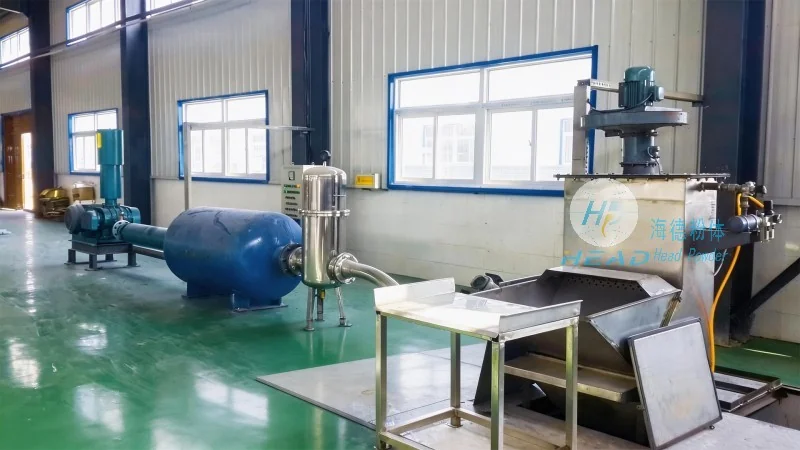
HeadPowder's commitment to quality and customer satisfaction is reflected in its comprehensive approach to system design and implementation. The company's facilities in Shandong, China, are equipped with state-of-the-art manufacturing and testing capabilities, allowing for rigorous quality control and performance validation before delivery. This ensures that each pneumatic conveying system meets the highest industry standards and is ready for immediate integration into the client's production process.
Whether for small-scale laboratory applications or large-scale industrial operations, HeadPowder's nickel sulfate crystallization pneumatic conveying systems provide reliable and efficient material transport solutions. By understanding the classification and composition of these systems, as well as the specific requirements of the material being handled, industries can optimize their processes and achieve enhanced productivity. With HeadPowder as a partner, businesses can trust in the performance and durability of their conveying equipment, ensuring smooth and uninterrupted operation in the handling of nickel sulfate crystallization products.