

[Dust Pneumatic Conveying Systems: An Analysis]
HeadPowder, a leading engineering firm based in Shandong, China, specializes in the design and implementation of dust pneumatic conveying systems. These systems are critical in various industrial applications where the efficient and safe transport of powders and granular materials is essential. This article provides an in-depth look at the components, working principles, and applications of dust pneumatic conveying systems, highlighting the expertise and solutions offered by Shandong HeadPowder Engineering Co., Ltd.
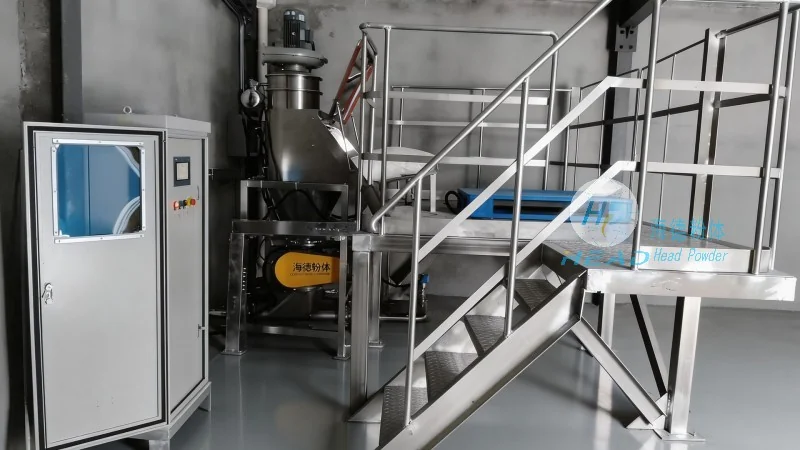
Key Components of Dust Pneumatic Conveying Systems
A dust pneumatic conveying system typically consists of several key components that work in tandem to ensure the reliable transport of materials. The primary components include a material feed hopper, a conveying line (often equipped with bends and elbows), a vacuum or pressure source (such as a blower or compressor), and a receiver or discharge hopper. Each component plays a crucial role in the overall operation of the system. The feed hopper is responsible for storing and feeding the material into the conveying line, while the conveying line transports the material from the source to the destination. The vacuum or pressure source provides the necessary force to move the material through the system, and the receiver or discharge hopper collects the material at the end of the line. Additionally, some systems may include filters, cyclones, or other separation equipment to ensure the material is handled cleanly and efficiently.
Working Principles of Pneumatic Conveying
The fundamental principle behind dust pneumatic conveying is the use of air to move material particles. There are two main types of pneumatic conveying systems: vacuum systems and pressure systems. Vacuum systems operate by creating a negative pressure in the conveying line, which draws material from the source into the line. This method is often used for long-distance or high-rise applications where the material needs to be lifted vertically. Pressure systems, on the other hand, use positive pressure to push material through the line. These systems are typically used for shorter distances or when the material needs to be transported horizontally or at a slight incline. The choice between vacuum and pressure systems depends on the specific requirements of the application, including the material properties, distance, and elevation changes.
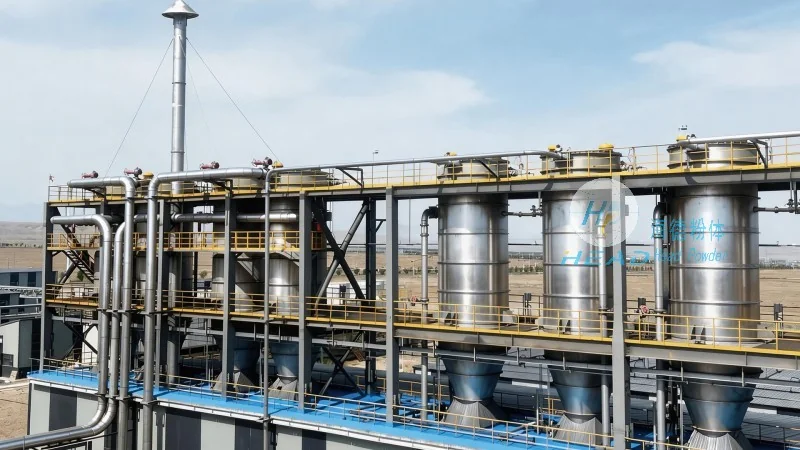
Applications in Industrial Settings
Dust pneumatic conveying systems are widely used in various industries due to their versatility and efficiency. In the pharmaceutical industry, these systems are used to transport powders and granules with high purity requirements, ensuring that the material remains clean and free from contamination. In the food industry, pneumatic conveying is used to transport ingredients such as flour, sugar, and spices, maintaining the quality and integrity of the products. The chemical industry also relies on these systems to transport powders and granules, particularly in processes where dust control and material handling efficiency are critical. Additionally, in the cement and construction industries, pneumatic conveying is used to transport raw materials and finished products, improving the overall productivity of the operations. HeadPowder's expertise in designing and implementing these systems ensures that clients receive tailored solutions that meet their specific operational needs and industry standards.
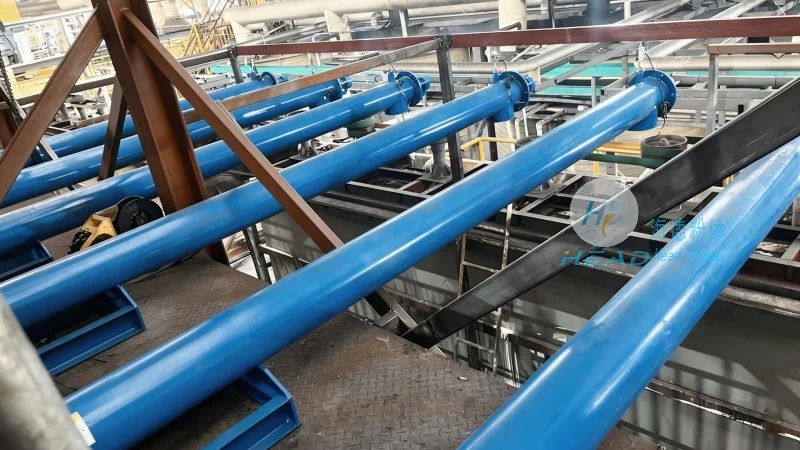
Advantages of Pneumatic Conveying Over Traditional Methods
Compared to traditional material handling methods such as belt conveyors or bucket elevators, dust pneumatic conveying systems offer several advantages. One of the key benefits is the ability to transport materials in a closed system, which helps to prevent dust emissions and maintain a clean working environment. This is particularly important in industries where dust control is a regulatory requirement or where product contamination must be avoided. Another advantage is the flexibility of the system, as it can be easily adjusted to accommodate changes in material flow rates or operational conditions. Pneumatic conveying also allows for the transport of materials over long distances and through vertical elevations, which may be difficult or impractical with other methods. Additionally, these systems can handle a wide range of material types, including fine powders, granules, and bulk materials, making them suitable for diverse industrial applications. HeadPowder's systems are designed to maximize these advantages, providing clients with efficient, reliable, and cost-effective material handling solutions.
Customization and Engineering Solutions by HeadPowder
Shandong HeadPowder Engineering Co., Ltd. specializes in providing customized pneumatic conveying solutions tailored to the unique needs of each client. The company's engineering team works closely with clients to understand their operational requirements, material characteristics, and industry standards to design a system that meets their specific needs. HeadPowder's expertise in material handling and pneumatic systems allows them to develop solutions that optimize performance, reduce downtime, and improve overall efficiency. The company's systems are built with high-quality components and materials, ensuring durability and long-term reliability. Additionally, HeadPowder provides comprehensive support services, including installation, maintenance, and troubleshooting, to ensure that clients can maximize the benefits of their pneumatic conveying systems. By partnering with HeadPowder, clients can benefit from the company's extensive experience and expertise in the field, ensuring that their material handling needs are met with the highest level of quality and service.