

[Dry Sand Pneumatic Conveying System Analysis]
Understanding the dry sand pneumatic conveying system is crucial for industries dealing with bulk materials, particularly in applications where efficient and reliable material transport is essential. This system represents a sophisticated approach to handling dry sand and similar particulate materials, offering advantages over traditional methods such as belt conveyors or manual handling. The core of this technology lies in the use of air pressure to move material through a pipeline network, ensuring minimal loss and contamination while maintaining operational efficiency.
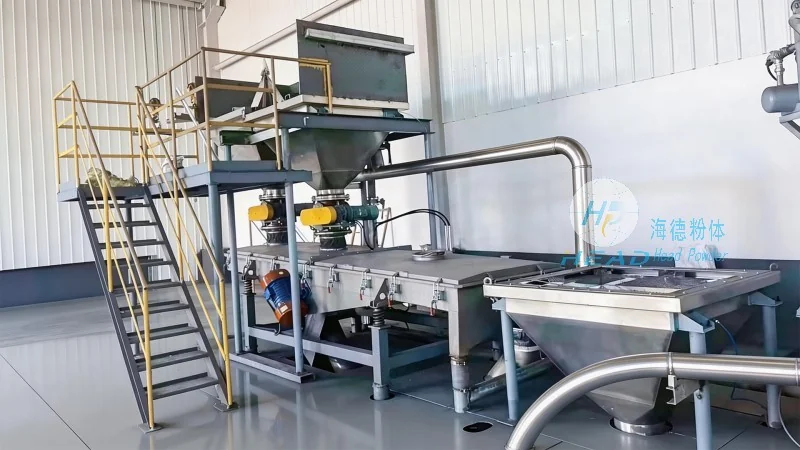
Key Components of a Dry Sand Pneumatic Conveying System
The dry sand pneumatic conveying system consists of several critical components that work in tandem to ensure smooth operation. These components include the material hopper, which serves as the storage and feeding unit, the air compressor or blower that generates the necessary air pressure, the conveying line (typically made of stainless steel or other corrosion-resistant materials to handle dry sand and prevent clogging), and the control system that regulates the flow of material and air. Additionally, the system may incorporate features like cyclone separators or filters to separate the conveyed material from the air stream, ensuring that the material is deposited at the desired location without contamination. The design of these components is tailored to handle the specific characteristics of dry sand, such as particle size, density, and moisture content, to optimize performance and minimize operational issues.
How the Dry Sand Pneumatic Conveying System Works
The operation of a dry sand pneumatic conveying system involves a sequence of steps that ensure efficient material transport. Initially, dry sand is fed from the hopper into the conveying line under the pressure of the air compressor. The air, under high pressure, creates a flow that carries the sand particles through the pipeline. As the material travels, it may encounter various components such as bends, expansions, or reductions in pipe diameter, which are designed to maintain the flow and prevent blockages. The system uses a combination of positive pressure (where air pushes the material forward) and negative pressure (where air is drawn to pull the material) to achieve the desired conveying distance and speed. The control system plays a vital role in regulating the air pressure and material feed rate, ensuring that the system operates within optimal parameters and prevents overloading or underloading. The final stage involves the deposition of the dry sand at the discharge point, where the material is separated from the air stream and collected in a storage bin or processing unit.
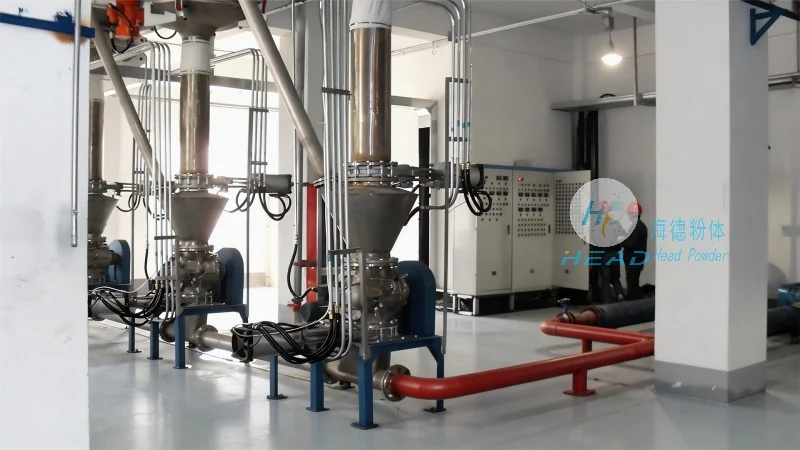
Advantages of Using a Dry Sand Pneumatic Conveying System
Implementing a dry sand pneumatic conveying system offers numerous advantages over traditional material handling methods. One of the primary benefits is the ability to transport dry sand over long distances with minimal loss and contamination. Unlike belt conveyors, which may cause material degradation or spillage, pneumatic systems keep the material enclosed within the pipeline, reducing the risk of dust exposure and environmental contamination. Additionally, these systems are highly flexible, allowing for changes in the conveying route or destination without significant modifications to the infrastructure. The compact design of the system also saves space, making it suitable for facilities with limited floor area. Furthermore, the system operates with lower maintenance requirements compared to other bulk material handling equipment, as the components are designed to withstand the abrasive nature of dry sand and resist corrosion. The energy efficiency of pneumatic conveying systems is another key advantage, as they can achieve high material throughput with relatively low power consumption. Overall, the dry sand pneumatic conveying system provides a reliable and cost-effective solution for industries that require efficient and safe transport of dry sand and similar materials.
Applications of Dry Sand Pneumatic Conveying Systems
Dry sand pneumatic conveying systems find wide applications across various industries, particularly in sectors where dry sand is a key raw material or byproduct. In the construction industry, these systems are used to transport sand from storage silos to mixing plants or construction sites, ensuring a consistent supply of material for concrete production. The mining industry also benefits from this technology, as it allows for the efficient transport of sand from mining sites to processing facilities or storage areas. The chemical and pharmaceutical industries utilize dry sand pneumatic conveying systems to handle sand-based materials in production processes, ensuring that the materials are transported without contamination or degradation. Additionally, in the food processing industry, similar systems are employed to transport sand used in filtration or as a base material for certain products. The versatility of the dry sand pneumatic conveying system makes it suitable for a range of applications, from small-scale operations to large industrial facilities.
Customization and Integration with Existing Systems
Shandong HeadPowder Engineering Co., Ltd. specializes in designing and manufacturing customized dry sand pneumatic conveying systems tailored to the specific needs of clients. The company, based in Shandong, China, leverages years of experience in the field to provide solutions that meet the unique requirements of each project. Customization options include adjustments to the conveying line diameter, material hopper capacity, and air compressor specifications to optimize performance for different types of dry sand. The company also offers integration services, allowing the dry sand pneumatic conveying system to be seamlessly incorporated into existing production lines or facilities. This ensures that the system operates in harmony with other equipment, minimizing downtime and maximizing efficiency. The engineering team at Shandong HeadPowder Engineering Co., Ltd. works closely with clients to understand their operational needs and provide tailored solutions that enhance productivity and reduce operational costs. By leveraging advanced design and manufacturing capabilities, the company ensures that each dry sand pneumatic conveying system is built to the highest standards of quality and reliability.
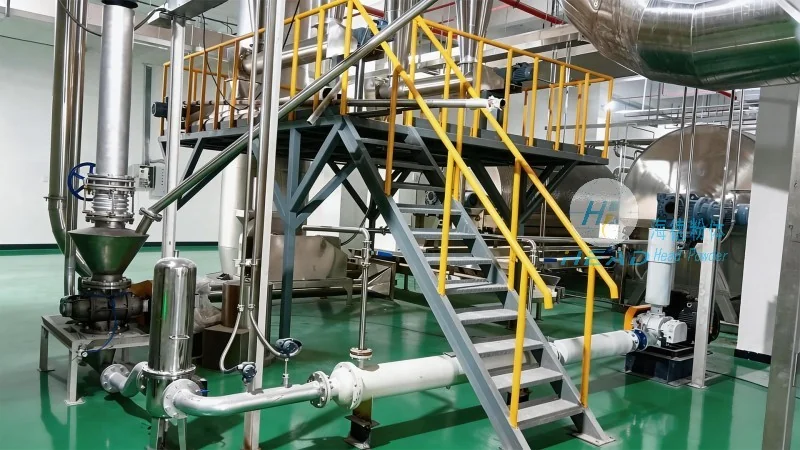
Maintenance and Operational Considerations
Proper maintenance is essential to ensure the long-term performance and reliability of a dry sand pneumatic conveying system. Regular inspection of components such as the air compressor, conveying line, and cyclone separators is crucial to identify and address potential issues before they escalate into major problems. The air compressor, for example, should be checked for proper air pressure and oil levels to prevent overheating or damage. The conveying line should be inspected for signs of wear or corrosion, and any blockages should be cleared promptly to maintain smooth operation. The control system should be calibrated regularly to ensure accurate regulation of the material and air flow. Additionally, the cyclone separators and filters should be cleaned or replaced as needed to maintain efficient material separation and prevent clogging. Operational considerations also include monitoring the system's performance metrics, such as material throughput and air pressure, to identify any deviations from optimal operation. By following a regular maintenance schedule and monitoring operational parameters, users can extend the lifespan of the system and minimize downtime. Shandong HeadPowder Engineering Co., Ltd. provides maintenance services and support to clients, ensuring that their dry sand pneumatic conveying systems operate at peak efficiency and remain reliable over time.
Conclusion
The dry sand pneumatic conveying system represents a sophisticated and efficient solution for the transport of dry sand and similar bulk materials. With its ability to handle long distances, minimize loss and contamination, and operate with low maintenance requirements, this technology offers significant advantages over traditional material handling methods. Industries such as construction, mining, and chemical processing benefit greatly from the implementation of dry sand pneumatic conveying systems, as they enhance productivity and ensure consistent material supply. Shandong HeadPowder Engineering Co., Ltd., based in Shandong, China, specializes in the design, manufacturing, and integration of customized dry sand pneumatic conveying systems, providing tailored solutions that meet the unique needs of clients. By leveraging advanced engineering and manufacturing capabilities, the company ensures that each system is built to the highest standards of quality and reliability, contributing to the overall efficiency and success of industrial operations.