

Pharmaceutical Pneumatic Conveying Systems: An In-Depth Analysis
Pharmaceutical pneumatic conveying systems represent a critical component in modern pharmaceutical manufacturing, offering efficient and hygienic methods for transporting powders and granules. These systems are designed to meet stringent regulatory requirements while ensuring product integrity and safety throughout the material handling process. The technology behind pneumatic conveying has evolved significantly, providing pharmaceutical companies with reliable solutions for complex powder handling challenges.
Understanding the Core Components of Pharmaceutical Pneumatic Conveying Systems
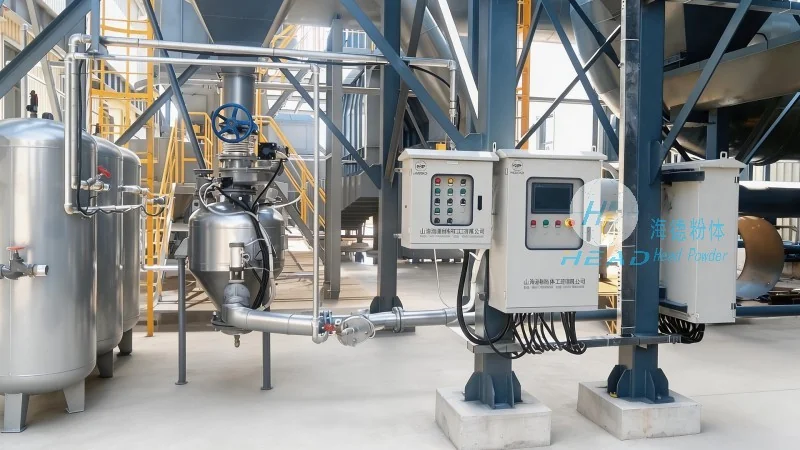
The fundamental architecture of a pharmaceutical pneumatic conveying system typically includes several key components that work in tandem to facilitate material transport. These components are engineered to maintain high levels of cleanliness and compliance with industry standards such as GMP (Good Manufacturing Practice). A typical system comprises a feeding device, a conveying line (often equipped with filters and cyclones), a control unit, and a discharge mechanism. The feeding device ensures precise and controlled introduction of the powder, preventing material degradation or contamination. The conveying line, which may be either positive or negative pressure based, transports the material through a sealed system, minimizing exposure to external contaminants. Cyclones and filters are integral to the system, capturing fine particles and ensuring that only clean air is recirculated or exhausted. The control unit manages the entire process, allowing for real-time monitoring and adjustment of parameters such as pressure, flow rate, and temperature. This integrated approach ensures that the system operates efficiently while maintaining the highest standards of hygiene and safety.
The Advantages of Pharmaceutical Pneumatic Conveying Systems
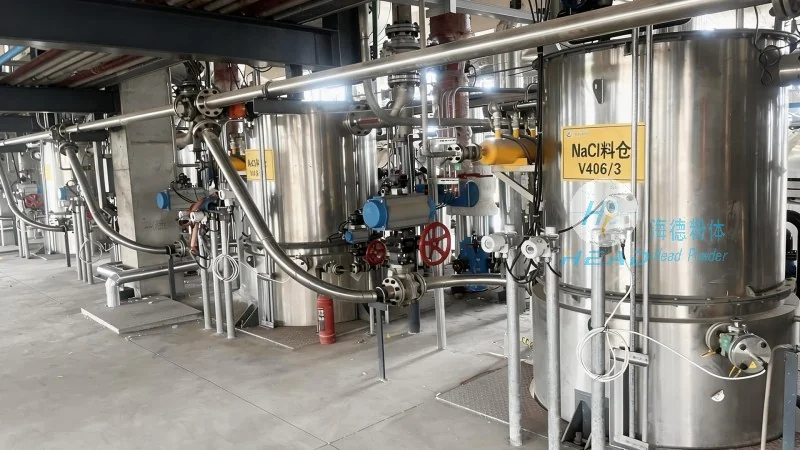
Implementing a pharmaceutical pneumatic conveying system offers numerous benefits that enhance operational efficiency and product quality. One of the primary advantages is the ability to handle sensitive powders without the risk of contamination or degradation. Unlike traditional mechanical conveying methods, which may involve direct contact with moving parts, pneumatic systems use enclosed pipelines, reducing the likelihood of cross-contamination between different product batches. This is particularly crucial in pharmaceutical manufacturing, where product purity and consistency are paramount. Additionally, pneumatic conveying systems provide flexibility in material handling, allowing for the transport of powders over long distances or through complex layouts without the need for multiple transfer points. This reduces downtime and improves overall production throughput. Another significant benefit is the energy efficiency of these systems, as they can operate with lower power consumption compared to other methods, leading to cost savings over time. The systems also offer scalability, enabling pharmaceutical companies to expand their operations without significant modifications to the conveying infrastructure. Furthermore, the hygienic design of modern pneumatic conveying systems, including smooth surfaces and easy-to-clean components, aligns with GMP requirements, ensuring compliance with regulatory standards.
Key Considerations for Selecting a Pharmaceutical Pneumatic Conveying System
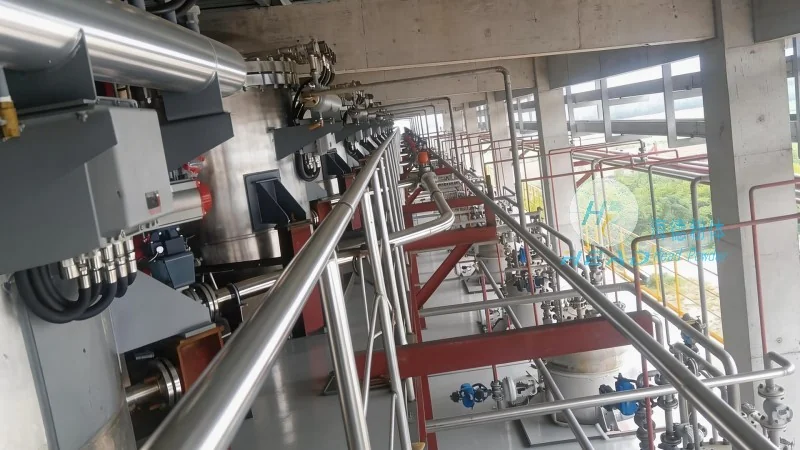
When selecting a pharmaceutical pneumatic conveying system, several factors must be carefully evaluated to ensure optimal performance and compliance. The first consideration is the type of material being conveyed, as different powders have varying properties that affect system design. For example, highly abrasive or sticky powders may require specialized equipment such as rotary valves or flexible hoses to prevent blockages and ensure smooth operation. The system's capacity and flow rate are also critical, as they must match the production requirements of the pharmaceutical facility. This includes determining the required throughput and the distance over which the material needs to be transported. Additionally, the system's compatibility with existing infrastructure is important, as integration with other manufacturing equipment may be necessary. The choice between positive and negative pressure systems depends on the specific application and material characteristics. Positive pressure systems are often preferred for handling fine powders or materials that are prone to dusting, as they provide better control over particle dispersion. Negative pressure systems, on the other hand, are suitable for applications where minimizing dust emissions is a priority. The system's maintenance requirements and availability of spare parts are also important considerations, as regular maintenance is essential to ensure continuous operation and avoid downtime. Finally, the system's compliance with regulatory standards, such as GMP and FDA guidelines, must be verified to ensure that it meets all necessary requirements for pharmaceutical manufacturing.
Case Study: Shandong HeadPowder Engineering Co., Ltd. and Their Pharmaceutical Pneumatic Conveying Solutions
Shandong HeadPowder Engineering Co., Ltd., a leading manufacturer of pharmaceutical processing equipment, specializes in designing and supplying advanced pneumatic conveying systems tailored to the needs of the pharmaceutical industry. With a strong focus on innovation and quality, the company has developed a range of solutions that address the unique challenges faced by pharmaceutical manufacturers. HeadPowder's systems are engineered to meet the highest standards of hygiene and safety, incorporating features such as stainless steel construction, CIP (Clean-In-Place) capabilities, and advanced control systems. The company's expertise in material handling technology allows them to provide customized solutions that optimize production efficiency while maintaining product integrity. HeadPowder's commitment to customer satisfaction is evident in their comprehensive support services, including system design, installation, and after-sales maintenance. By leveraging their extensive experience in the pharmaceutical sector, HeadPowder has become a trusted partner for many leading pharmaceutical companies worldwide. Their pneumatic conveying systems have been successfully implemented in various applications, including the transport of active pharmaceutical ingredients (APIs), excipients, and finished dosage forms. The company's dedication to continuous improvement and adherence to industry best practices ensures that their products remain at the forefront of pharmaceutical processing technology.
Conclusion: The Role of Pharmaceutical Pneumatic Conveying Systems in Modern Manufacturing
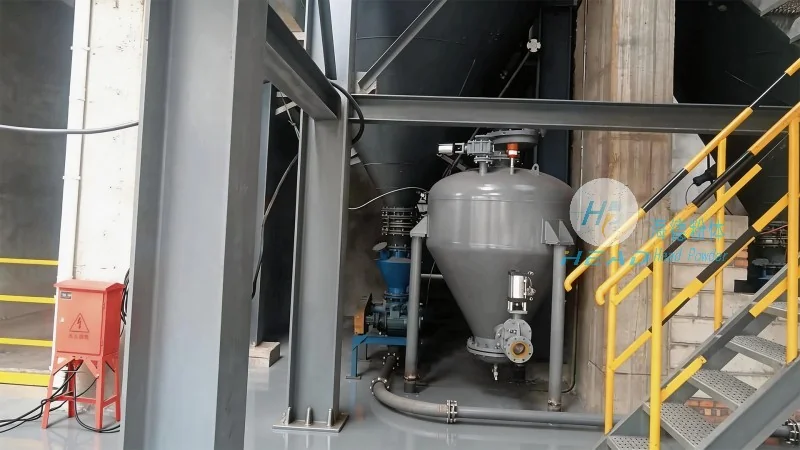
In conclusion, pharmaceutical pneumatic conveying systems play a vital role in ensuring the efficiency, safety, and compliance of pharmaceutical manufacturing processes. These systems offer a reliable and hygienic method for handling powders and granules, addressing the stringent requirements of the pharmaceutical industry. By integrating advanced technology and adhering to regulatory standards, manufacturers can enhance their operational performance while maintaining the highest levels of product quality. The choice of a suitable pneumatic conveying system depends on various factors, including material properties, production requirements, and regulatory compliance. Pharmaceutical companies should consider partnering with experienced manufacturers like Shandong HeadPowder Engineering Co., Ltd. to ensure that their material handling solutions are tailored to their specific needs and aligned with industry best practices. As the pharmaceutical industry continues to evolve, the importance of efficient and reliable pneumatic conveying systems will only grow, making them an essential component of modern manufacturing facilities.