

Analysis of Grain Pneumatic Conveying Systems
Grain pneumatic conveying systems are critical in modern agricultural and food processing industries, providing efficient and reliable methods for transporting bulk materials like grains, powders, and other dry products. These systems utilize air pressure or vacuum to move materials through pipelines, offering advantages such as reduced contamination, improved safety, and enhanced operational flexibility compared to traditional mechanical conveyors. The technology has evolved significantly over the years, with advancements in design and control systems enabling more precise and energy-efficient material handling. Understanding the components, operation principles, and applications of these systems is essential for optimizing production processes and ensuring consistent quality in grain handling operations.
About Shandong HeadPowder Engineering Co., Ltd.
HeadPowder, a leading manufacturer in the field of pneumatic conveying equipment, specializes in designing, manufacturing, and supplying high-quality grain pneumatic conveying systems. With a strong commitment to innovation and customer satisfaction, the company has established itself as a trusted partner for businesses in the agricultural, food, and industrial sectors. HeadPowder's team of experienced engineers and technicians leverages advanced technology and rigorous quality control measures to develop customized solutions that meet the unique needs of each client. The company's headquarters is located in Shandong, China, where it operates a state-of-the-art manufacturing facility equipped with modern production lines and testing equipment. HeadPowder's products are known for their durability, efficiency, and compliance with international standards, making them suitable for a wide range of applications from small-scale farms to large industrial processing plants.
Key Components of a Grain Pneumatic Conveying System
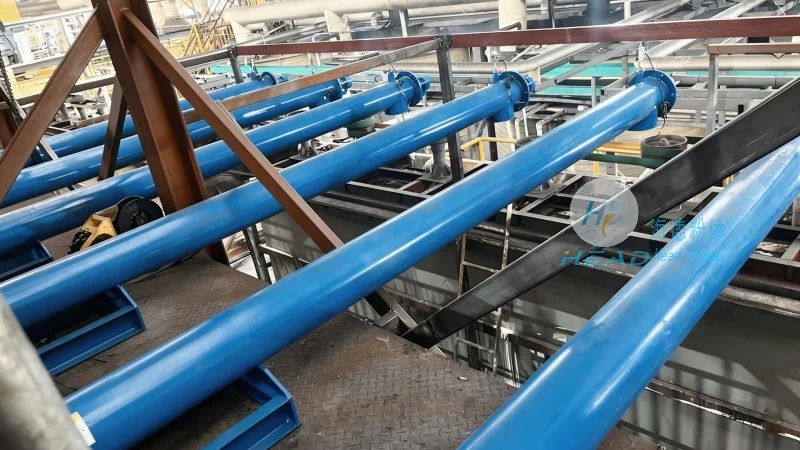
A typical grain pneumatic conveying system consists of several key components that work together to ensure smooth and efficient material transport. The main components include a hopper or feeder for material storage and feeding, a blower or vacuum pump to generate the air flow, a pipeline network for material transport, a control system for regulating air pressure and flow, and a discharge device for delivering the material to the destination. The hopper is designed to hold a sufficient quantity of grain, with a feeder mechanism that controls the flow rate into the system. The feeder then directs the material into the pipeline, where it is mixed with air from the blower or vacuum pump. The air flow creates a low-pressure environment that pulls the material particles into the pipeline, forming a dense phase or dilute phase flow depending on the system design. The dense phase system uses higher air velocities to move material in a compacted form, while the dilute phase system uses lower velocities, allowing for longer pipeline distances. The control system monitors the air pressure and flow rate, adjusting them as needed to maintain consistent material transport. The material travels through the pipeline to the discharge point, where it is separated from the air and collected in the final storage or processing area. The system is designed to handle various types of grains, including wheat, corn, rice, and other dry agricultural products, with minimal loss and contamination.
How Grain Pneumatic Conveying Systems Work
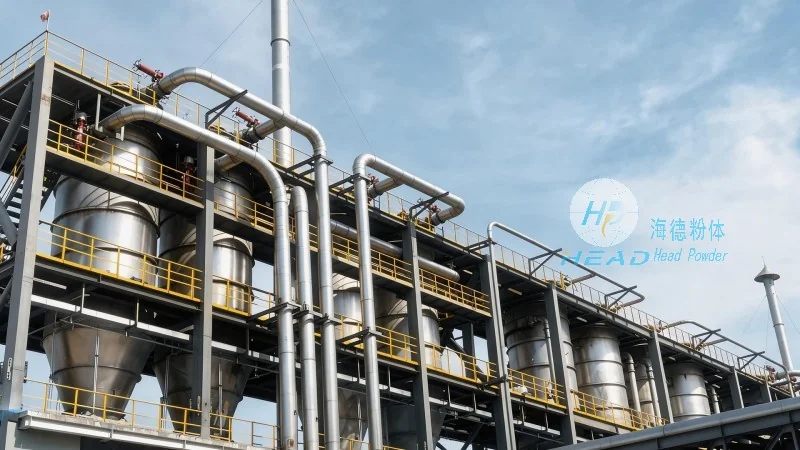
The operation of a grain pneumatic conveying system involves a series of steps that ensure the efficient movement of material. The process begins with the material being fed from the hopper into the feeder, which controls the flow rate. The feeder then directs the material into the pipeline, where it is mixed with air from the blower or vacuum pump. The air flow creates a low-pressure environment that pulls the material particles into the pipeline, forming a dense phase or dilute phase flow depending on the system design. The dense phase system uses higher air velocities to move material in a compacted form, while the dilute phase system uses lower velocities, allowing for longer pipeline distances. The control system monitors the air pressure and flow rate, adjusting them as needed to maintain consistent material transport. The material travels through the pipeline to the discharge point, where it is separated from the air and collected in the final storage or processing equipment. The system is designed to handle various types of grains, including wheat, corn, rice, and other dry agricultural products, with minimal loss and contamination.
Advantages of Using Grain Pneumatic Conveying Systems
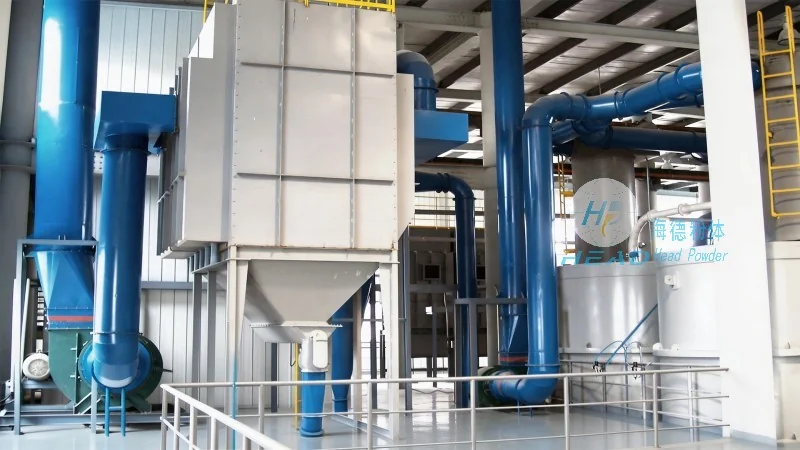
Grain pneumatic conveying systems offer several advantages over traditional mechanical conveyors, making them a preferred choice for many industries. One of the primary benefits is the reduction in material contamination, as the system is enclosed and uses clean air to transport the material. This is particularly important for food-grade products, where hygiene and safety are critical. Additionally, the systems are more energy-efficient compared to mechanical conveyors, as they use less power to move the same amount of material over longer distances. The enclosed design also improves safety by preventing dust explosions and reducing the risk of material spillage. Another advantage is the flexibility in system design, as the pipelines can be easily reconfigured or extended to accommodate changes in production needs. The systems are also capable of handling a wide range of materials, including fine powders and bulk grains, with consistent performance. Overall, grain pneumatic conveying systems provide a reliable and efficient solution for material handling, enhancing productivity and reducing operational costs.
Applications of Grain Pneumatic Conveying Systems
Grain pneumatic conveying systems are widely used in various industries, including agriculture, food processing, and industrial manufacturing. In the agricultural sector, these systems are used for transporting harvested grains from fields to storage facilities or processing plants. They are also used in grain mills and flour factories to move raw materials to grinding and processing equipment. The systems are essential in the food processing industry for transporting ingredients to production lines, such as in the manufacturing of cereals, snacks, and other food products. In industrial applications, they are used for handling bulk materials like powders, chemicals, and minerals, where efficient and safe transport is required. The versatility of grain pneumatic conveying systems makes them suitable for a wide range of applications, from small-scale farms to large industrial plants. HeadPowder's systems are designed to meet the specific needs of each application, ensuring optimal performance and reliability.