

Analysis of PP Pellet Pneumatic Conveying Systems
PP (polypropylene) pellets are widely used in various industrial applications due to their versatility and ease of processing. The efficient handling and transportation of these pellets are crucial for maintaining production efficiency and minimizing operational costs. Pneumatic conveying systems offer a reliable solution for transporting PP pellets over short to medium distances, providing advantages such as dust-free operation, reduced material degradation, and improved safety compared to traditional methods like belt conveyors or bucket elevators.
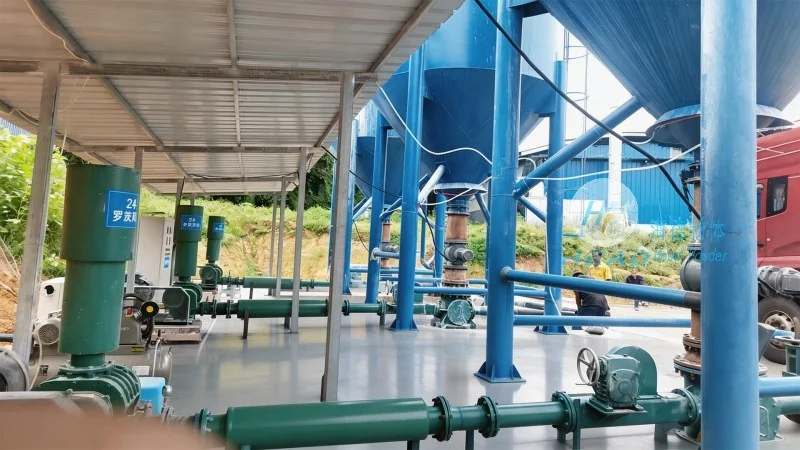
Key Components of a Pneumatic Conveying System for PP Pellets
A typical PP pellet pneumatic conveying system consists of several essential components that work in tandem to ensure smooth material transport. The primary components include a hopper for material storage, a feeder to control the flow rate, a conveying line (either positive or negative pressure), a receiver for the discharged material, and a filter system to capture any airborne particles. Each component plays a critical role in maintaining the system's performance and efficiency.
Positive and Negative Pressure Conveying Systems
There are two main types of pneumatic conveying systems used for PP pellets: positive pressure and negative pressure systems. Positive pressure systems operate by blowing air or gas into the conveying line, creating a pressure higher than the ambient air, which forces the material to move. This method is suitable for long-distance or high-capacity applications and is often preferred for abrasive or sticky materials like PP pellets. Negative pressure systems, on the other hand, create a vacuum in the conveying line, drawing the material from the source. These systems are ideal for short-distance transport and are generally more cost-effective for smaller applications.
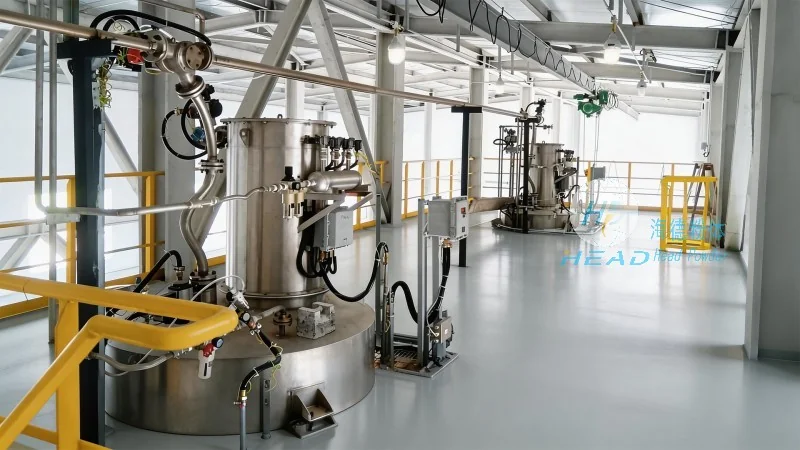
Advantages of Pneumatic Conveying for PP Pellets
Implementing a pneumatic conveying system for PP pellets offers numerous benefits that enhance overall operational performance. One of the most significant advantages is the elimination of dust and airborne particles, which not only improves workplace safety but also reduces the risk of material contamination. Unlike mechanical conveyors, pneumatic systems minimize material degradation, preserving the quality and properties of the PP pellets. Additionally, these systems are flexible and can be easily integrated into existing production lines, allowing for adjustments in flow rates and transport distances as needed. The compact design of pneumatic conveying equipment also saves valuable floor space, making it suitable for facilities with limited room for large machinery.
Applications in Industrial Settings
PP pellet pneumatic conveying systems are widely utilized across various industries, including plastics manufacturing, food processing, and chemical production. In the plastics industry, these systems are commonly used to transport PP pellets from storage silos to extrusion machines, ensuring a continuous and consistent supply of raw material. The food processing industry benefits from the hygienic design of pneumatic systems, which prevents cross-contamination and maintains the purity of food-grade PP pellets. Chemical manufacturers also rely on these systems to handle PP pellets in processes that require controlled material flow and minimal exposure to the environment.
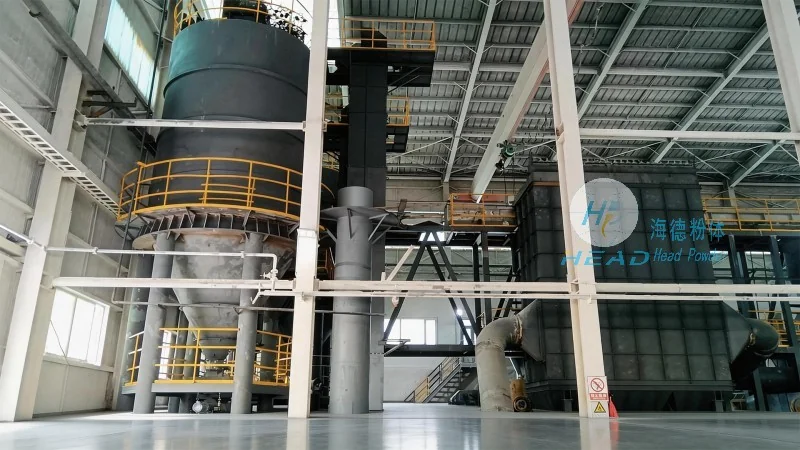
About Shandong HeadPowder Engineering Co., Ltd.
Shandong HeadPowder Engineering Co., Ltd., operating under the brand name headpowder, is a leading provider of customized pneumatic conveying solutions tailored to the specific needs of PP pellet handling. With years of experience in the industry, the company specializes in designing, manufacturing, and installing efficient and reliable pneumatic systems that meet the highest standards of performance and safety. HeadPowder's team of engineers and technicians works closely with clients to understand their operational requirements and develop tailored solutions that optimize material transport while reducing operational costs. The company's commitment to quality and customer satisfaction has made it a trusted partner for businesses seeking to enhance their PP pellet handling processes.
Conclusion
Pneumatic conveying systems represent a highly effective and efficient method for transporting PP pellets, offering numerous advantages over traditional mechanical conveyors. By leveraging the expertise of companies like Shandong HeadPowder Engineering Co., Ltd., businesses can implement tailored solutions that improve production efficiency, maintain material quality, and ensure workplace safety. As the demand for reliable and cost-effective material handling solutions continues to grow, pneumatic conveying systems remain a preferred choice for industries relying on PP pellets in their manufacturing processes.