

Introduction to Stabilizer Powder Conveying Systems: Advantages and Features of Pneumatic Conveying
Efficient and reliable material handling is a critical factor in modern industrial operations, particularly when dealing with fine powders such as stabilizer powders. The proper selection and implementation of a conveying system can significantly impact production efficiency, product quality, and overall operational costs. This article provides an in-depth overview of stabilizer powder conveying systems, with a focus on the benefits and characteristics of pneumatic conveying technology.
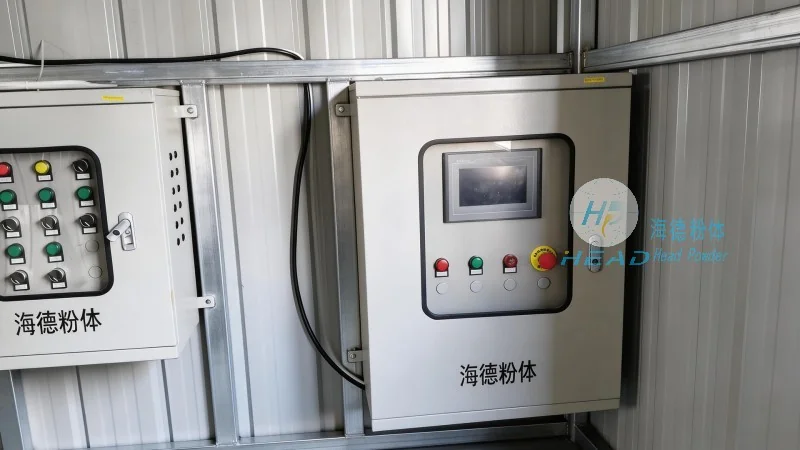
Overview of Stabilizer Powder Conveying Systems
Stabilizer powders are widely used in various industries, including plastics, rubber, and chemical manufacturing, to enhance the performance and stability of end products. The challenge lies in transporting these fine powders from storage to processing units without degradation, contamination, or loss. Conventional methods like bucket elevators or belt conveyors may not be suitable due to the high risk of material degradation, dust generation, and operational inefficiencies. Therefore, specialized conveying systems designed for fine powders have become essential. Shandong HeadPowder Engineering Co., Ltd., a leading provider of material handling solutions, specializes in designing and manufacturing advanced conveying systems tailored to the needs of industries handling fine powders like stabilizer powders.
Pneumatic Conveying Technology for Stabilizer Powders
Pneumatic conveying, also known as air conveying, is a method that uses compressed air to transport dry bulk materials like stabilizer powders through a pipeline system. This technology offers several advantages over traditional mechanical conveying methods, making it the preferred choice for many industrial applications. The core components of a pneumatic conveying system typically include a hopper, a blower or compressor, a pipeline network, and a discharge device. The system operates by creating a pressure differential that propels the powder particles through the pipeline using air flow.
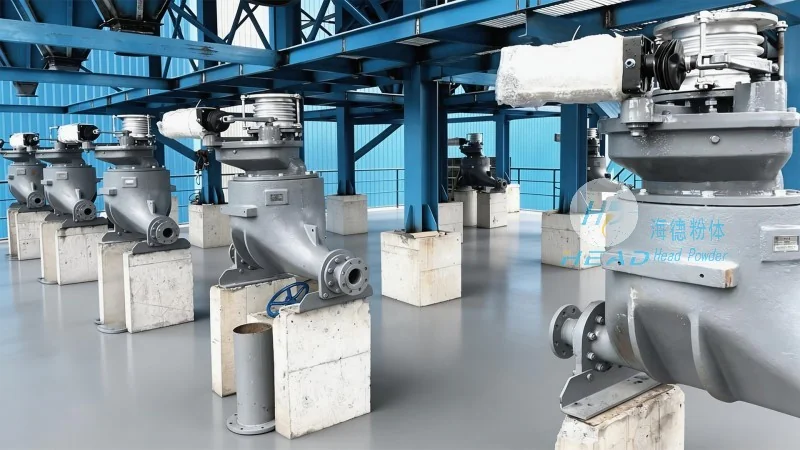
Key Advantages of Pneumatic Conveying for Stabilizer Powders
One of the primary benefits of pneumatic conveying is its ability to handle fine, abrasive, or hygroscopic powders without causing degradation or caking. Unlike mechanical systems that rely on physical contact and friction, pneumatic systems minimize particle attrition, ensuring that the stabilizer powder maintains its original properties. This is crucial for applications where the powder's performance characteristics are critical, such as in polymer compounding or rubber formulation.
Another significant advantage is the reduced risk of dust exposure and environmental contamination. Pneumatic conveying systems are enclosed, which helps contain dust and prevent it from entering the workplace or the environment. This not only improves safety but also complies with regulatory standards for air quality and occupational health. Additionally, the enclosed nature of the system reduces the risk of material loss during transport, leading to higher material recovery rates and lower operational costs.
Features and Customization Options
Modern stabilizer powder conveying systems are highly customizable to meet specific operational requirements. Companies like Shandong HeadPowder Engineering Co., Ltd. offer tailored solutions that can be adapted to various production scales and powder characteristics. Some key features include:
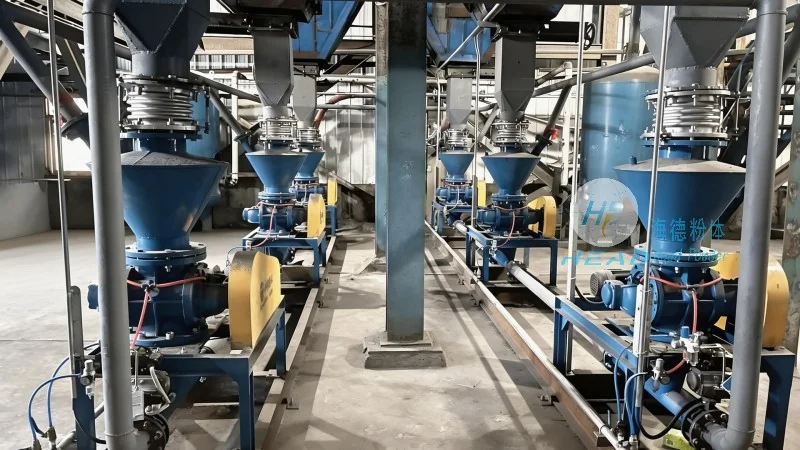
1. Variable Speed Control: Adjustable air flow and pressure settings allow for precise control over the conveying rate, ensuring consistent material flow and preventing overloading or underloading of downstream equipment.
2. Multiple Discharge Points: The ability to distribute the powder to multiple processing units from a single source reduces the need for additional storage and handling equipment, optimizing space utilization and improving workflow efficiency.
3. Self-Cleaning Pipeline Design: Advanced systems incorporate features that prevent material buildup and clogging, such as pulse-jet cleaning or rotary valves, ensuring continuous and reliable operation.
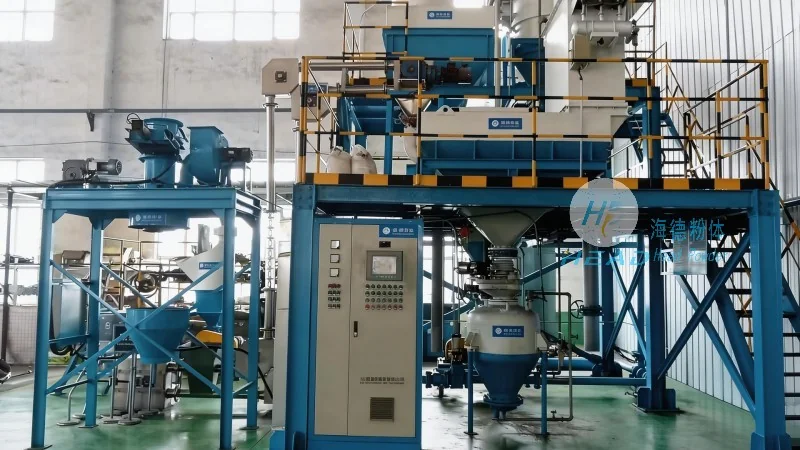
4. Integration with Automation: Pneumatic conveying systems can be integrated with automated control systems, enabling real-time monitoring and adjustment of conveying parameters. This enhances operational flexibility and reduces the need for manual intervention.
Conclusion and Company Overview
Investing in a high-quality stabilizer powder conveying system, particularly one utilizing pneumatic technology, can provide significant long-term benefits for industrial operations. The efficiency, reliability, and safety features of such systems make them a worthwhile investment for companies seeking to optimize their material handling processes. Shandong HeadPowder Engineering Co., Ltd., with its expertise in engineering and manufacturing, offers comprehensive solutions tailored to the unique needs of stabilizer powder applications. By leveraging advanced pneumatic conveying technology, businesses can enhance productivity, maintain product quality, and reduce operational costs, ultimately contributing to a more sustainable and competitive industrial operation.