

Types and Practical Applications of Pneumatic Conveying Systems for Dry Sand Transport
HeadPowder, a leading engineering firm based in Shandong, China, specializes in the design and implementation of pneumatic conveying systems tailored for dry sand transport. This article explores the various types of pneumatic conveying systems and their practical applications in industrial settings, providing insights into how these technologies enhance efficiency and reliability in material handling processes.
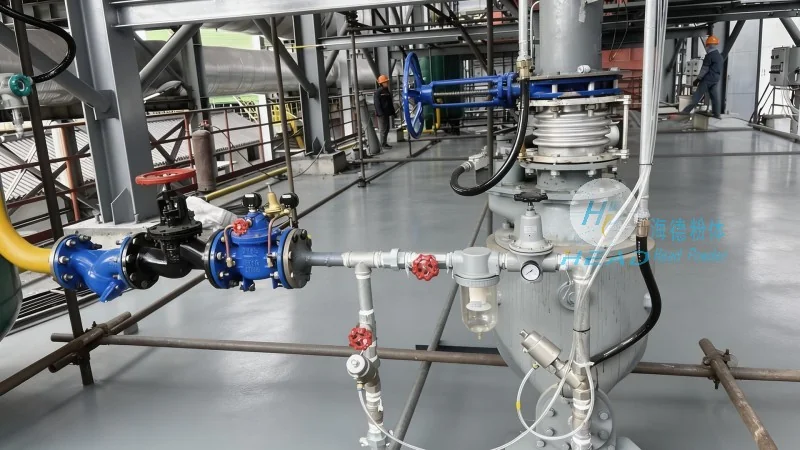
Understanding Pneumatic Conveying Systems for Dry Sand
Pneumatic conveying systems utilize air or gas to transport dry materials like sand through a pipeline network. These systems are widely adopted in industries such as construction, mining, and manufacturing due to their ability to handle abrasive and dusty materials without the need for mechanical components that may wear out quickly. The core principle involves creating a pressure differential to move the material, making it an ideal solution for long-distance and high-volume transport of dry sand.
Types of Pneumatic Conveying Systems
There are several types of pneumatic conveying systems, each suited to different operational requirements and material characteristics. The primary categories include:
1. Dilute Phase Conveying
Dilute phase systems operate by suspending the dry sand particles in a high-velocity air stream. This method is suitable for short to medium distances and low to moderate material loads. The system uses low pressure and high air velocity to keep the particles suspended, ensuring minimal wear on the pipeline and components. Dilute phase conveying is particularly effective for transporting fine dry sand particles where high velocity is required to prevent settling.
2. Dense Phase Conveying
Dense phase systems, also known as low-pressure or piston flow systems, transport dry sand in a more concentrated form. The material is moved in a slug or plug-like flow, reducing the velocity and pressure compared to dilute phase systems. This method is ideal for longer distances and for materials that are more abrasive or prone to degradation under high velocity. Dense phase conveying minimizes material degradation and reduces wear on equipment, making it suitable for sensitive dry sand applications.
3. Hybrid Conveying Systems
Hybrid systems combine elements of both dilute and dense phase technologies to optimize performance based on specific operational needs. These systems may use a combination of low and high pressure, allowing for flexible handling of dry sand in various conditions. Hybrid solutions are often employed in complex material handling scenarios where both long-distance transport and material protection are critical.
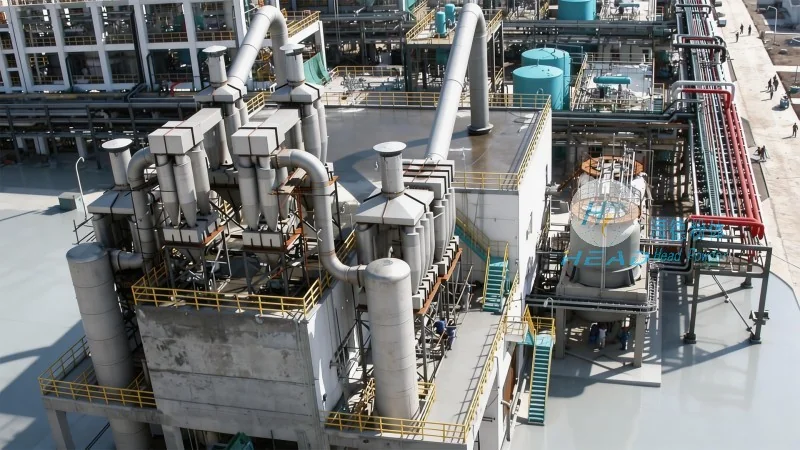
Practical Applications in Dry Sand Transport
The practical applications of pneumatic conveying systems for dry sand vary across different industries, each leveraging the system's unique advantages to improve operational efficiency. Some key applications include:
1. Construction Material Handling
In the construction industry, pneumatic conveying systems are used to transport dry sand from storage silos to job sites or processing facilities. This method eliminates the need for manual handling or truck transport, reducing labor costs and minimizing dust exposure. The systems can handle large volumes of dry sand quickly and reliably, ensuring a steady supply for construction projects. For example, in concrete production, dry sand is conveyed to mixing plants where it is combined with other materials to form the final product.
2. Mining and Mineral Processing
Mineral processing facilities rely on pneumatic conveying systems to transport dry sand and other mineral powders from extraction sites to processing units. The systems are designed to handle abrasive and high-volume materials, ensuring consistent flow and reducing downtime. Dense phase conveying is often preferred in mining applications to protect the equipment from wear and to maintain the integrity of the mineral particles. This technology supports efficient processing and reduces the environmental impact by minimizing dust emissions during transport.
3. Manufacturing and Processing Plants
Manufacturing plants, particularly those involved in the production of ceramics, glass, or other industrial products, utilize pneumatic conveying systems to move dry sand as a raw material. The systems help maintain a clean and controlled environment by preventing dust contamination and ensuring precise material delivery. Dilute phase systems are commonly used in these settings for their ability to handle fine dry sand particles with high efficiency. The technology enhances production line throughput and reduces the risk of material loss or contamination.
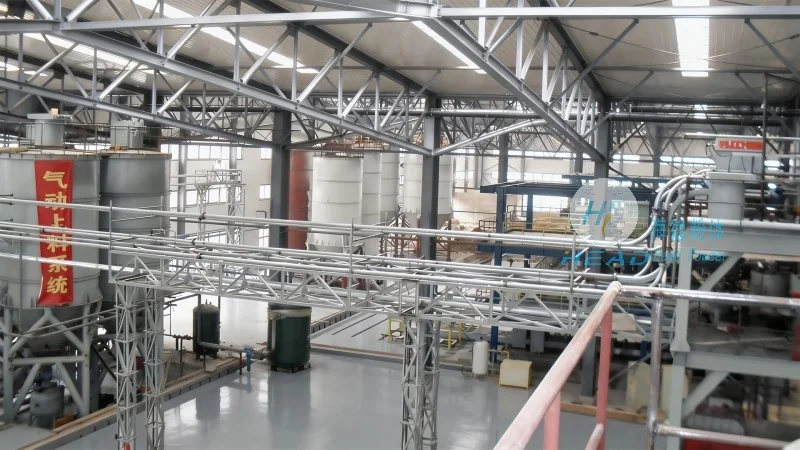
Benefits of Pneumatic Conveying Systems
Implementing pneumatic conveying systems for dry sand transport offers numerous benefits that contribute to improved operational performance and cost savings. Key advantages include:
1. Enhanced Efficiency and Throughput
Pneumatic conveying systems can transport dry sand at high speeds and in large volumes, significantly increasing the throughput compared to traditional methods like belt conveyors or trucks. This efficiency is crucial for industries that require continuous material flow, such as construction and manufacturing. The ability to handle long distances without intermediate storage points further boosts operational efficiency.
2. Reduced Maintenance and Downtime
Unlike mechanical systems that involve moving parts and wear components, pneumatic conveying systems have fewer moving parts, reducing the risk of mechanical failure and maintenance requirements. The lack of direct contact between the material and the system components minimizes wear and tear, leading to lower maintenance costs and extended equipment lifespan. This reliability ensures consistent operation and reduces downtime, which is critical for maintaining production schedules.
3. Improved Safety and Environmental Control
Dust control is a major concern in dry sand handling, and pneumatic conveying systems address this by containing the material within a sealed pipeline. This reduces dust emissions and improves workplace safety by minimizing exposure to airborne particles. The sealed system also prevents material contamination from external sources, ensuring the dry sand remains clean and suitable for its intended use. Additionally, the reduced need for manual handling reduces the risk of accidents and injuries in the workplace.
Conclusion
HeadPowder's expertise in designing and implementing pneumatic conveying systems for dry sand transport highlights the importance of tailored engineering solutions in modern material handling. By understanding the different types of systems and their practical applications, industries can optimize their operations, improve efficiency, and reduce costs. The benefits of these systems, including enhanced throughput, reduced maintenance, and improved safety, make them a valuable investment for any organization involved in dry sand handling. As a leading provider based in Shandong, China, HeadPowder continues to innovate and provide reliable solutions that meet the evolving needs of the industry.