

Types and Practical Applications of Pneumatic Conveying Systems in Wheat Handling
HeadPowder, a leading engineering firm based in Shandong, China, specializes in the design and implementation of advanced pneumatic conveying systems tailored for wheat handling operations. This article explores the various types of pneumatic conveying systems and their practical applications in the wheat industry, highlighting the technological advancements and operational benefits that these systems offer.
Understanding Pneumatic Conveying Systems for Wheat
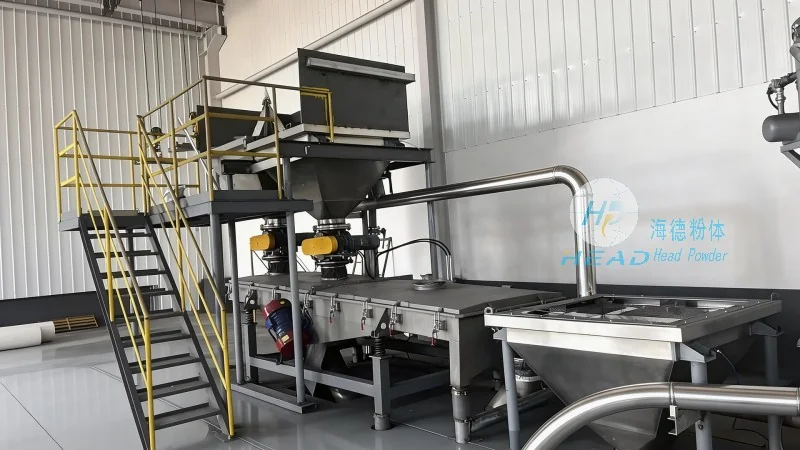
Pneumatic conveying systems are essential for efficient and safe transportation of wheat from storage facilities to processing plants or distribution centers. These systems utilize air pressure to move bulk materials like wheat, offering advantages such as reduced dust exposure, improved hygiene, and enhanced operational flexibility compared to traditional mechanical conveying methods.
Types of Pneumatic Conveying Systems
There are primarily three types of pneumatic conveying systems commonly used in wheat handling: positive pressure, negative pressure, and mixed pressure systems. Each type has distinct characteristics and is suitable for different operational requirements.
Positive Pressure Pneumatic Conveying Systems
Positive pressure systems operate by blowing air into the conveying line, creating a pressure higher than the ambient air pressure. This method is ideal for long-distance and high-capacity applications, as it can effectively transport wheat over considerable distances without significant pressure loss. The system typically includes a blower, a hopper for material loading, and a discharge point at the destination. Positive pressure systems are often preferred in large-scale wheat processing facilities due to their ability to handle high volumes with minimal maintenance.
Negative Pressure Pneumatic Conveying Systems
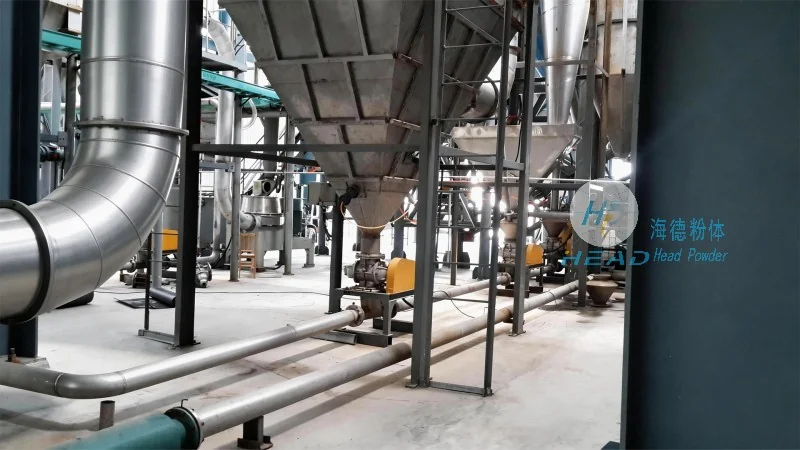
Negative pressure systems, also known as vacuum systems, work by creating a vacuum in the conveying line, drawing the wheat material from the source into the system. This approach is suitable for shorter distances and applications where dust control is a priority, as the system operates under negative pressure, preventing dust from escaping into the environment. Negative pressure systems are commonly used in facilities where hygiene and environmental compliance are critical, such as in food processing plants. They are also effective for handling materials that are prone to degradation or contamination if exposed to air.
Mixed Pressure Pneumatic Conveying Systems
Mixed pressure systems combine elements of both positive and negative pressure systems, offering a versatile solution for complex wheat handling scenarios. These systems can operate in either positive or negative pressure mode depending on the specific needs of the application. For instance, they may use positive pressure for the initial transport segment and negative pressure for the final delivery to a processing unit. This flexibility allows mixed pressure systems to optimize energy consumption and operational efficiency, making them suitable for medium to large-scale wheat processing operations.
Practical Applications in Wheat Handling
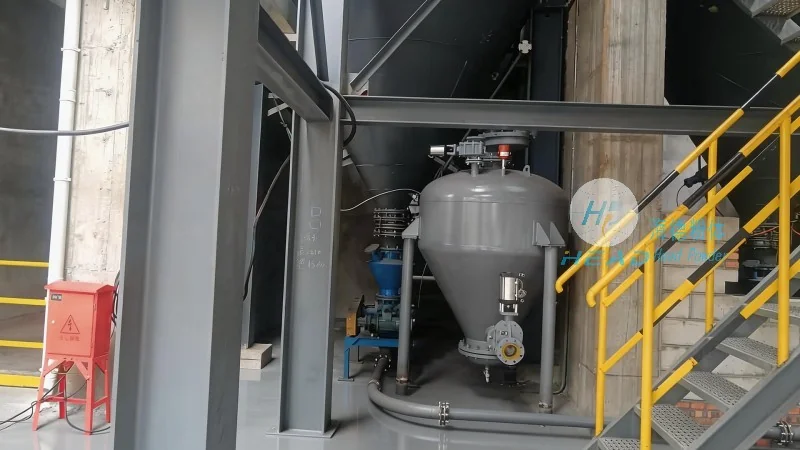
The practical applications of pneumatic conveying systems in wheat handling span various stages of the supply chain, from storage and transport to processing and packaging. In storage facilities, these systems are used to transfer wheat from silos or bulk storage bins to processing lines, ensuring a continuous and controlled flow of material. During transportation, pneumatic conveying systems enable the safe and efficient movement of wheat between different locations, whether within a facility or between facilities. In processing plants, the systems are crucial for delivering wheat to milling or grinding equipment, where it is converted into flour or other products. Additionally, pneumatic conveying systems are used in packaging operations to move finished wheat products to packaging lines, ensuring a smooth and efficient production process.
Operational Benefits and Considerations
Implementing pneumatic conveying systems in wheat handling operations provides several operational benefits. These include improved safety by reducing manual handling of bulk materials, enhanced hygiene through enclosed systems, and increased efficiency through automated material transport. However, the selection of the appropriate system type depends on factors such as the distance of transport, the volume of wheat to be handled, the required dust control measures, and the overall facility layout. Proper system design and maintenance are critical to ensure optimal performance and longevity of the equipment.
Conclusion
HeadPowder, with its expertise in engineering and design, offers tailored pneumatic conveying solutions for wheat handling that address the specific needs of modern agricultural and food processing industries. By understanding the different types of pneumatic conveying systems and their practical applications, businesses can enhance their operational efficiency, improve product quality, and ensure compliance with industry standards. The integration of advanced pneumatic conveying systems is a key step toward optimizing wheat handling processes and achieving sustainable operational outcomes.