

Types and Practical Applications of Pneumatic Conveying Systems in Grain Handling
HeadPowder, a leading provider of engineering solutions, specializes in the design and implementation of pneumatic conveying systems tailored for efficient grain handling. With a strong presence in Shandong, China, the company leverages advanced technology to address the unique challenges of transporting bulk materials like grains. This article explores the different types of pneumatic conveying systems and their practical applications in the grain industry, highlighting how these systems enhance operational efficiency and reliability.
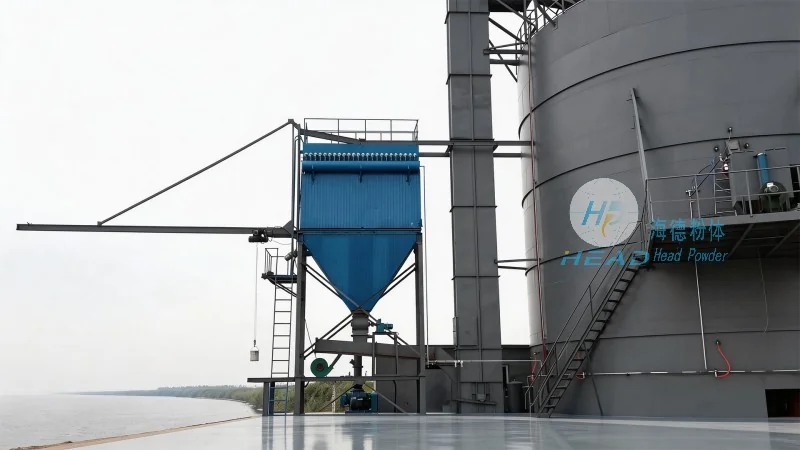
Types of Pneumatic Conveying Systems
There are several categories of pneumatic conveying systems, each suited to different operational requirements and material characteristics. The primary types include pressure and vacuum systems, each with distinct advantages and applications.
Pressure systems operate by pushing material through a pipeline using positive pressure, typically generated by a blower or compressor. These systems are ideal for long-distance transport and can handle a wide range of materials, including fine powders and granules. The pressure system is particularly effective when the material needs to be transported over significant distances or when the system is integrated with other processing equipment.
Vacuum systems, on the other hand, use negative pressure to draw material into the pipeline. This approach is suitable for shorter distances and is often used in applications where the material is to be collected from multiple points or where the system needs to operate in a closed environment. Vacuum systems are commonly employed in grain handling for tasks such as loading and unloading from silos or trucks, as they provide gentle handling and minimal material degradation.
Another classification is based on the flow rate and material velocity. High-velocity systems operate at higher speeds, which can reduce the risk of material buildup and improve throughput. These systems are often used for transporting fine powders where particle separation is critical. Conversely, low-velocity systems are designed for materials that are prone to abrasion or where gentle handling is essential, such as whole grains or mixed products.
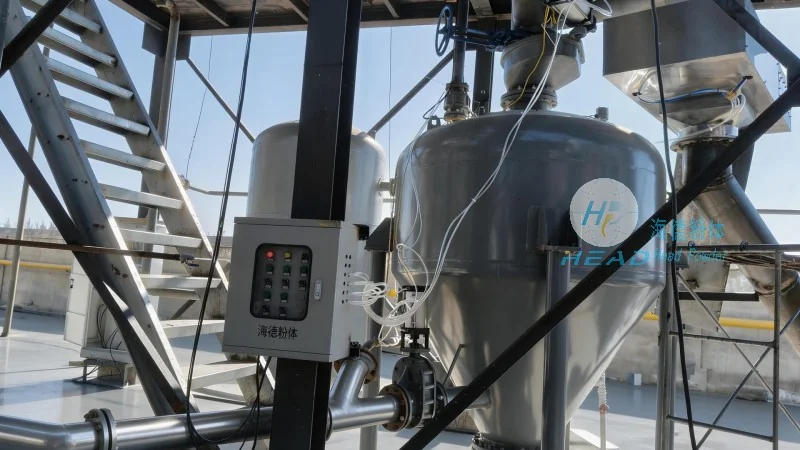
Practical Applications in Grain Handling
The practical applications of pneumatic conveying systems in grain handling are diverse and crucial for modern agricultural operations. These systems are integral to the entire grain handling process, from storage and processing to transportation and distribution.
One of the key applications is the loading and unloading of grain from storage silos and trucks. Pneumatic conveying systems allow for efficient transfer of grain from silos to processing facilities or from trucks to storage, minimizing manual labor and reducing the risk of contamination. The gentle handling provided by vacuum systems ensures that the grain quality is maintained, which is vital for both human consumption and animal feed.
During the processing stage, pneumatic conveying systems are used to transport raw materials to processing equipment such as mills, cleaners, and sorters. This continuous flow of material ensures that processing operations run smoothly and efficiently, preventing bottlenecks that could lead to production delays. The ability to handle different types of grains, including wheat, corn, and soybeans, makes these systems versatile and adaptable to various processing needs.
In addition to processing, pneumatic conveying systems are used for transporting finished products to packaging lines or distribution centers. This ensures that the grain is moved from the processing facility to the market in a timely and efficient manner. The systems can be integrated with packaging equipment to streamline the entire production line, reducing the time and labor required for packaging operations.
Another practical application is the cleaning and maintenance of grain handling equipment. Pneumatic conveying systems can be used to remove dust and debris from silos and processing equipment, ensuring that the equipment remains in optimal condition. This not only improves the efficiency of the system but also extends the lifespan of the equipment, reducing maintenance costs over time.
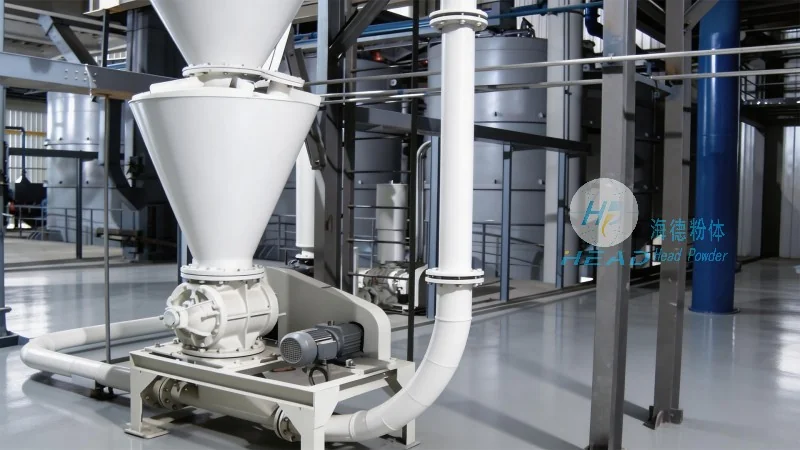
Benefits of Pneumatic Conveying Systems
Implementing pneumatic conveying systems in grain handling offers numerous benefits that contribute to improved operational performance and cost savings. The primary advantage is the enhanced efficiency in material transport, as these systems can move large volumes of grain quickly and with minimal labor. This leads to increased productivity and reduced downtime in grain handling operations.
Another significant benefit is the improved safety and hygiene. Pneumatic systems operate in a closed environment, which prevents dust and grain particles from contaminating the surrounding air and equipment. This is particularly important in food processing facilities where maintaining high standards of hygiene is essential. The closed system also reduces the risk of dust explosions, which can be a major hazard in grain handling operations.
Cost-effectiveness is another key advantage. While the initial investment in a pneumatic conveying system may be higher than traditional methods, the long-term savings in labor, maintenance, and material loss make it a cost-effective solution. The systems require less manual labor for loading and unloading, and the gentle handling reduces the risk of material breakage or loss, which can result in significant cost savings over time.
Flexibility is also a major benefit, as pneumatic conveying systems can be easily adapted to changing operational needs. The systems can be modified to handle different types of grains or to adjust the flow rate based on production requirements. This adaptability makes them suitable for both small-scale and large-scale grain handling operations, providing a versatile solution for various industry needs.