

Types and Practical Applications of Pneumatic Conveying Systems for Coking Coal and Limestone Powder
HeadPowder, a leading engineering firm based in Shandong, China, specializes in the design and implementation of advanced pneumatic conveying systems tailored for the transport of coking coal and limestone powder. These systems are critical in modern industrial processes, offering efficient, dust-free, and reliable solutions for material handling challenges.
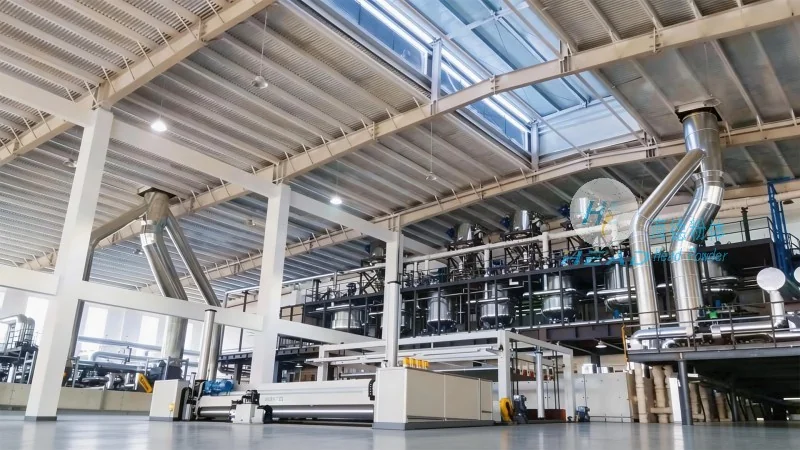
Understanding Pneumatic Conveying Systems for Coking Coal and Limestone Powder
Pneumatic conveying systems utilize air or gas to transport bulk materials like coking coal and limestone powder through a pipeline network. The primary advantage of these systems is their ability to handle fine powders and granular materials without the need for mechanical components like belts or buckets, which can be prone to wear and maintenance issues. The two main types of pneumatic conveying systems used in such applications are dense-phase and dilute-phase systems, each with distinct characteristics and applications.
Dense-Phase Pneumatic Conveying Systems
Dense-phase systems, also known as low-velocity or high-pressure systems, operate by moving material in a compacted state. This method is ideal for transporting abrasive or sensitive materials, as it minimizes particle impact and reduces the risk of material degradation. In dense-phase conveying, the material is typically conveyed at a low velocity (often 5-15 feet per second) and high pressure (up to 100 psi), ensuring a smooth and controlled flow. The system uses a positive displacement blower or compressor to generate the necessary pressure, and the material is often mixed with a small amount of air to maintain a dense, plug-like flow. This approach is particularly effective for transporting coking coal and limestone powder over long distances or through complex piping networks, as it reduces the likelihood of blockages and ensures consistent material delivery.
Dilute-Phase Pneumatic Conveying Systems
Dilute-phase systems, or high-velocity systems, operate at higher air velocities (typically 30-100 feet per second) and lower pressure (usually below 15 psi). These systems are more suitable for transporting lighter, less abrasive materials or for short-distance transport where the material can be conveyed in a suspended state. The material is carried by the air stream as a dilute suspension, and the system relies on the kinetic energy of the air to move the particles. Dilute-phase conveying is often used for applications where the material needs to be transported quickly or where the system is integrated with other processes that require a high airflow rate. For coking coal and limestone powder, dilute-phase systems may be employed in scenarios where the material is less abrasive and the transport distance is relatively short, such as in on-site storage or transfer operations.
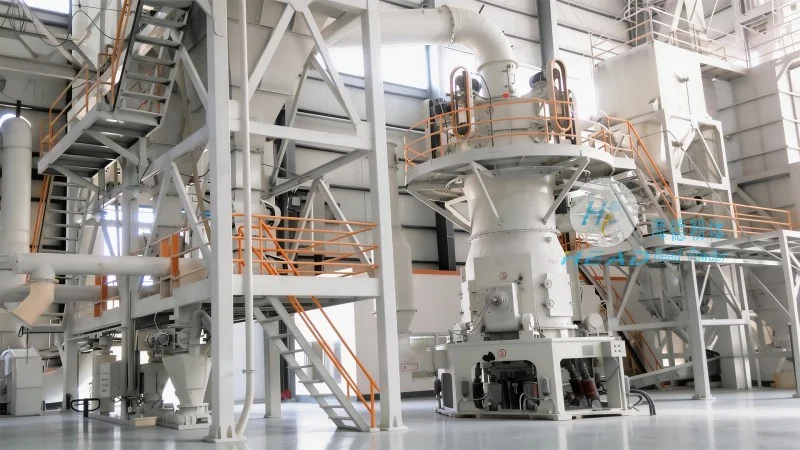
Practical Applications of Pneumatic Conveying Systems
The practical applications of pneumatic conveying systems for coking coal and limestone powder are diverse and essential in various industrial sectors. In the steel industry, for example, coking coal is a critical raw material used in the production of coke, which is then used in blast furnaces to smelt iron. Pneumatic conveying systems enable the efficient transport of coking coal from storage silos to the coke ovens, ensuring a continuous and reliable supply of raw material. Similarly, limestone powder is often used as a flux in steelmaking, and pneumatic conveying systems facilitate its transport from storage facilities to the blast furnace or other processing units.
In the cement industry, limestone is a primary raw material used to produce clinker, which is then ground into cement. Pneumatic conveying systems are used to transport limestone powder from quarries or storage silos to the cement production plants, where it is mixed with other raw materials. The systems help maintain a consistent flow of limestone, ensuring the quality and efficiency of the cement production process. Additionally, in power generation facilities, limestone is used for flue gas desulfurization (FGD) to reduce sulfur dioxide emissions. Pneumatic conveying systems are employed to transport limestone powder to the FGD reactors, where it reacts with the flue gas to remove sulfur compounds.
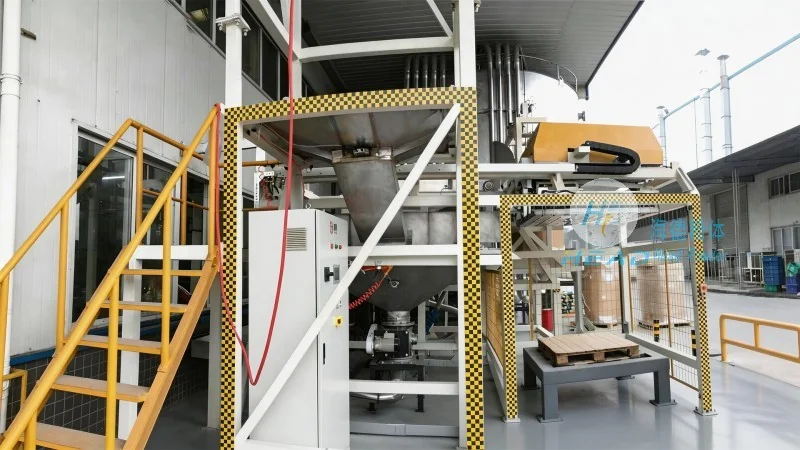
Key Benefits and Considerations for Pneumatic Conveying Systems
Implementing pneumatic conveying systems for coking coal and limestone powder offers several key benefits. Firstly, these systems provide a dust-free and enclosed transport environment, which improves workplace safety and reduces the risk of material contamination. Unlike mechanical systems, pneumatic conveying does not generate dust or require frequent cleaning of equipment, making it more hygienic and environmentally friendly. Secondly, the systems are highly efficient in terms of energy consumption and material handling. By using air as the conveying medium, the systems can transport large volumes of material over long distances with minimal energy input, resulting in cost savings for the end-user.
However, there are also considerations to keep in mind when selecting and implementing pneumatic conveying systems. The choice between dense-phase and dilute-phase systems depends on the specific characteristics of the material, such as particle size, density, and abrasiveness. For example, dense-phase systems are preferred for abrasive materials like coking coal, as they minimize wear on the pipeline and components. Dilute-phase systems, on the other hand, may be more suitable for lighter materials or when the transport distance is short. Additionally, the system design must consider factors such as the required transport capacity, the distance to be covered, and the layout of the industrial facility. Proper system sizing and layout are crucial to ensure optimal performance and avoid issues like blockages or excessive energy consumption.
Conclusion
As a leading provider of engineering solutions, Shandong HeadPowder Engineering Co., Ltd. specializes in designing and implementing advanced pneumatic conveying systems for the transport of coking coal and limestone powder. These systems offer efficient, reliable, and dust-free solutions for various industrial applications, contributing to improved productivity and operational safety. By leveraging the expertise of HeadPowder, industrial facilities can enhance their material handling processes and meet the demands of modern manufacturing and processing industries.